
Workplace Electrocution Injury: What Florida Workers Should Do
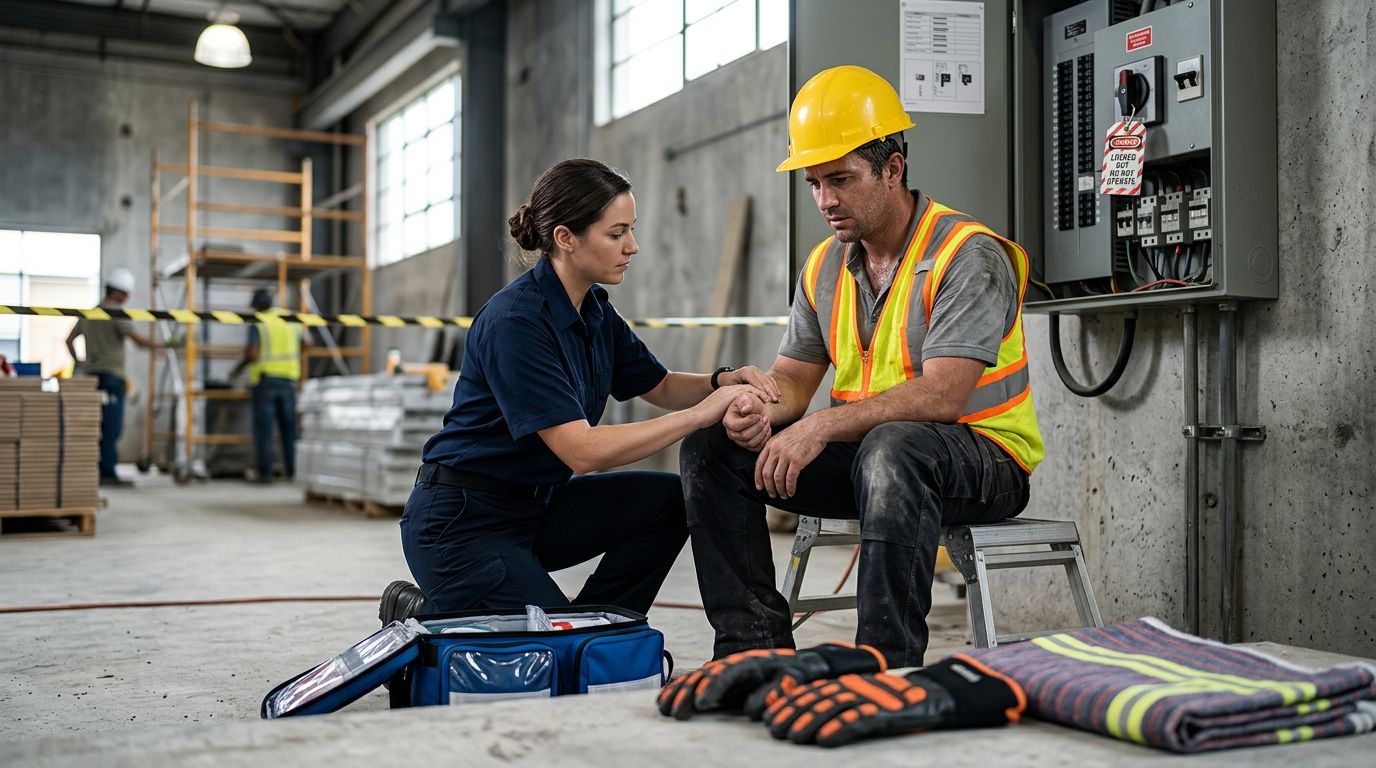
An electrical shock can damage the heart, brain, nerves, muscles, and skin, even when the visible injury looks small. A workplace electrocution injury may also cause a fall, broken bones, burns, hearing loss, or lasting nerve problems.
After the incident, your health comes first. You also need to report the injury, follow medical instructions, preserve evidence, and protect your workers’ compensation rights. These steps should begin as soon as the scene is safe.
What to do after a workplace electrocution injury
Electrical accidents can cause cardiac arrest, irregular heart rhythms, internal burns, muscle damage, and neurological symptoms. A person can appear alert while still needing emergency treatment.
If electricity may still be flowing, don’t touch the injured worker or the equipment. Call 911 and keep others away until a qualified person disconnects the power. CPR or an automated external defibrillator should only be used after rescuers confirm that the scene is safe.
Once emergency responders arrive, explain exactly what happened. Tell them whether you touched a wire, tool, panel, machine, vehicle, or energized surface. Report every symptom, including:
- Chest pain, a racing or irregular heartbeat, or trouble breathing.
- Burns, muscle pain, weakness, numbness, or tingling.
- Confusion, fainting, seizures, vision changes, or hearing problems.
- Pain caused by a fall after the shock.
Go to an emergency room when recommended, even if you feel better. Some effects can appear after the initial event. Follow-up care may include cardiac monitoring, burn treatment, neurological testing, orthopedic care, or mental health treatment after a frightening accident.
OSHA’s electrical safety standards and guidance address hazards involving electric shock, electrocution, fires, and explosions. They also provide useful background when you want to understand how workplace electrical risks should be controlled.
Don’t return to a dangerous work area or resume physical duties until a medical provider clears you. If your employer pressures you to return before you can safely work, document that request.
Report the accident to your Florida employer
Tell your supervisor, manager, or human resources department as soon as possible. Give notice in writing by email, text message, or an incident form, and keep a copy. Include the date, time, location, equipment involved, body parts affected, symptoms, and names of witnesses.
Florida generally requires an injured worker to notify the employer within 30 days after discovering the injury. Waiting creates avoidable problems, especially when an insurer later questions when the injury occurred. Report the accident the same day whenever possible.
Your notice should describe facts rather than guesses. For example, explain that you contacted an energized panel and fell backward. Don’t diagnose yourself or minimize the incident because you have not yet received medical test results.
Ask how to obtain workers’ compensation medical care and request the claim or insurance information. Emergency treatment comes first. Afterward, the workers’ compensation carrier usually directs you to an authorized physician. Keep every discharge paper, work restriction, prescription, referral, and appointment notice.
For a broader Florida checklist, review these steps after a workplace injury. The same reporting and documentation rules often matter in electrical accidents, falls, crush injuries, and other job-related injuries.
If symptoms appear days later, report them immediately. State when you first noticed the problem and connect it to the electrical accident. A delayed report doesn’t automatically defeat a claim, but silence gives the insurer an argument.
Preserve evidence before it disappears
Electrical accident evidence can change quickly. Equipment may be repaired, discarded, or returned to service. A work area may be cleaned before anyone photographs the wiring, warning signs, circuit breakers, or protective equipment.
Write down what you remember while the event is fresh. Include what you were doing, who assigned the task, which equipment you used, and whether anyone had warned about a hazard. Record whether the power was shut off, whether lockout or tagout procedures were followed, and whether protective gear was available.
Keep copies of:
- Medical records, bills, test results, prescriptions, and work restrictions.
- Pay stubs, schedules, time sheets, and records of missed shifts.
- Accident reports, safety complaints, text messages, and emails.
- Names and contact information for coworkers who saw the accident or its aftermath.
- Photographs of the work area, equipment, burns, damaged clothing, and visible injuries.
Don’t wash, repair, throw away, or give up clothing, tools, or safety equipment involved in the accident unless necessary for treatment or safety. Store those items in a clean, secure place and tell your attorney or insurance representative that you have them.
For construction workers, OSHA’s electrical incident investigation guidance describes common conditions involved in fatal electrical incidents, including contact with energized parts and unsafe work practices. That information doesn’t replace an investigation, but it shows why the work area and equipment can matter.
Keep a daily record of pain, numbness, sleep problems, medication side effects, and tasks you cannot perform. Note whether you can lift, drive, stand, climb, use your hands, or complete household activities. Consistent records help your medical provider understand your progress and help establish how the injury affects your life.
Know what Florida workers’ compensation may cover
Florida workers’ compensation is generally a no-fault system. You usually don’t have to prove that your employer acted carelessly to receive benefits for a job-related injury. You do need to show that the injury arose out of and occurred in the course of employment.
Depending on the injury, benefits may include authorized medical treatment, temporary wage-loss benefits, and compensation for an impairment or permanent disability. Wage benefits often replace only part of lost earnings, so a serious injury can create financial pressure even while treatment continues.
An insurer may dispute whether the incident occurred at work, whether your medical condition came from the shock, whether you gave timely notice, or whether you can perform available light-duty work. A preexisting condition doesn’t automatically bar recovery. However, the electrical accident must be a contributing cause of the condition or need for treatment under the applicable legal standard.
A workplace electrocution injury can also support a separate claim against a negligent third party. Potential third parties may include an equipment manufacturer, subcontractor, property owner, utility company, or another business that controlled part of the worksite. A third-party case may provide damages that workers’ compensation doesn’t cover, such as pain and suffering.
These claims have different deadlines and proof requirements. Workers’ compensation also may have reimbursement rights against money recovered from a third-party claim. Don’t sign a settlement or release before someone reviews how it affects your medical and wage benefits.
Florida generally requires prompt notice to the employer, and workers’ compensation filing deadlines can apply even when the insurer has paid some benefits. Third-party deadlines differ. Because the correct deadline depends on the injury date, payments, medical history, and claim status, get legal advice before assuming you have more time.
When to contact a Florida workers’ compensation lawyer
You should consider speaking with a lawyer soon after a serious electrical accident, particularly when the injury may cause permanent limitations. Legal guidance is also useful when:
- The employer says the accident didn’t happen at work.
- The insurance carrier denies treatment, delays benefits, or sends you to an unsuitable provider.
- You cannot return to your former job or your employer offers disputed light-duty work.
- The accident involved a contractor, defective equipment, unsafe property, or another company.
- You receive pressure to sign a statement, settlement, resignation, or release.
- You face retaliation after reporting the accident or requesting benefits.
Florida law prohibits an employer from retaliating against an employee for pursuing workers’ compensation benefits. Save threatening messages, write down conversations, and identify witnesses if your hours, duties, or employment change after the report.
A Florida workers’ compensation attorney can review the accident, communicate with the adjuster, gather medical records, assess work restrictions, and look for a possible third-party claim. You can learn more about consulting a Florida workers’ compensation lawyer when treatment is denied, benefits stop, or the injury affects your ability to earn a living.
Bring your accident report, medical records, employer communications, wage information, and witness details to the consultation. Be honest about prior injuries and medical conditions. A complete history helps your lawyer address disputes instead of discovering them later through the insurance company.
Protect your health and your claim
A workplace electrocution injury requires more than a quick first-aid response. Get emergency care when needed, report the accident promptly, follow authorized treatment, and preserve the equipment and records that may explain what happened.
Workers’ compensation can provide medical care and partial wage replacement, while a separate third-party claim may exist in some cases. Acting early gives you a better chance to identify every source of compensation before evidence disappears or deadlines expire.