
VA Radiculopathy Ratings: A 2026 Guide
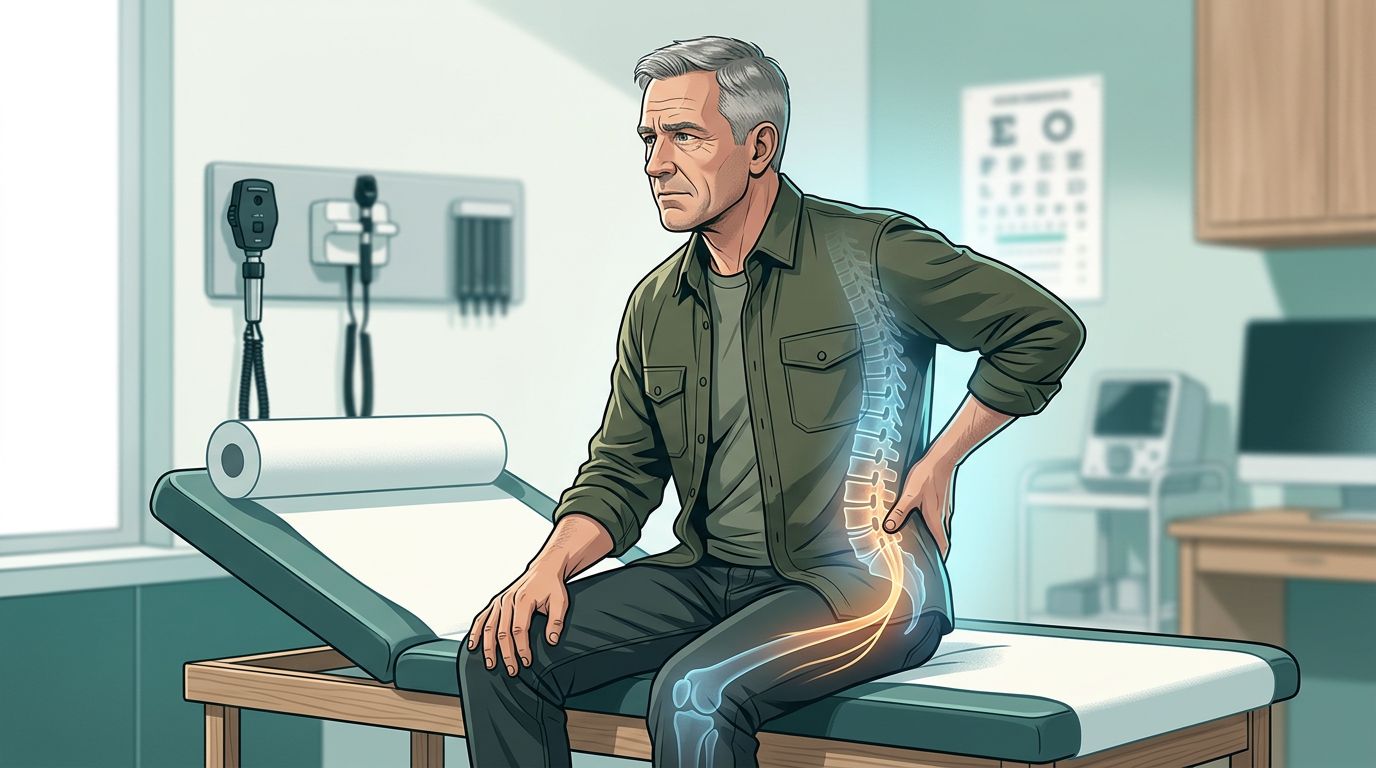
Dealing with stubborn back pain that travels from your back into your leg or from your neck into your hand can involve more than a spinal condition. In 2026, VA radiculopathy ratings depend on the affected nerve and the degree of lost function, rather than pain alone.
The VA evaluates these claims by looking at nerve compression, weakness, numbness, reflexes, muscle changes, gait problems, and other measurable effects. When pursuing veteran benefits, a claimant may also receive a separate rating for radiculopathy in addition to a rating for the underlying spine condition. The correct VA radiculopathy ratings often depend on details buried in medical records and examination reports.
Key Takeaways
- The VA usually rates radiculopathy under the peripheral nerve schedule, not as part of the spine’s range-of-motion rating.
- Sciatic nerve radiculopathy commonly receives a 10%, 20%, 40%, 60%, or 80% rating, depending on severity, and shapes overall VA radiculopathy ratings.
- Symptoms limited to pain, tingling, or numbness are often rated as mild or moderate unless the record shows greater impairment.
- Reflex loss, muscle weakness, atrophy, foot drop, and impaired walking can support a higher evaluation.
- Radiculopathy may qualify as secondary conditions caused by a service-connected neck or back disability, establishing service connection after the initial injury.
What Radiculopathy Means in a VA Disability Claim
Radiculopathy occurs when a spinal nerve root becomes irritated or compressed. Common causes like herniated discs, spinal stenosis, and degenerative disc disease can place pressure on a nerve and lead to significant nerve damage.
The symptoms usually follow the nerve path. Lumbar radiculopathy may cause back pain, numbness, or weakness through the buttock, thigh, calf, ankle, or foot. Cervical radiculopathy may affect the shoulder, arm, wrist, hand, or fingers.
The location of the pain matters, but the VA does not assign a percentage based only on where pain travels. The agency evaluates the affected nerve and the degree of impaired function.
A lumbar spine condition and lumbar radiculopathy are related, but they are not automatically the same disability for rating purposes. The spine may be evaluated under rules that focus on range of motion, ankylosis, or other orthopedic findings. The nerve condition is generally evaluated under the peripheral nerve criteria.
For a closer look at that distinction, review this guide to how the VA rates nerve conditions. The medical diagnosis, affected body part, and objective findings must match the rating being requested.
How VA Radiculopathy Ratings Are Assigned in 2026
As of July 2026, the VA continues to determine VA radiculopathy ratings through the peripheral nerve provisions of its disability schedule. The current 38 CFR Part 4 rating schedule provides the framework for evaluating service-connected disabilities using specific diagnostic codes.
The VA typically identifies the affected nerve and then checks the rating criteria to determine whether the impairment involves incomplete or complete paralysis. “Paralysis” in this context doesn’t always mean total loss of movement. Incomplete paralysis can include varying degrees of impaired nerve function.
The peripheral nerve rating provisions direct the VA to consider the overall level of impairment. The assigned disability percentage may depend on:
- Loss of strength or motor control
- Reduced or absent reflexes
- Sensory loss, including numbness or reduced sensation
- Muscle atrophy
- Abnormal gait or difficulty walking
- Foot drop or loss of active movement
- Persistent radiating pain
- Functional limits involving standing, sitting, lifting, reaching, or grasping
The VA also considers whether symptoms are wholly sensory. Under the rating schedule, symptoms such as pain, tingling, and numbness without documented weakness or other significant medical evidence are commonly treated as mild, or at most moderate, incomplete paralysis.
That rule doesn’t mean sensory symptoms are unimportant. It means the medical record must show why the condition causes more than sensory disturbance if a higher rating is requested.
The diagnostic codes also matter. Different codes apply to different nerves. Lumbar radiculopathy and sciatic conditions often fall under Diagnostic Code 8520, while cervical radiculopathy may involve upper radicular group or other upper-extremity nerve codes.
Lower-Extremity VA Radiculopathy Ratings Under DC 8520
The sciatic nerve is one of the most common nerves involved in lumbar radiculopathy. Diagnostic Code 8520 provides several rating levels for incomplete and complete paralysis of that nerve.
| Level of impairment | Common rating |
|---|---|
| Mild incomplete paralysis | 10% |
| Moderate incomplete paralysis | 20% |
| Moderately severe incomplete paralysis | 40% |
| Severe incomplete paralysis with marked muscular atrophy | 60% |
| Complete paralysis | 80% |
A 10% rating may apply when symptoms are present but cause limited functional impairment. For example, the record may show intermittent radiating back pain, tingling, or reduced sensation without significant strength loss.
A 20% rating generally requires more than mild symptoms. Consistent sensory loss, decreased reflexes, or measurable muscle weakness may support a moderate incomplete paralysis disability percentage, depending on the full record.
The 40% level is more demanding. The evidence should show substantial motor or functional impairment, not simply a higher pain score. Difficulty pushing off with the foot, repeated leg weakness, an abnormal gait, or significant loss of strength may matter when applying these rating criteria.
A 60% evaluation requires severe incomplete paralysis with marked muscular atrophy. This is a specific standard. Severe pain alone does not meet it.
Complete sciatic nerve paralysis is rated at 80%. The schedule describes findings such as a dangling and dropped foot, no active movement of muscles below the knee, and weakened or lost knee flexion.
The percentages above apply to the sciatic nerve schedule. Other lower-extremity nerves may have different criteria. A veteran’s medical records must identify the nerve involved rather than treating every leg symptom as sciatic nerve involvement related to lumbar radiculopathy, ensuring the correct disability percentage is assigned.
Cervical Radiculopathy and Upper-Extremity Ratings
Cervical radiculopathy affects the upper body, but the VA doesn’t use the same rating table for every arm or hand condition. The applicable diagnostic code depends on the nerve or nerve group involved.
Common evaluations for cervical radiculopathy may involve the upper radicular group, middle radicular group, lower radicular group, radial nerve, median nerve, or ulnar nerve. For more complete coverage, veterans may occasionally deal with thoracic radiculopathy if mid-back nerve involvement is also present. The correct code depends on the clinical findings and the distribution of symptoms.
Upper-extremity ratings also distinguish between the major and minor extremity. The major extremity is usually the dominant arm. A dominant-hand condition may therefore receive a different evaluation than the same degree of impairment in the nondominant arm.
The medical record should describe more than neck pain that radiates into an arm. It should address grip strength, lifting ability, dexterity, finger movement, sensation, reflexes, and any nerve damage resulting in muscle weakness or loss of use.
For veterans with both neck and nerve symptoms, the VA cervical spine ratings guide provides related information about evaluating the underlying spinal condition. A cervical spine percentage and an upper-extremity nerve percentage can be separate when they measure different manifestations.
The VA must avoid compensating the same symptom twice. However, a restricted range of motion in the spine and a distinct neurological impairment may support separate evaluations when the evidence separates them and confirms cervical radiculopathy.
Evidence That Can Support a Higher Rating
The strongest radiculopathy claims connect symptoms to objective findings and daily limitations. Strong medical evidence is essential because a diagnosis by itself may establish the condition, but it may not show the correct percentage for your veteran benefits.
Medical records can include strength testing, sensory testing, reflex testing, range-of-motion findings, gait observations, and special tests. Electromyography and nerve conduction studies may also help identify nerve compression, although the VA evaluates the entire record rather than relying on one test alone.
Your records should describe how symptoms affect ordinary activities. For example, a veteran may have difficulty climbing stairs because the leg gives way, or may drop objects because of reduced grip strength and muscle weakness. Those details help connect the medical evidence to actual functional loss.
A C&P exam may address:
- The affected nerve or nerve group
- The location and frequency of radiating pain
- Numbness, tingling, or reduced sensation
- Muscle strength in the affected limb
- Reflex changes
- Muscle atrophy
- Gait and balance
- Use of assistive devices
- Flare-ups and their effects
- Occupational limitations
A veteran should describe symptoms accurately during the C&P exam. Avoid minimizing problems because the symptoms vary from day to day. At the same time, don’t exaggerate. The goal is a clear account that matches treatment records and observed findings.
Private medical evidence can fill gaps in a C&P exam. A neurologist, orthopedist, physical medicine physician, or other qualified provider may document findings that the VA examination missed.
A private Disability Benefits Questionnaire may also help when completed with adequate medical support. Learn more about private medical evidence for radiculopathy and the limits of relying on a form without a complete evaluation.
The final rating decision may be challenged when an examination records severe muscle weakness in one section but describes the condition as mild without explaining the difference. Conflicting findings should be addressed rather than ignored.
Separate Ratings, Bilateral Symptoms, and VA Math
Radiculopathy can affect one side or both sides of the body. The VA generally evaluates each affected extremity separately when the evidence supports separate nerve impairments.
For example, a veteran may have right leg sciatic nerve involvement and left leg symptoms, where each limb receives a specific disability percentage based on the severity of the nerve damage. The VA may then apply the bilateral factor before combining the ratings with other service-connected disabilities.
The bilateral factor recognizes that disabilities affecting paired extremities can create a greater overall limitation than disabilities affecting only one side. It does not mean the two percentages are simply added together.
VA combined ratings also do not work through ordinary addition. A 20% disability and a 10% disability do not automatically produce a 30% combined value before rounding. The VA uses its combined ratings method, which accounts for the remaining efficiency of the body.
A separate evaluation within VA radiculopathy ratings may increase total compensation, but it may not produce the exact dollar increase a veteran expects. In severe cases involving complete paralysis or loss of use, these ratings can impact total disability calculations and potentially qualify the claimant for special monthly compensation. The final payment depends on the combined evaluation, dependents, and other applicable factors.
The VA also must select the correct nerve to protect veteran benefits. Symptoms in the same leg may arise from different nerves, and the rating schedule differs by nerve. A decision that assigns the wrong diagnostic code may produce an inaccurate disability percentage even when service connection is granted.
Establishing Radiculopathy as Service-Connected
Many veterans claim radiculopathy as a secondary condition to a service-connected lumbar or cervical spine disability. In that situation, establishing a proper service connection usually requires evidence of three points:
- A current radiculopathy diagnosis or identifiable nerve impairment
- An already service-connected primary condition
- Medical evidence connecting the radiculopathy to that condition
The connection must meet the VA’s at least as likely as not standard. A medical nexus letter should explain why the spine condition caused or aggravated the nerve impairment. Common underlying issues like herniated discs or spinal stenosis frequently lead to these secondary conditions.
A medical nexus letter that only says the conditions are related may not provide enough reasoning. Stronger opinions discuss imaging, symptom distribution, examination findings, treatment history, and other causes considered by the provider.
Radiculopathy can also be directly linked through a primary service connection. A veteran may rely on an in-service injury, disease, or event, together with current medical evidence and a medical opinion.
Aggravation is another possible theory. A service-connected spine condition may worsen a preexisting nerve disorder, resulting in lumbar radiculopathy or cervical radiculopathy. The evidence must address the baseline level of disability and the degree of worsening tied to the service-connected condition.
The claim should identify the affected side and nerve whenever the evidence permits. Back pain with leg pain is less precise than right lower-extremity radiculopathy involving the sciatic nerve, provided the medical evidence supports that description.
What to Do After a Low Rating or Denial
A low evaluation doesn’t always mean the evidence is insufficient. Sometimes the decision applies the wrong diagnostic codes, overlooks favorable findings, or treats significant weakness as a sensory complaint.
Start by reading the rating decision and the examination report together. Look for statements about strength, reflexes, sensation, muscle atrophy, gait, and functional limitations. Compare those findings with the level assigned.
If the VA ignored relevant evidence or made a factual or legal error, a Higher Level Review may be appropriate. This option generally relies on the existing record, so it may not correct a problem that requires new medical evidence.
A Supplemental Claim may be better when you have new and relevant information, such as a detailed private medical opinion, updated neurological testing, or treatment records that clarify severity.
A Board appeal may be appropriate when the dispute involves a complex interpretation of the evidence or when other review options don’t address the problem. Each review lane has requirements and deadlines. Follow the instructions in the rating decision and preserve the applicable filing period.
When challenging a percentage, identify the exact finding that supports the requested level. A general statement that symptoms are worse is less persuasive than evidence showing reduced strength, absent reflexes, muscle wasting, or a documented effect on walking and hand use. Navigating a claim appeal successfully often depends on how clearly these medical facts tie back to your established service connection and overall veteran benefits.
A Florida veteran can also seek help from a VA accredited attorney or representative before selecting a claim appeal lane. Early review may prevent a case from moving forward under a theory that doesn’t fit the medical evidence.
Common Problems in Radiculopathy Claims
Several issues appear often in claims involving VA radiculopathy ratings.
The claim focuses only on pain. Back pain and other symptoms are important, but the rating schedule also considers muscle weakness, reflexes, sensation, atrophy, and function. The record should explain what the back pain prevents you from doing.
The examination doesn’t identify the nerve. A diagnosis of sciatica may not answer every rating question because accurate diagnostic codes require proper nerve identification. The evidence should connect symptoms to a specific nerve or nerve group, especially when evaluating cervical radiculopathy and thoracic radiculopathy.
The veteran reports symptoms but treatment notes don’t. Consistent reports across primary care, specialty visits, physical therapy, and examinations make the service connection history easier to evaluate.
The decision rates the spine but omits the neurological condition. A back or neck rating doesn’t automatically resolve a separate radiculopathy claim. Review whether the decision addressed each affected extremity.
Bilateral symptoms are treated as one condition. If both legs or both arms are affected, the evidence should identify the severity on each side. One side may be worse than the other.
A private DBQ lacks supporting records. A form can help, but the provider should have a reliable history and explain the findings. Unsupported conclusions may receive limited weight.
Frequently Asked Questions
What is the difference between a spine rating and a VA radiculopathy rating?
A spine rating typically evaluates range of motion and orthopedic findings, while a radiculopathy rating evaluates nerve damage under the peripheral nerve schedule. The VA can assign separate ratings for both conditions if the evidence shows distinct neurological impairment alongside the spinal issue.
How does the VA rate sciatic nerve radiculopathy?
The VA rates sciatic nerve involvement using specific percentages ranging from 10% to 80% based on the severity of incomplete or complete paralysis. Mild sensory symptoms usually receive a 10% or 20% rating, whereas severe muscle weakness, atrophy, and foot drop can qualify for higher evaluations.
Can I claim radiculopathy as a secondary condition to my back pain?
Yes, many veterans successfully establish service connection for radiculopathy on a secondary basis to an already service-connected lumbar or cervical spine disability. To do this, you generally need a current diagnosis and a medical nexus letter explaining how your primary spine condition caused or aggravated the nerve impairment.
Conclusion
The central issue in VA radiculopathy ratings is functional nerve impairment. Radiating pain may establish an important symptom, but weakness, reflex changes, sensory loss, atrophy, gait problems, and loss of use often determine whether the rating remains mild or increases.
When navigating veteran benefits, understanding how service connection interacts with specific diagnostic codes and rating criteria is essential for securing fair compensation. The VA should evaluate the affected nerve separately from the spine when the evidence shows a distinct neurological disability. A careful review of these VA radiculopathy ratings, examination findings, medical nexus, and appeal deadlines can reveal whether the assigned percentage reflects the full condition.
For Florida veterans, qualified legal review can help identify missing evidence and address an incorrect rating before the next claim decision becomes final.