
Florida Carbon Monoxide Claims: Detector Records Matter
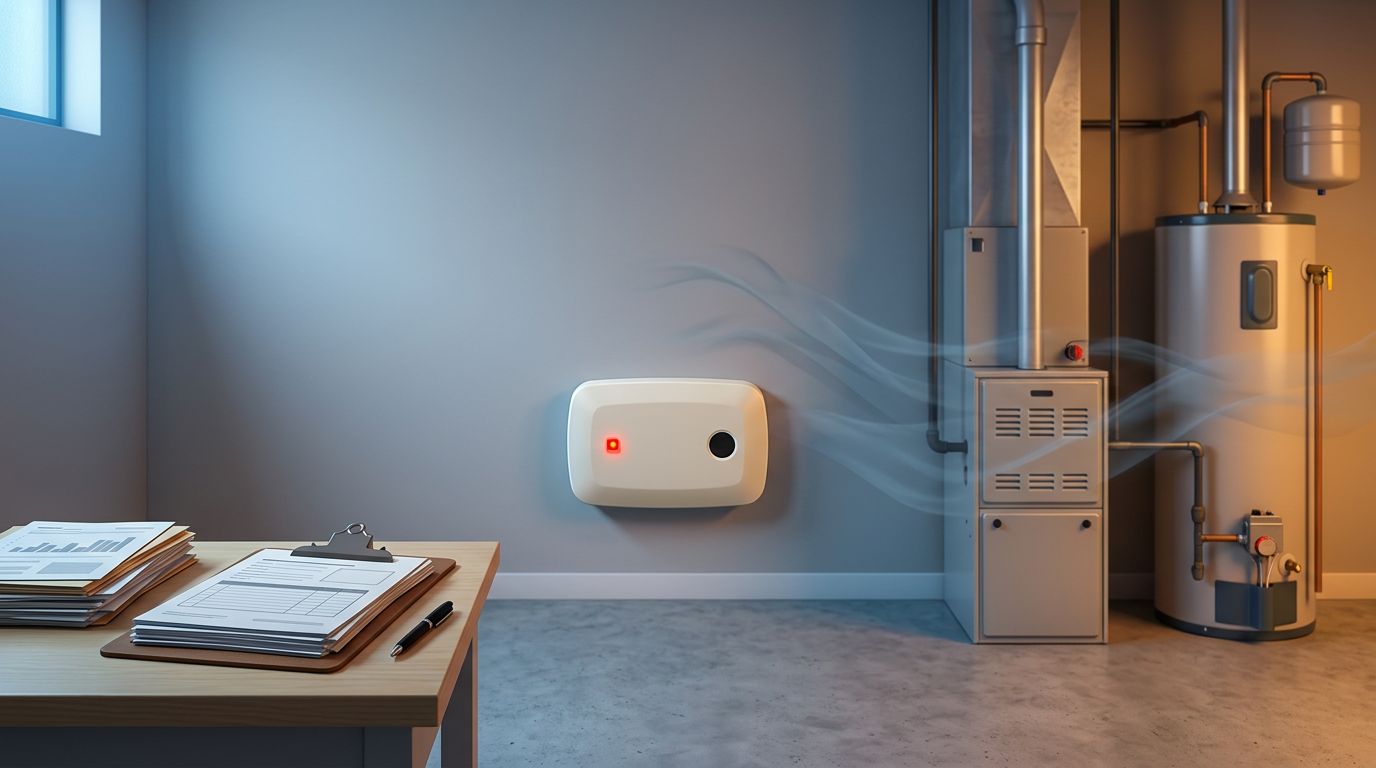
A carbon monoxide leak can leave an apartment tenant with serious injuries before anyone detects the danger. Florida carbon monoxide claims often depend on detector records, maintenance history, medical evidence, and proof that the property owner should have prevented the exposure.
Carbon monoxide has no smell or color. Symptoms such as headache, dizziness, nausea, confusion, weakness, and fatigue may look like the flu. By the time a tenant realizes something is wrong, the source may have affected several people in the building.
If you were exposed in a Florida apartment, your first steps should protect your health and preserve evidence. The records maintained by a landlord, property manager, maintenance company, or fire alarm contractor may later help establish what happened.
How Florida carbon monoxide claims begin
The first question is usually the source of the carbon monoxide. Common sources in apartment buildings include gas furnaces, water heaters, fireplaces, boilers, attached garages, generators, and other fuel-burning equipment. A blocked vent, cracked heat exchanger, improper installation, or neglected repair can allow the gas to enter a living space.
A landlord or property manager may face liability when it knew, or should have known, about a dangerous condition and failed to repair it, warn residents, or maintain required safety equipment. Prior tenant complaints, work orders, inspection reports, and repair invoices can show that the property had notice before the injury occurred.
The absence of an operational detector can strengthen a claim, but it doesn’t automatically prove liability. The injured tenant still must connect the property condition to the exposure and show that the exposure caused compensable harm. Strong Florida carbon monoxide claims usually combine several forms of evidence instead of relying on the missing alarm alone.
If an alarm sounds, leave the apartment immediately and call 911 from outside. Don’t return until emergency personnel or the fire department says it’s safe. Seek medical attention even if symptoms improve in fresh air. Carbon monoxide can leave the bloodstream after exposure ends, but the injury may continue.
Avard Law’s related discussion of Florida carbon monoxide poisoning claims covers similar evidence issues involving detectors, prior complaints, emergency care, and property conditions.
What Florida law requires in apartment buildings
Florida’s carbon monoxide alarm statute is narrower than many tenants assume. Under Florida Statutes section 553.885, the requirement generally applies to new construction and additions with a building permit issued on or after July 1, 2008.
The building must have a fossil-fuel-burning heater or appliance, a fireplace, an attached garage, or another feature that can emit carbon monoxide. When the statute applies, an approved operational alarm must be installed within 10 feet of each room used for sleeping purposes, or in other locations required by the Florida Building Code.
The law allows hard-wired or battery-powered alarms, including combination smoke and carbon monoxide alarms. New construction may also have power and battery-backup requirements under the applicable building code. The exact rules can depend on the building’s construction date, permit history, fuel sources, and later additions.
Florida law doesn’t automatically require the same detector setup in every older apartment building. The property’s age, construction records, and combustion equipment matter.
An existing apartment building undergoing ordinary repairs or alterations isn’t automatically covered by section 553.885 unless the work qualifies as an addition or another legal requirement applies. That distinction can become important when a landlord argues that no detector was required.
State requirements vary. The National Conference of State Legislatures’ detector statute summary provides a comparison of carbon monoxide alarm laws across the country. A state law reference from Kidde can help identify common alarm requirements, although Florida’s statute and building code control a Florida claim.
A short-term property may fall under different rules. For example, Florida’s public lodging requirements can apply to certain hotels and other lodging establishments with sleeping rooms and enclosed boiler spaces. The classification of the property should be confirmed before relying on a particular statute.
Detector records that can prove notice and neglect
Detector records can answer several important questions:
- Was a carbon monoxide alarm required when the building or addition was constructed?
- Was an alarm installed near the sleeping area?
- Did the device have power, a working battery, and an unexpired service life?
- Who tested or maintained it, and when?
- Did anyone report an alarm failure before the exposure?
- Did the landlord respond to that report?
A lawyer may request building permits, certificates of occupancy, inspection reports, fire marshal records, and Florida Building Code documentation. Those records can show whether the apartment complied with installation requirements when it opened or when a later addition was completed.
Maintenance records are equally important. Look for alarm inventories, model and serial numbers, installation dates, battery replacement logs, testing sheets, service contracts, work orders, and invoices for HVAC or gas equipment. If the building used a centralized fire detection system, the system may contain alarm, trouble, inspection, or reset records.
Some residential detectors store limited event information, but many do not preserve a complete history. A missing record doesn’t prove that an alarm never worked. It can still raise questions about the property’s inspection practices and recordkeeping.
Tenant complaints often provide the clearest evidence of notice. Emails, text messages, online maintenance requests, portal submissions, and leasing office records may show reports of gas odors, headaches, dizziness, malfunctioning alarms, heating problems, or blocked vents. A single complaint may matter, while repeated complaints can establish a stronger pattern.
Preserve your own evidence before the apartment is cleaned or repaired. Save photographs and videos of the detector, ceiling, vents, furnace, water heater, fireplace, and any visible damage. Don’t remove, reset, discard, or replace the detector yourself. If the property owner takes it, record who collected it and when.
Medical proof connects exposure to your injury
A carbon monoxide case requires medical evidence that supports both exposure and injury. Emergency department records may document symptoms, oxygen treatment, blood testing, statements about the apartment, and readings taken by firefighters or utility personnel.
Tell medical providers when and where the exposure occurred. Explain when the symptoms began and whether other occupants became ill. Those details can help doctors evaluate whether the symptoms fit carbon monoxide exposure and whether follow-up care is needed.
Carboxyhemoglobin levels can change after a person leaves the contaminated area and receives oxygen. As a result, a later normal test doesn’t necessarily answer every question about an earlier exposure. The timing of the test, treatment received, symptoms, witness accounts, and environmental readings all matter.
Some people recover quickly. Others experience lasting neurological or cognitive problems, including trouble concentrating, memory changes, headaches, balance problems, mood changes, or reduced stamina. A claim should address the actual medical condition, not merely the fact that an alarm sounded.
Keep records of ambulance bills, emergency visits, hospital treatment, prescriptions, specialist appointments, therapy, diagnostic testing, and future-care recommendations. Employment evidence also matters when an injury causes missed work, reduced hours, job restrictions, or a permanent reduction in earning capacity.
Damages may include past and future medical expenses, lost income, diminished earning capacity, pain and suffering, and other losses supported by the evidence. If a death occurred, surviving family members may have a wrongful death claim subject to different rules.
Building the claim when records are missing
Property owners may hold the most important documents, and those records can disappear during ordinary business operations. A maintenance software system may overwrite old entries. A detector may be replaced. An HVAC contractor may retain service records for only a limited period.
After receiving notice of an injury or dangerous condition, an owner should preserve relevant evidence. If records or physical equipment disappear, the issue may become part of the case. A lawyer can send a preservation demand and identify documents that should be retained.
Potentially responsible parties may include the landlord, property management company, maintenance contractor, HVAC company, gas service contractor, or equipment manufacturer. Liability depends on each party’s role, the source of the carbon monoxide, and the evidence connecting that party to the injury.
Tenants should avoid giving a recorded statement to an insurance company before understanding the claim. They should also avoid signing a release in exchange for payment of an emergency bill. Early payments may affect later claims for ongoing treatment, lost wages, or permanent injury.
Florida personal injury claims generally have a two-year filing deadline for negligence actions under current law, but exceptions and different notice rules can apply. A government-owned property, wrongful death claim, or claim involving another legal theory may require separate analysis. Delay also makes it harder to locate witnesses, obtain detector records, and inspect the source.
Steps to protect a Florida apartment injury claim
- Leave the property, call 911, and obtain medical care when carbon monoxide may be present.
- Photograph the detector and relevant equipment without tampering with anything. Save messages, maintenance requests, lease documents, and notices from the landlord.
- Ask the property owner in writing to preserve detectors, alarm logs, inspection records, work orders, video, tenant complaints, and appliance service documents.
- Speak with a Florida personal injury attorney before giving a recorded statement, signing a release, or accepting a final settlement.
A lawyer can investigate the building’s permit history, identify the likely source, collect medical records, interview witnesses, and determine whether a code violation supports the negligence claim. The investigation should begin while the evidence is still available.
Protecting your rights after apartment exposure
Florida carbon monoxide claims depend on more than whether a detector was visible on the wall. The building’s fuel-burning equipment, permit date, inspection history, prior complaints, alarm condition, emergency response, and medical records all help tell the full story.
If you were injured, preserve every document and seek legal advice promptly. Detector records may be the missing link between a dangerous apartment condition and the harm you suffered.