
Florida Falling Merchandise Claims: Stocking Records That Matter
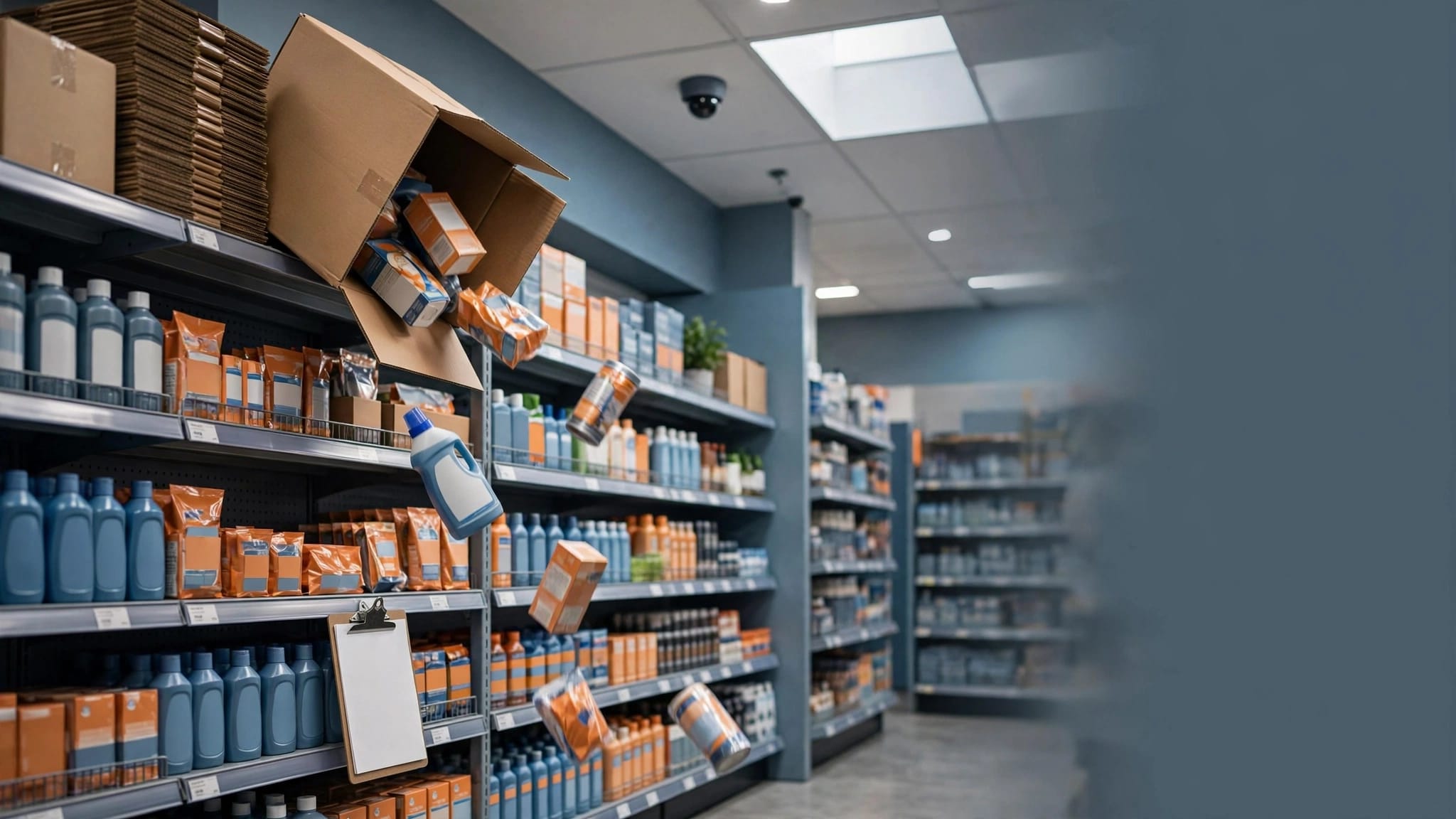
A falling box, tool, or display item can turn a routine shopping trip into an emergency. In Florida falling merchandise claims, the injury is only one part of the case. The harder question is often why the item fell and what the store knew before it happened.
Retailers control much of the proof, including surveillance video, stocking assignments, inventory data, and safety procedures. Acting quickly can protect records that may otherwise disappear during normal store operations.
What a Falling Merchandise Injury Claim Must Show
Florida retailers must use reasonable care to keep their premises safe for customers. That duty includes the way employees stock shelves, build displays, move pallets, and leave merchandise in customer areas.
A successful claim generally connects four points. The store owed a duty of reasonable care, it failed to meet that duty, the failure caused the injury, and the injury produced real losses.
Unsafe conditions can take many forms
A danger may come from a top-heavy display, an overloaded shelf, or a case pushed too far forward. It can also arise when employees leave a ladder, cart, or pallet in an aisle while restocking nearby merchandise.
Some cases involve heavy products stored above shoulder height. Others involve unsecured hooks, damaged shelving, or goods stacked in a way that lets one item pull another down. The product itself matters, but the setup behind it often matters more.
The accident report is not the final word
A store incident report may describe an event as an unavoidable accident. That conclusion doesn’t decide legal responsibility. The report may omit whether an employee had stocked the aisle minutes earlier or whether the same rack had caused prior problems.
A careful review compares the report against video, witness accounts, product placement, and store records. Those sources can show a different sequence of events.
How Florida Falling Merchandise Claims Differ From Slip-and-Fall Cases
Falling-product cases usually fall under ordinary negligence and premises liability principles. The central issue is whether the business acted reasonably when it stored, displayed, or handled merchandise.
That analysis differs from a claim involving a spill or another temporary substance on the floor. Florida’s transitory foreign substance statute addresses slip-and-fall claims in business establishments and requires proof that the business had actual or constructive knowledge of the substance.
Notice still matters in merchandise cases
Although Section 768.0755 may not control a falling-merchandise case, notice remains important. A store may have had actual notice if an employee saw an unstable display, received a complaint, or created the unsafe arrangement.
Constructive notice may arise when an unsafe condition existed long enough that reasonable inspection would have found it. Repeated stocking practices, recurring overloads, and earlier near-misses can also support the argument that the risk was foreseeable.
A shelf doesn’t need to collapse for a store to have warning. A report of overhanging or unstable merchandise can be enough to require corrective action.
For a closer look at the duty issue, review Florida premises liability duty of care.
Retail Stocking Records Can Reveal What Happened
Stocking records can turn a vague claim into a documented account of how the merchandise reached the shelf. Large retailers often track shipments, backroom inventory, shelf replenishment, employee tasks, and display resets through digital systems.
These records may identify who handled a product, when an aisle was stocked, and whether a manager assigned work in that area shortly before the injury. They can also show whether the store rushed a seasonal display change or understaffed a busy department.
Documents that may identify the responsible activity
Useful records vary by store, but an investigation may seek:
- Receiving manifests and delivery records for the product or pallet involved.
- Backroom-to-floor transfer data and handheld scanner activity.
- Stocking assignments, employee schedules, and department task lists.
- Planograms, shelf diagrams, and corporate display instructions.
- Pallet breakdown sheets, reset directives, and inventory exception reports.
- Training documents covering shelf loading, ladder use, and overhead storage.
A planogram can be especially useful because it shows the intended location for merchandise. If staff placed an item on the wrong shelf, above a stated load limit, or in a configuration outside company instructions, that fact may support negligence.
Digital records have a short practical life
Stores may overwrite security footage and routinely purge electronic task data. A product display also changes quickly. Employees may restack merchandise, remove a damaged box, or discard packaging before anyone can inspect it.
This is why an injured shopper should seek legal advice soon after the incident. A prompt preservation request can identify the date, time, aisle, product, and camera locations before evidence becomes harder to recover.
Video, Photos, and Witnesses Fill Gaps in Store Records
Surveillance video can show the moments before impact, not only the accident itself. Footage may reveal an employee stocking the shelf, a customer moving merchandise, or a display that looked unstable for an extended period.
Ask that the store preserve video from every relevant camera angle. This includes footage near the aisle entrance, overhead cameras, adjacent departments, loading areas, and checkout lanes. A wider time window may reveal the condition before the item fell.
Photograph the product and surrounding area
If your condition allows, take photos of the product, shelf, display, labels, broken packaging, pallet, and floor area. Include wider shots that show aisle layout and overhead placement.
Photographs can answer details that memory may lose later. Was the box torn? Did the shelf bend? Was merchandise extending beyond the edge? Were employees actively stocking the area? These details matter when the store changes the scene.
Get names before memories fade
Witnesses often leave before a manager completes paperwork. If another shopper saw the event, ask for their name and contact information. A witness may remember an employee’s actions or a warning that never made it into the incident report.
Employees can also provide useful information, even if they hesitate at the scene. Their later schedules, task assignments, and written statements may clarify which department controlled the display. The firm’s falling merchandise evidence checklist describes more evidence to preserve after a store injury.
Inspection Logs and Prior Incidents Can Establish Notice
Retail stores often require managers or employees to inspect aisles, “zone” shelves, remove misplaced items, and correct hazards. Written policies may require periodic checks, especially in departments with heavy goods, seasonal merchandise, or high customer traffic.
An inspection log is useful only if it matches reality. A form showing an aisle was checked minutes before a box fell raises questions about what the employee saw, what they did, and whether the inspection was meaningful.
Look beyond the day of the accident
Prior incident reports can show a recurring problem. For example, earlier reports involving falling boxes from the same bay, damaged shelving, or unstable endcap displays may show that the store had warning.
A shopper doesn’t need to prove an identical prior injury. Complaints about overloaded shelves, merchandise repeatedly falling into an aisle, or employees using unsafe stacking methods can be relevant. Manager notes, maintenance requests, and loss-prevention reports may contain those details.
Corporate policies can set a useful benchmark
Retailers often have internal rules for load limits, product weight placement, shelf condition, ladder use, and safe customer access. Those rules don’t automatically create legal liability, but they can show what the company itself considered safe.
When a store disregards its own rules, the gap can be persuasive. It may show that the risk was recognized before the customer was hurt.
Medical Records Must Connect the Impact to Your Injury
A falling item can cause a head injury, neck injury, shoulder damage, back pain, fractures, or worsening of an existing condition. Some symptoms appear immediately. Others become clearer after swelling, stiffness, or concussion symptoms develop.
Seek medical evaluation promptly and describe the event accurately. Tell the provider what fell, where it struck you, whether you lost consciousness, and what symptoms started afterward. Consistent medical documentation helps connect the event to the treatment.
Follow-through affects both health and proof
Insurance companies often argue that a treatment gap means the injury resolved or came from another cause. There are legitimate reasons people delay care, including work demands, cost, or a belief that pain will pass. Still, records are easier to interpret when treatment follows the medical provider’s advice.
Keep copies of visit summaries, imaging results, prescriptions, therapy records, work restrictions, and medical bills. A journal can also document sleep problems, pain levels, missed family activities, and limits on lifting or driving.
Damages reach beyond the first bill
Compensation may include reasonable medical expenses, lost income, reduced future earning capacity, and pain and suffering. The value depends on proof of the injury’s severity and its effect on daily life.
A mild bruise and a disabling shoulder tear require different evidence. Medical records, employer wage information, and testimony about functional limits make that difference visible.
Comparative Fault Can Affect Compensation
Stores and insurers may claim the injured customer caused or contributed to the event. They may argue that the shopper pulled on an item, ignored warning signs, entered a blocked aisle, or stood too close to active stocking work.
Florida’s comparative fault law generally reduces damages by the injured person’s assigned share of fault. In many negligence cases, a person who is more than 50 percent responsible cannot recover damages.
A defense allegation is not a finding of fault
A customer may have reached toward merchandise because the store placed it within normal shopping access. A warning cone doesn’t always protect a retailer if it was hidden, unrelated to the hazard, or placed after the incident.
Video is often the strongest answer to comparative-fault arguments. It can show where the shopper stood, whether employees gave any warning, and whether the product fell without customer contact.
An open aisle invites ordinary shopping behavior. Stores can’t expect customers to identify an unstable stack that employees failed to secure.
Florida falling merchandise claims require a fact-based evaluation of both the store’s conduct and the customer’s actions. Assumptions at the accident scene should not replace evidence.
Employees May Have a Different Claim Path
A retail employee injured while stocking shelves, unloading a truck, or working near a display usually has a workers’ compensation claim. Workers’ compensation is generally a no-fault system, so the employee doesn’t need to prove the employer acted carelessly.
Employees should report the injury promptly and ask the employer how to obtain authorized medical care. Florida law generally requires notice of a work injury within 30 days, although particular facts can affect that deadline.
A third party may also be responsible
Workers’ compensation protections usually limit negligence lawsuits against an employer. However, another company may share responsibility. A delivery contractor, outside merchandising company, property owner, or equipment manufacturer may have caused the unsafe condition.
For example, a third-party vendor might stock an unstable display under a retailer’s contract. The employee may then have a workers’ compensation claim and a potential claim against the outside company. Learn more about third-party claims and workers’ compensation.
Time Limits and Preservation Requests Demand Fast Action
For many Florida negligence claims that accrued on or after March 24, 2023, the deadline to file suit is two years. The current text of Florida Statute 95.11 lists the applicable limitations periods.
The filing deadline is only part of the timing issue. Video may be overwritten within weeks, employees may leave, and the product may be returned to inventory or discarded. Waiting can make a valid case harder to prove.
What to bring to a case review
Bring photographs, medical records, bills, the incident report, witness information, and any correspondence from the retailer or insurer. Include the store address, accident date, approximate time, aisle number, and product description.
An attorney can assess the records, identify parties who controlled the display, and request preservation of evidence. Florida falling merchandise claims often depend on information that remains in the retailer’s hands.
A Strong Claim Starts With the Store’s Own Records
Falling merchandise cases are rarely about bad luck alone. The strongest evidence often shows how the product arrived in the aisle, who placed it there, and whether the store ignored warning signs.
Florida falling merchandise claims deserve prompt attention because stores can alter the scene and cycle out electronic records fast. Preserving stocking information, video, and medical proof gives the facts a fair chance to speak.