
Florida Concert Crowd Crush Claims and Safety Records
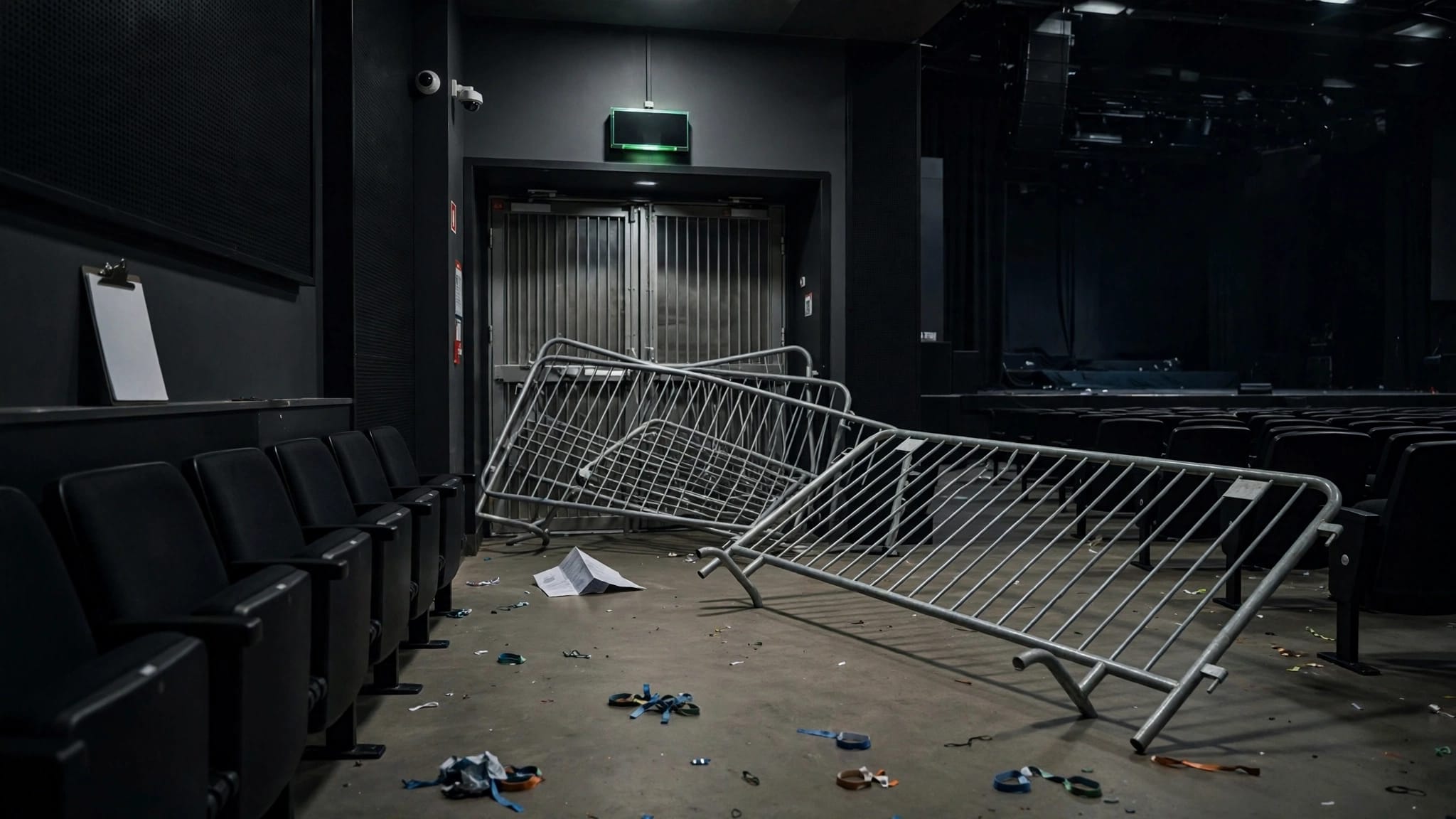
A Florida concert crowd crush can support an injury claim when unsafe crowd management causes harm. The strongest claims connect the injury to a specific failure, such as a blocked exit or a barrier that trapped attendees.
You may not know who controlled the area or what staff knew before the crowd became dangerous. Venue safety records can help answer those questions, but footage and other evidence may disappear quickly.
Key Takeaways
- A claim generally requires proof of a safety failure, its connection to the injury, and resulting losses.
- The venue, event organizer, security company, or another contractor may have had responsibility for a different part of crowd control.
- Crowd plans, communications, inspection records, and video can show what happened before and during the incident.
- Florida’s comparative fault rules can reduce or bar recovery in covered negligence claims.
- Many Florida negligence claims have a two-year filing deadline. An insurer’s investigation doesn’t automatically pause it.
What Makes a Concert Crowd Crush Claim?
A crowd crush injury alone doesn’t establish negligence. A claim must show that a person or company owed a duty of care, failed to meet it, and caused an injury that produced damages.
Identifying the unsafe condition
Crowd pressure can build near entrances, stages, narrow walkways, or exits. A claim may involve a barricade arrangement that restricted movement, an exit that couldn’t be used, or staff failing to respond to a developing crowd problem.
The location matters. A congested walkway at a small venue raises different questions than a field divided into sections by temporary fencing. Investigators need to understand how people entered, where they could move, and what routes were available when pressure increased.
Connecting the failure to the injury
The evidence must connect the unsafe condition to your harm. For example, witnesses may describe a crowd pressing against a closed gate while medical records document injuries consistent with compression.
A concert operator may argue that the crowd moved without warning. Earlier complaints, staff communications, and video can help establish how long the problem existed and whether anyone had time to respond. A safety plan can also be compared with what workers did.
Who May Be Responsible for Crowd Safety?
Several companies can share event duties. The name on your ticket is a starting point, but contracts and actual conduct help establish who controlled the hazard.
Venues and event organizers
A venue operator may control permanent exits, building capacity, and access to the property. An organizer may make decisions about ticket sales, temporary barriers, entry procedures, or the location of standing-room sections.
Responsibility depends on the arrangement for that event. A permit or approved layout doesn’t automatically resolve whether the venue or organizer acted reasonably during the show. Our discussion of crowd safety at public fireworks displays addresses similar questions about event control.
Security and other contractors
A security contractor may provide guards who monitor gates or report crowd pressure. Another company may install fencing or manage ticket scanning. Their duties can depend on contracts, staff instructions, and who had authority to change the plan.
A contractor’s presence doesn’t automatically make it liable. Evidence must show what it was responsible for, what it did or failed to do, and how that conduct contributed to the injury.
Venue Safety Records That Can Explain What Happened
The most useful records show both the planned safety measures and the conditions that existed at the concert. An attorney can request relevant documents and compare them with witness accounts and recordings.
Crowd plans, staffing, and communications
An event’s crowd management plan may identify entrances, exit routes, barriers, staff assignments, and procedures for responding to an emergency. Floor plans and maps can show where bottlenecks were likely to develop.
Staff schedules and deployment records may reveal who was assigned to the affected area. Radio logs, messages, and incident reports can show when workers received warnings and what they did afterward. An initial incident report is useful, but it may be incomplete if employees wrote it before they had a full account.
Inspection, maintenance, and complaint records
Fire inspection reports, occupancy documents, and records concerning exits or barriers may provide additional context. Earlier complaints can matter when they concern the same location or a similar crowd hazard.
A record of a reported problem doesn’t establish that it remained unresolved. Repair orders, follow-up inspections, and communications can show whether anyone corrected it before the concert. As with amusement park inspection and maintenance records, the sequence of reports and responses may matter more than a single checklist.
How to Obtain and Preserve Safety Records
Some records belong to public agencies. Others remain with private businesses and may require a legal request or litigation to obtain.
Public permits and inspection reports
A local building department or fire authority may hold permits, approved plans, inspection reports, or occupancy information. The relevant office depends on the venue and the agency that handled the inspection. For example, Hillsborough County describes its fire marshal inspection services on its official website.
Public records can contain redactions or legal exemptions. A prior inspection also doesn’t establish the exact condition of an exit or barrier on concert night. Event-specific plans and footage help fill that gap.
Records held by private companies
Venue operators, promoters, and contractors may possess surveillance footage, internal messages, incident reports, and staffing records. They aren’t required to provide every document voluntarily.
A preservation request can identify material that should be retained, including footage from entrances, hallways, and the crowd area. It can also identify radio recordings, ticket scans, and relevant barrier equipment. A request doesn’t guarantee preservation, so prompt legal help matters.
An approved occupancy figure is only one part of the evidence. Crowd pressure can develop at a narrow entrance even when the venue’s overall attendance is within its stated capacity.
A Florida Stadium Event Shows Why Entry Decisions Matter
The July 14, 2024, Copa America final at Hard Rock Stadium in Miami Gardens illustrates how entry decisions can become central to an investigation. It was a soccer match, not a concert. Kickoff was delayed 82 minutes after people without tickets breached security barriers.
The gates were closed and later reopened amid crowding at the perimeter. Miami-Dade Fire Rescue reported 120 responses, including 116 medical-related incidents. Those figures describe emergency responses, not a count of people injured in a crowd crush.
The federal case Nobel v. South Florida Stadium LLC alleged that inadequate security protocols kept ticket holders from entering. Those allegations concerned access to the match and aren’t a finding that a concert venue caused a crowd crush injury.
What to Do After a Concert Crowd Crush Injury
Get medical attention promptly. If you have trouble breathing or another emergency symptom, call 911. Tell medical providers how the pressure or fall occurred and describe your symptoms accurately.
Save your own evidence
Keep your ticket, purchase confirmation, wristband, and any messages about entry or seating. Save original photos and videos rather than only edited clips or screenshots. Their timestamps and surrounding footage may help establish the sequence of events.
Write down where you were, the route you took, and what you saw staff do. Collect witness names and contact information if possible. Avoid guessing about details you couldn’t see, such as how a gate was operated.
Record the effects of the injury
Keep emergency department records, imaging results, prescriptions, therapy notes, and receipts. Document missed work and any restrictions your provider gives you. These records help connect treatment and financial losses to the incident.
Ask for a copy of any venue incident report you completed. If its account differs from yours, preserve your own notes and supporting evidence. The same approach to documenting the scene is useful in Florida stairway fall injury claims.
Compensation, Shared Fault, and Waivers
Compensation in a supported injury claim may include medical expenses, future treatment, lost income, reduced earning capacity, and pain and suffering. The amount depends on the evidence and the effect of the injury, not merely the fact that the crowd became dangerous.
How Florida assigns fault
An insurer may argue that you ignored instructions or entered an area you weren’t authorized to use. Such an allegation needs evidence connecting your conduct to the harm.
Under Florida’s comparative fault statute, your share of fault generally reduces damages in a covered negligence action. A person found more than 50% responsible generally cannot recover. Exactly 50% doesn’t cross that threshold, although it reduces damages by half.
What a ticket waiver means
A venue may point to language on a ticket or registration form to argue that you accepted certain risks. The wording and circumstances matter. A waiver doesn’t automatically establish what caused an injury or resolve every claim against every company.
Keep the terms associated with your purchase. An attorney can review them alongside the crowd plan, the parties’ responsibilities, and the evidence of what occurred.
Florida Filing Deadlines and Government Venues
For many negligence claims accruing after March 24, 2023, Florida generally allows two years to file a lawsuit. Florida’s limitations statute contains the applicable filing periods, and exceptions or different rules can apply.
An insurance claim doesn’t stop the clock
A venue’s investigation, a records request, or settlement discussions don’t automatically extend the lawsuit deadline. You don’t need to wait for every record before speaking with an attorney. Early review gives counsel more time to identify defendants and seek evidence.
Public property can involve extra procedures
Some concerts take place at facilities owned or operated by a city, county, or another government entity. Claims against government defendants can involve formal notice requirements and other restrictions under Florida law.
Ownership alone doesn’t answer whether a government entity is responsible. The event contracts and actual control of the area also matter.
Frequently Asked Questions
Can I have a claim if I wasn’t knocked down?
Yes. Crowd pressure can cause an injury even if you remained standing. The claim still needs evidence of a responsible party’s safety failure, causation, and damages.
Can I seek compensation if I shared some fault?
In a covered negligence action, you may recover if your share of fault is 50% or less, although your damages are reduced by that percentage. An insurer’s proposed fault percentage isn’t a court finding.
Get Help Preserving Your Claim
A concert crowd crush claim depends on what happened in the affected area, who had authority to respond, and how the incident caused your injury. Safety plans matter, but they should be read alongside footage, communications, and medical records.
Our personal injury team offers free consultations. Contact us to discuss what happened and the evidence that may support your claim.