
Florida Amusement Park Injury Claims and Ride Inspection Records
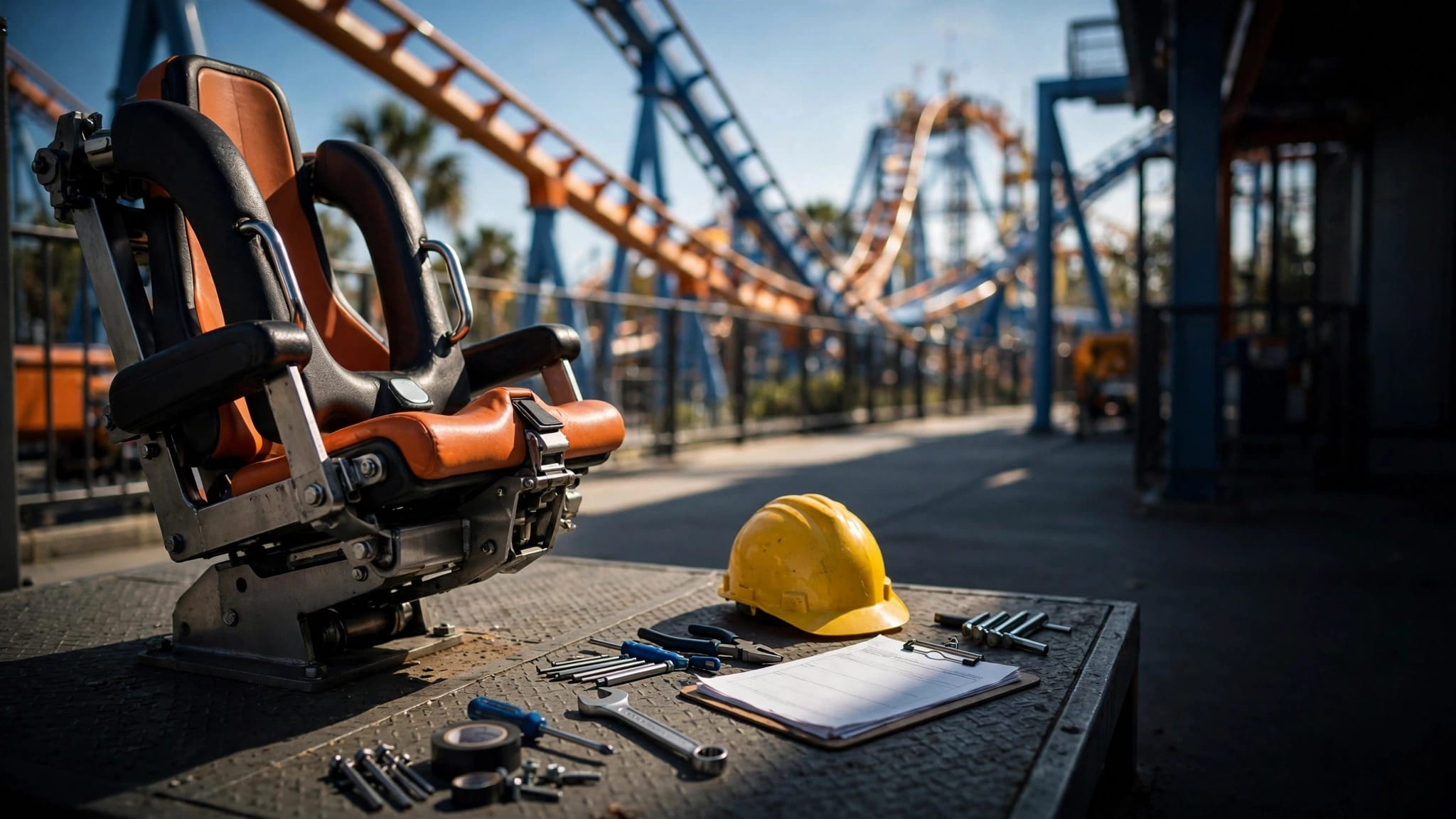
A day at a Florida theme park can end with a fractured bone, head injury, spinal trauma, or a medical emergency that changes a family’s plans for months. After a Florida amusement park injury, the park’s inspection and maintenance records may matter as much as eyewitness accounts.
Those records can show whether a ride had recurring mechanical trouble, missed safety checks, delayed repairs, or warnings that staff should have addressed. Acting early helps protect information before video footage is erased and memories fade.
Key Takeaways
- A ride injury claim needs proof that a park, operator, contractor, or manufacturer failed to use reasonable care and caused measurable harm.
- Florida law requires daily inspection records for regulated rides, while maintenance and inspection records can reveal earlier defects or incomplete repairs.
- Major permanent facilities may qualify for limited state inspection exemptions, but an exemption does not remove their duty to maintain safe rides.
- Most Florida negligence claims must be filed within two years, and waiting for a park’s investigation does not stop that deadline.
How Florida Amusement Park Injury Claims Take Shape
A serious injury alone doesn’t establish liability. A successful claim connects the event to a dangerous condition, careless operation, inadequate supervision, defective equipment, or another preventable failure.
The responsible party may be the park operator, ride owner, maintenance contractor, manufacturer, or a separate business running an attraction. Identifying every involved company matters because control over the ride, inspection duties, and insurance coverage may be divided.
Proving negligence after a ride incident
A Florida amusement park injury claim often turns on four issues: who owed a duty of care, what safety failure occurred, whether that failure caused the injury, and what losses followed.
For example, a restraint that released, a ride stopped without warning, or an operator ignored a safety alert may support a negligence claim. Yet the evidence must show more than a bad outcome. Medical records, video, witness accounts, ride records, and expert review may be needed to connect the failure to the injury.
A park’s incident report is useful, but it is not the final word. It may contain incomplete information or reflect only the first version of events given by employees.
Claims may involve more than the park
Some accidents involve a defective component, poor maintenance, or an outside vendor’s conduct. A manufacturer may face a product-liability claim if a ride part was defectively designed or made. A contractor may be responsible if it performed repairs carelessly.
Employees injured while working at a park may have a workers’ compensation claim against their employer. When an outside company contributed to the accident, Florida third-party injury claims versus workers’ comp can explain why both paths may matter.
Who Inspects Florida Amusement Rides?
Florida’s inspection system depends on the type of attraction and the facility operating it. The Florida Department of Agriculture and Consumer Services, or FDACS, oversees permitting and inspections for many amusement rides.
The agency explains its role through its FDACS fair rides inspection requirements. However, not every attraction follows the same state inspection process.
Daily checks happen before riders board
Under Florida Statutes section 616.242, operators of regulated rides must inspect and test each ride before opening it to the public each day. They also must inspect and test the ride before a department inspection.
The statute requires the most recent 14 daily inspection records to remain at the ride location and be immediately available to FDACS. Those records can identify the person who performed a check, the date, reported conditions, and whether the operator cleared the ride for use.
A daily checklist does not automatically prove safe operation. Its details may instead show skipped entries, repeated concerns, or a problem reported shortly before the accident.
Permanent rides and large-facility exceptions
FDACS generally inspects permanent rides six months after an annual permit is issued. Still, Florida law allows a waiver for a large permanent facility that meets statutory requirements, including at least 1,000 full-time employees and full-time, in-house safety inspectors.
A facility seeking that waiver must file an annual inspection affidavit. This structure does not mean a large park is free from safety duties. It means the source of inspection records may be the park’s in-house safety program rather than a routine FDACS visit.
A state inspection record can be valuable, but a complete claim usually requires the operator’s own daily checklists, repair history, employee reports, and incident documentation.
What Inspection and Maintenance Records Can Show
Ride records create a timeline that starts before the date of an accident. When reviewed together, they may reveal whether an incident was sudden and unavoidable or part of an unresolved safety problem.
Florida administrative rules require operators to make the prior six months of inspection and maintenance records available upon request. Records describing inspections and maintenance work generally must be retained for at least four years.
Repeated defects can establish notice
A single repair invoice may show that a part failed unexpectedly. Several work orders for the same restraint, brake system, sensor, harness, gate, or control panel tell a different story.
Maintenance records can help establish actual notice, meaning the operator knew of a problem. They can also support constructive notice, meaning a dangerous condition existed long enough that reasonable inspections should have discovered it.
Useful documents may include technician notes, repair invoices, shutdown logs, fault-code data, manufacturer bulletins, employee complaints, and follow-up inspections. A record showing repeated repairs with no lasting fix can be more persuasive than a generic statement that the ride was “inspected.”
A clean inspection record is not the end of the inquiry
An operator may point to a signed checklist or recent inspection as a defense. That document deserves close review, but it doesn’t settle the issue. A checklist may not address a hidden defect, an intermittent malfunction, operator error, or a failure that occurred after the inspection.
An attorney can compare the records against ride design information, video footage, guest statements, medical evidence, and the sequence of events. For a closer look at documents that may be requested, review this Florida theme park injury evidence checklist.
Getting Records and Preserving Evidence
An injured guest should seek medical care first, even when pain or dizziness seems manageable at the park. Early records connect the injury to the ride and document symptoms before an insurer argues that another event caused them.
Ask the park to create an incident report, then request a copy if possible. Write down the attraction name, the ride vehicle or seat, the date and time, weather conditions, employee names, and witness contact details.
Protect video and physical evidence quickly
Surveillance video may capture the loading platform, restraint check, ride exit, emergency response, or statements made moments after the event. Many systems overwrite recordings within days or weeks.
Take clear photographs of visible injuries, warning signs, ride entrances, damaged clothing, and any physical condition you can safely document. Keep original image and video files rather than relying on social media posts or edited clips. Don’t throw away damaged personal items without legal advice.
A prompt preservation letter can ask the park and other responsible parties to retain footage, incident reports, ride logs, maintenance files, communications, and relevant equipment. It cannot guarantee access to every document, but it creates a written record of the request.
FDACS investigation files have limits
FDACS must prepare a written report when it investigates an amusement-ride incident. While an investigation remains active, its investigatory records are confidential under the amusement-ride statute.
That confidentiality is temporary and fact-dependent. It does not mean all evidence is unavailable, nor does it give an operator permission to discard its own routine records. Private claims may still seek relevant documents through appropriate legal procedures.
Deadlines, Fault, and Compensation
For most Florida negligence actions that accrued on or after March 24, 2023, the filing deadline is two years. Florida also generally applies a two-year period to wrongful-death actions. The exact date can depend on the accident, the parties, and the legal theory, so it should be reviewed promptly.
The current Florida limitations statute lists the applicable time limits. An open insurance claim, settlement negotiation, or promise to investigate doesn’t automatically pause the time to file suit.
Shared fault can affect recovery
Parks and insurers may argue that a rider ignored instructions, failed to secure a restraint, entered a restricted area, or had a medical condition unrelated to the ride. Evidence matters because Florida allocates damages by each party’s percentage of fault.
Under the Florida comparative fault statute, a claimant found more than 50 percent at fault generally cannot recover in an applicable negligence action. A person found 20 percent at fault may still recover, but damages are reduced by that percentage.
Avoid guessing in a recorded statement. Be honest about what you remember, but don’t adopt an adjuster’s account or estimate details that video and ride records may later contradict.
Document every loss tied to the injury
Compensation may include medical bills, future care, lost income, reduced earning capacity, pain and suffering, and loss of enjoyment of life. Families pursuing a fatal accident claim may have separate wrongful-death damages.
Keep hospital records, imaging results, prescriptions, therapy notes, receipts, work restrictions, wage records, and notes about daily limitations. Consistent documentation gives the claim a clear connection between the ride incident and its financial and personal effects.
Frequently Asked Questions
Can I sue if I signed a ride waiver?
A waiver may affect a claim, but it does not automatically end it. Its language, the type of activity, the injury facts, and the alleged conduct all matter. A waiver may not protect a business from claims involving gross negligence, reckless conduct, or other conduct beyond ordinary risk acceptance.
What if the park says my injury was a medical event?
A park may describe an incident as a personal medical episode, especially when a rider experienced chest pain, fainting, or loss of consciousness. Medical records, witness accounts, ride data, and the timing of symptoms may help determine whether a ride event caused or worsened the condition.
When should I speak with an attorney?
Speak with an attorney as soon as possible when the injury is serious, the park disputes what happened, or key evidence is controlled by the operator. Florida theme park injury claims often depend on records that a guest cannot obtain alone.
Final Thoughts
A Florida amusement park injury case is strongest when the medical evidence and ride records tell the same clear story. Daily checklists, repair logs, inspection reports, video, and witness statements can show whether the accident was preventable.
Quick action protects both the two-year filing deadline and the evidence needed to prove a claim. The park’s records may reveal what happened before the ride ever opened that day.