
Florida Car Accident Claims After a Medical Emergency
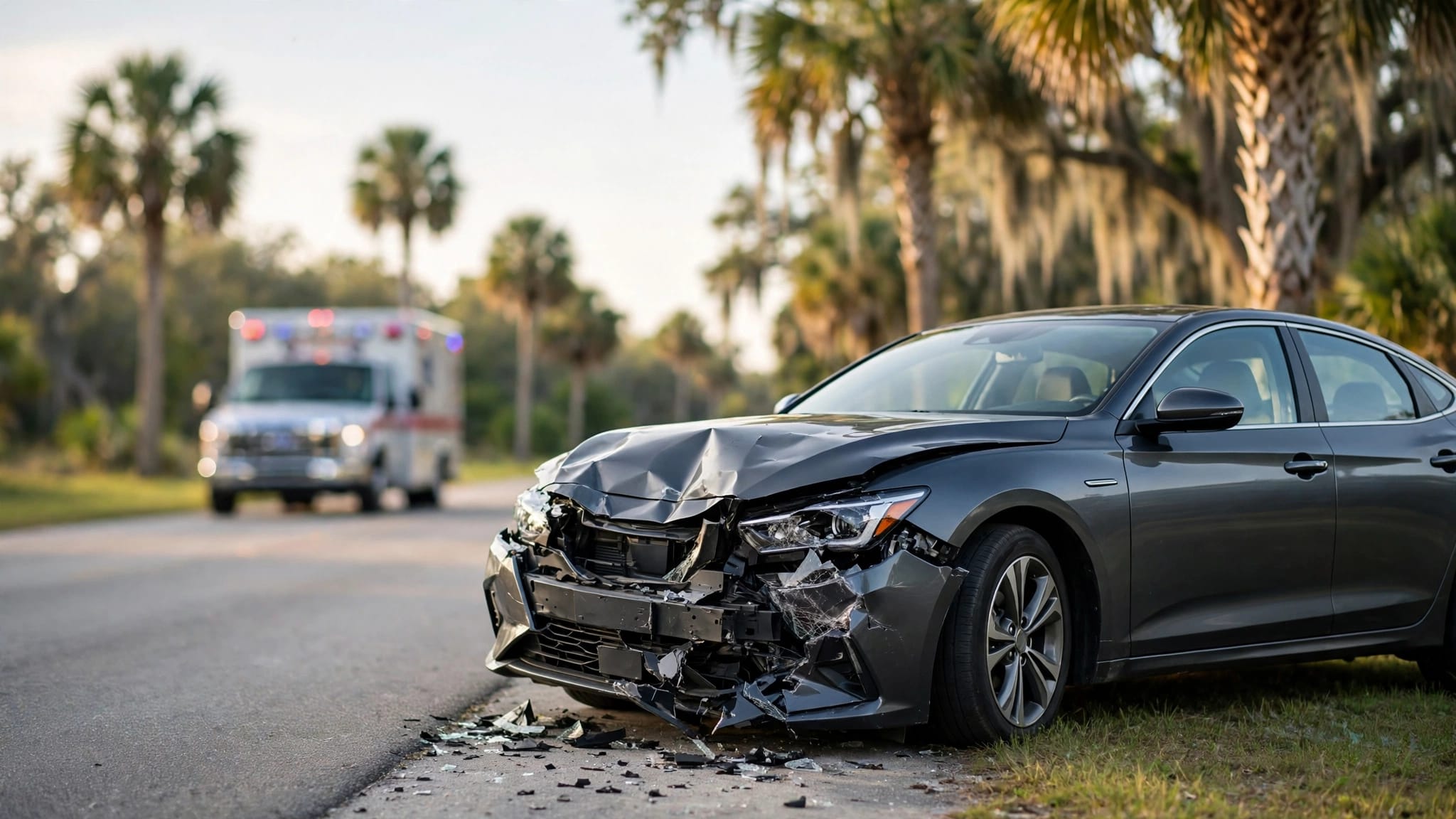
A driver’s medical emergency can defeat a negligence claim if sudden, unforeseeable incapacity caused the crash. However, a diagnosis alone doesn’t establish that defense, and qualifying no-fault insurance benefits may remain available regardless of liability.
After a Florida car accident involving a seizure, fainting episode, or heart-related event, the central question is often foreseeability. The driver’s warning signs, medical history, and actions before losing control can determine whether an injury claim succeeds.
Start by separating the driver’s defense from the insurance benefits available for your injuries.
Key Takeaways
- A driver claiming sudden medical incapacity must establish that the event was sudden, unforeseeable, and occurred before the conduct that caused the crash.
- Prior episodes, driving restrictions, and warning symptoms can affect whether that defense succeeds.
- Personal Injury Protection benefits involve different requirements than a negligence claim. Treatment timing, injury documentation, and available coverage still matter while insurers investigate responsibility.
How Medical Incapacity Affects a Florida Car Accident Claim
Florida recognizes a defense based on sudden, unforeseeable incapacity. Its application depends on the evidence surrounding the particular crash.
What the driver must establish
The defense requires proof that the driver lost consciousness or capacity, that the incapacity preceded the allegedly negligent conduct, and that it occurred suddenly without foreseeable warning.
Timing matters. A medical episode caused by crash trauma doesn’t explain earlier negligent driving. Likewise, evidence of illness doesn’t automatically establish that the driver lacked the ability to control the vehicle.
An insurer’s statement that its policyholder “had a medical emergency” therefore leaves important questions unanswered. Medical records and evidence of the vehicle’s movements must support the explanation.
Why warning signs can change the outcome
Prior fainting episodes, medical advice against driving, or symptoms before departure can bear on foreseeability. However, having a chronic condition doesn’t automatically make every later medical event predictable.
In Abreu v. F.E. Development Recycling, Inc., Florida’s Fifth District Court of Appeal identified factual disputes involving symptoms and medical history that prevented resolution of the defense as a matter of law.
The distinction is practical: the investigation must address what the driver knew before the collision. A diagnosis made afterward may explain the event without resolving whether the driver should have anticipated it.
Evidence That Can Establish What Happened Before Impact
The medical explanation deserves careful investigation alongside the physical evidence. Neither an unsupported allegation nor the mere fact of a collision settles liability.
Preserve the driving timeline
Call 911 when injuries or an ongoing emergency require assistance. Once everyone is safe, preserve photographs, witness contact information, and any available dashcam footage.
Witnesses may have observed drifting, braking, changes in speed, or statements about symptoms. Those details can help establish when the driver became incapacitated.
Nearby businesses may also have surveillance footage. Because recordings can disappear, an attorney can request preservation of relevant video and vehicle data promptly. Some vehicles record information about speed, braking, and other inputs around an impact.
Connect medical records to the collision
Emergency medical records may document the driver’s condition when responders arrived. Earlier records may address prior episodes, medication effects, or driving restrictions. An attorney can pursue relevant records through authorized legal procedures; those records aren’t automatically available to the other motorist.
Your own treatment records serve a separate purpose. They document injuries, symptoms, and the connection between the crash and your medical needs.
Keep bills, discharge instructions, imaging results, and work restrictions together. If no police report exists, our guidance on claims without a police report explains how other evidence can support the case.
PIP Benefits Can Apply While Fault Remains Disputed
Personal Injury Protection, or PIP, provides qualifying benefits without requiring proof that another driver negligently caused the wreck. A disputed medical-incapacity defense shouldn’t delay necessary care.
Receive qualifying treatment within 14 days
Florida generally requires initial qualifying medical services and care within 14 days after the accident for PIP medical benefits.
Reporting the collision to an insurer doesn’t satisfy the PIP 14-day treatment rule. Receiving qualifying care is the requirement.
Describe how the collision happened and when symptoms began. Also report relevant prior conditions accurately. Follow-up records can show whether the crash caused new injuries or aggravated an existing condition.
Understand the benefit limits
Under Florida’s PIP benefits statute, coverage generally pays 80% of qualifying medical expenses and 60% of covered lost income. Medical and disability benefits generally share a $10,000 limit, subject to eligibility, deductibles, and statutory conditions.
A qualifying emergency-medical-condition determination supports access to the $10,000 limit. Medical benefits are limited to $2,500 when an authorized provider determines there was no emergency medical condition.
The PIP emergency-medical-condition determination concerns the injured person’s benefits. It doesn’t establish whether the other driver’s medical event excuses negligence.
PIP doesn’t pay for vehicle repairs or pain and suffering. Receiving benefits also doesn’t resolve who bears legal responsibility for losses beyond that coverage.
Other Insurance Depends on Liability and the Type of Loss
A responsible driver’s bodily injury liability coverage may address supported injury damages beyond available PIP benefits. However, Florida doesn’t require every private motorist to carry bodily injury liability insurance in every situation.
Uninsured or underinsured motorist coverage may help when a legally responsible driver lacks sufficient applicable coverage. Legal responsibility still matters. If a sudden-incapacity defense defeats negligence, UM coverage doesn’t automatically replace the unavailable liability recovery.
Other participants may also bear responsibility. In a collision involving several vehicles, one driver’s medical defense doesn’t decide whether another motorist acted negligently. Our discussion of Florida multi-vehicle crash claims addresses the separate fault questions that can arise.
Vehicle damage follows another coverage path. Your collision coverage may address covered damage subject to a deductible, even while the parties dispute fault. Another driver’s property damage liability coverage depends on responsibility and policy terms.
Keep repair estimates, towing receipts, photographs, and records of reasonable transportation costs. If the vehicle may be a total loss, also preserve mileage, condition, and maintenance records. These documents support a property claim rather than a PIP claim.
Compensation Requires Proof of Both Responsibility and Loss
When another party is legally responsible, a claim may address unpaid medical expenses, lost earnings, future treatment, and reduced earning capacity. The available recovery depends on evidence and applicable insurance limits.
Medical bills establish charges, but future losses need additional support. Treatment recommendations and work restrictions can explain continuing needs. Pay records help document income lost during recovery.
Pain-and-suffering damages in covered motor vehicle cases generally require an injury meeting Florida’s serious-injury threshold. Qualifying categories include significant and permanent loss of an important bodily function, qualifying permanent injury, significant and permanent scarring or disfigurement, and death.
A serious diagnosis alone doesn’t establish the amount of compensation. Records must show how the injury affects functioning, treatment needs, and daily activities.
Your own conduct can also affect recovery. In applicable Florida negligence actions, shared fault reduces damages, and a claimant found more than 50% responsible generally cannot recover. An insurer’s proposed percentage isn’t a binding determination.
Finally, even substantial injuries don’t create unlimited coverage. When several people seek payment under one policy, insurance policy limits can affect the funds available to each claimant.
Filing Deadlines Continue During the Medical Investigation
Florida’s current general deadline for a negligence lawsuit is two years, under section 95.11. For ordinary crash claims accruing on or after March 24, 2023, that usually means two years after the collision.
Different claims, parties, and legally recognized exceptions can change the analysis. The PIP treatment deadline is separate from the lawsuit deadline.
An open insurance claim doesn’t automatically pause the filing period. Neither does an insurer’s ongoing investigation into whether its driver experienced a medical emergency.
Our explanation of the Florida car accident lawsuit deadline addresses why the claim’s accrual date matters. Early legal review also gives an attorney time to preserve records and evaluate disputed medical evidence before filing becomes urgent.
Before signing a settlement release, understand which claims it resolves and whether your continuing treatment needs have been addressed.
Frequently Asked Questions
Can a passenger recover if their driver had a medical emergency?
A passenger may qualify for PIP benefits without proving the driver’s negligence. The applicable policy depends on the passenger’s own insurance, household coverage, and other statutory circumstances.
A separate liability claim requires evidence that someone was legally responsible. That may involve the occupied vehicle’s driver, another motorist, or another responsible party. Being a passenger doesn’t make the medical-incapacity defense disappear, but it also doesn’t eliminate otherwise available no-fault benefits.
Does a history of seizures automatically make the driver negligent?
A seizure history is relevant, but it doesn’t automatically decide negligence or defeat the defense. The investigation must address the driver’s prior episodes, medical instructions, warning symptoms, and knowledge before driving.
Similarly, an absence of prior diagnosed illness doesn’t establish the defense by itself. Evidence must still show that incapacity occurred before the conduct causing the collision and that the event was sudden and unforeseeable. The medical history and crash timeline need to fit together.
Protect the Evidence Before Accepting a Medical Defense
A medical emergency can change a Florida crash claim, but the outcome turns on proof of sudden, unforeseeable incapacity. Preserve evidence of the driver’s condition and conduct while documenting your injuries and losses.
Keep no-fault benefits and liability claims separate so an unresolved defense doesn’t delay treatment or obscure filing deadlines.
At Avard Law Offices, we offer a free consultation for people seeking help with personal injury claims. We can discuss how the medical explanation, available coverage, and evidence affect your claim.