
Florida Ovarian Torsion Malpractice: Missed Diagnosis
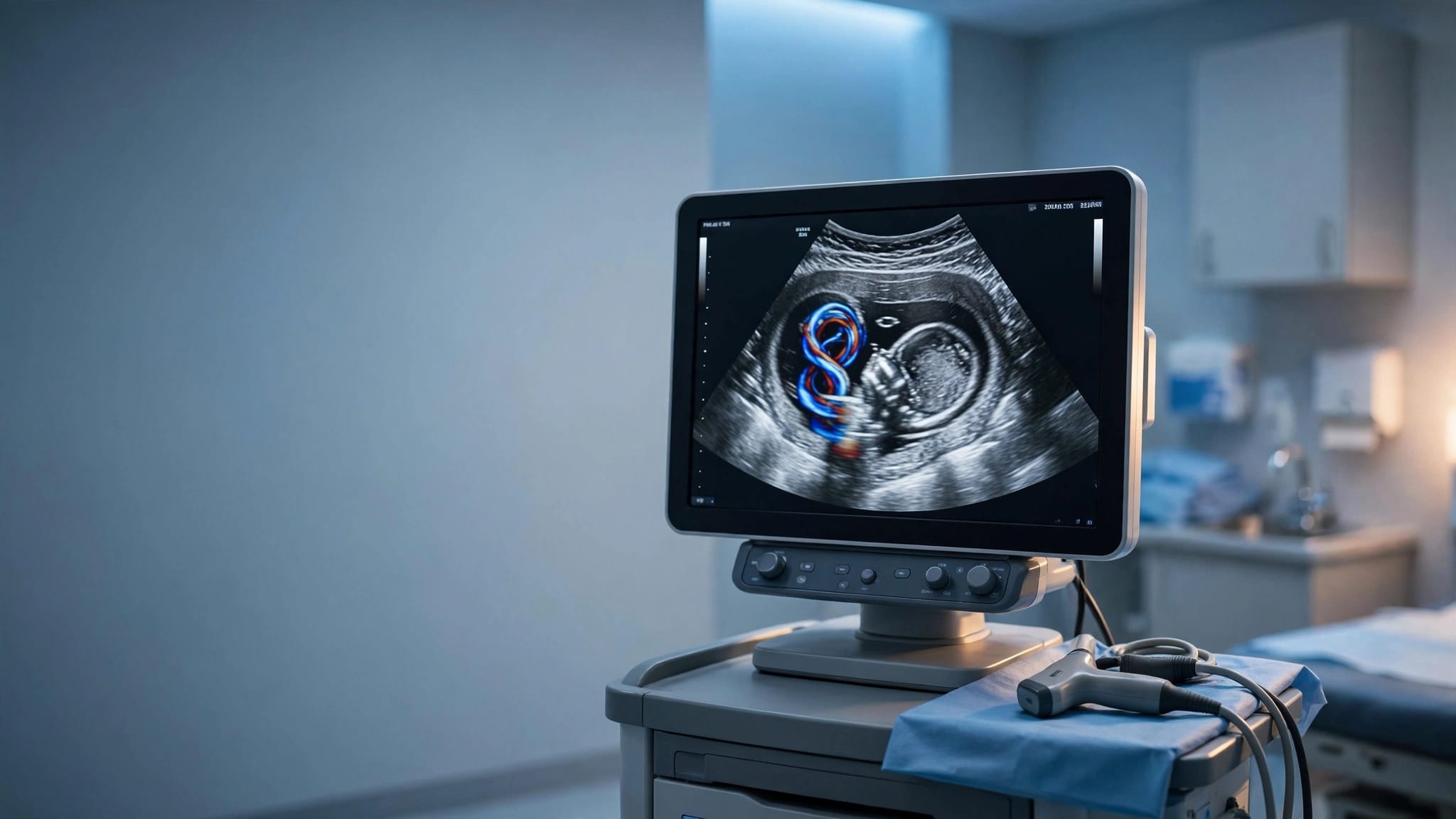
A missed ovarian torsion diagnosis can support a Florida malpractice claim when negligent care probably caused preventable injury. An ovarian torsion malpractice case requires evidence of preventable harm, not simply a delayed diagnosis or an unfavorable surgical outcome.
Ovarian torsion is a surgical emergency in which an ovary twists and compromises its blood supply. If you have sudden, severe pelvic pain, particularly with nausea or vomiting, seek emergency care immediately. For a potential legal claim, the medical timeline is the starting point.
Key Takeaways
- A reassuring ultrasound doesn’t automatically exclude ovarian torsion or justify discharge.
- Medical experts must connect a specific failure in care to additional injury, such as preventable ovarian loss.
- Florida generally requires expert-supported presuit investigation and formal notice, and filing deadlines can run while treatment continues.
Why Ovarian Torsion Gets Missed
Ovarian torsion, a form of gonadal torsion, affects approximately 5 per 100,000 women annually and accounts for about 3% of gynecologic emergency surgeries. Although uncommon, it requires urgent assessment because interrupted circulation can cause ovarian necrosis.
Symptoms overlap with other conditions
Pain often begins suddenly, affects one side of the lower abdomen or pelvis, and accompanies nausea or vomiting. However, pain can fluctuate when the ovary twists and untwists.
These symptoms can resemble appendicitis, a ruptured ovarian cyst, gastrointestinal illness, or kidney stones. In younger patients, abdominal symptoms may initially draw attention away from gynecologic causes. A misdiagnosis review asks whether the examination, history, and test results called for further investigation or urgent consultation.
Ultrasound has important limits
Pelvic ultrasound with Doppler usually helps assess suspected torsion. Ovarian enlargement, edema, or an abnormal vascular appearance can support concern.
However, the ovary has more than one blood supply, and torsion can be intermittent. Clinicians must interpret imaging alongside symptoms and examination findings.
Preserved Doppler blood flow doesn’t rule out torsion. A malpractice review must examine whether the clinical findings still required urgent surgical assessment.
Pregnancy testing and evaluation for competing diagnoses also matter, but they don’t replace consideration of torsion.
What Prompt Diagnosis and Treatment Should Involve
Treatment generally follows this sequence, without allowing testing to delay necessary surgical assessment:
- Obtain appropriate imaging, usually pelvic ultrasound, while evaluating symptoms and arranging consultation.
- Perform diagnostic laparoscopy when clinical suspicion warrants surgery.
- Untwist the ovary and affected supporting structures through detorsion.
- Assess the tissue while prioritizing preservation whenever viability remains uncertain.
- Reserve oophorectomy, or ovarian removal, for unavoidable circumstances, such as severely necrotic tissue that falls apart.
- Consider oophoropexy, or fixation of the ovary, in selected patients with recurrence concerns.
- Provide postoperative monitoring, follow-up imaging when indicated, and instructions about recurrent symptoms.
A pediatric systematic review supports ovarian salvage as the preferred treatment. A dark or blue-black appearance alone doesn’t reliably establish permanent loss of function. When ovarian viability remains uncertain, preservation is generally the preferred approach.
Oophoropexy isn’t routine or guaranteed to prevent another torsion. Its benefits depend on the circumstances, and evidence about the best technique remains limited.
There is also no universal hour cutoff after which an ovary must be removed. Symptom duration, intermittent twisting, and remaining circulation affect the outcome. That uncertainty supports urgent treatment rather than waiting for a particular deadline.
Proving Ovarian Torsion Malpractice in Florida
Under Florida’s medical negligence standard, the assessment concerns the care reasonably expected under similar circumstances. A claim generally requires four elements:
- A doctor-patient relationship established a duty to provide appropriate care.
- The provider breached the applicable standard of care through an unreasonable act or omission.
- That breach probably caused additional injury.
- The patient experienced legally recoverable damages.
A misdiagnosis alone doesn’t establish all four elements of a medical negligence claim.
Records must show a preventable delay
In malpractice litigation, an expert compares symptom onset, triage, examinations, imaging orders, radiology communications, consultation requests, discharge, and surgery.
Original ultrasound images can matter as much as the report. Operative photographs, pathology, and the surgeon’s description may help assess whether earlier intervention probably would have preserved tissue. However, a later finding of necrosis doesn’t automatically prove the ovary was salvageable during the earlier visit.
The expert must evaluate what clinicians knew at each decision point without relying solely on hindsight.
Causation requires more than showing organ loss
In a reported Irish case involving a teenager identified as Emma, clinicians initially considered a ruptured cyst or appendicitis. Surgery occurred roughly three months later. An expert concluded that earlier laparoscopic detorsion likely would have saved the ovary and fallopian tube.
That account illustrates the importance of expert causation evidence. It doesn’t establish Florida liability or predict compensation under Florida law.
Likewise, a Florida claim needs evidence that appropriate care probably would have changed the outcome, rather than merely offered a possibility of improvement.
What Torsion Litigation Numbers Can Tell You
The database study found very few ovarian cases
A Journal of Pediatric Surgery study published online in 2022 searched Westlaw Jury Verdicts and Settlements and Lexis Cases. It found 155 testicular torsion claims and only four ovarian torsion cases, a roughly 38-fold difference. The larger testicular sample doesn’t establish evidence about ovarian cases.
Among cases with reported rulings, two of three ovarian cases were in favor of the defense. The corresponding defense figure in the larger comparison group was 52%.
For the testicular claims, median damages awarded were $250,000, with a range of $12,000 to $8.5 million. Median delay in care was three days. Those figures aren’t ovarian torsion settlement estimates.
The study also cited an ovarian torsion incidence of 4.9 per 100,000 females younger than 20.
Clinical differences limit comparisons
The study discussed a series in which 94% of ovaries were salvageable with apparently normal function after a median symptom duration of 16 hours. That finding doesn’t establish a safe waiting period.
By comparison, up to one in three cases of testicular torsion result in testicular loss, with the likelihood increasing substantially between 12 and 24 hours. That timing data is a separate comparator, not an ovarian treatment deadline.
Together, the ovarian and testicular findings describe a small body of gonadal torsion cases. Only four ovarian cases can’t establish reliable broader outcomes in malpractice litigation or typical compensation. Legal databases also omit many confidential settlements and unfiled claims.
Our discussion of testicular torsion malpractice claims addresses that separate condition. Neither its outcomes nor its urgency benchmarks determine an ovarian torsion claim.
Florida’s Presuit Requirements and Filing Deadlines
Investigation comes before formal notice
Florida generally requires a reasonable presuit investigation. Under section 766.203, a qualified medical expert’s verified written opinion must corroborate reasonable grounds to believe negligence caused injury. The expert’s qualifications must fit the provider and care under review.
You don’t need to obtain that opinion before contacting an attorney.
After investigation, the claimant must notify each prospective defendant. Florida’s presuit notice requirements generally prohibit filing suit during a 90-day screening period. Recipients may investigate, deny responsibility, offer settlement, or admit liability and seek arbitration.
Required health-information authorization and information exchange also form part of this process. A hospital grievance doesn’t replace statutory notice.
Deadlines can expire during recovery
Florida’s medical malpractice limitations statute generally provides two years from the incident or discovery under the statutory rule. Discovery includes what reasonable diligence should have revealed about the injury and its possible connection to negligence.
A four-year outside limit generally applies. Exceptions can involve fraud, concealment, intentional misrepresentation, or certain claims involving young children.
A teenager’s claim doesn’t automatically remain available until adulthood. Proper presuit procedures can affect deadlines, but records requests, insurance discussions, and internal hospital investigations don’t automatically preserve a claim. The dates require an individual legal calculation.
What Injuries and Compensation Require Proof
Delayed treatment can cause gonadal loss, meaning loss of ovarian tissue or an entire ovary, removal of a fallopian tube, reduced ovarian reserve, and additional surgery. Depending on the extent of injury, patients may also experience fertility problems or hormonal consequences.
However, losing one ovary doesn’t automatically cause infertility or hormonal imbalance. The remaining ovary often continues producing hormones and releasing eggs. A claim should reflect the patient’s actual prognosis.
Potential damages include additional medical expenses, supported future treatment costs, lost earnings, pain, and other legally recoverable losses. Fertility-related expenses require medical support; they shouldn’t be assumed from an oophorectomy alone.
Preserve discharge papers, portal messages, bills, and a factual timeline. Counsel can request complete records and imaging while identifying the responsible clinicians and legal entities. Continue necessary medical care, and seek legal advice before signing a claim-related release.
Frequently Asked Questions
How risky is ovarian torsion surgery?
Laparoscopy carries risks such as bleeding, infection, anesthesia complications, and injury to nearby organs. Individual risk depends on health, surgical findings, and the procedure required. However, untreated torsion threatens ovarian function. The possibility of surgical complications doesn’t justify postponing necessary emergency assessment.
Can a parent pursue a claim for a daughter?
A parent or other legally authorized representative can generally pursue a minor’s claim through the appropriate legal process. The child’s records, expert evidence, and applicable deadlines still govern. Parents shouldn’t assume that being under 18 suspends Florida’s medical malpractice deadlines until adulthood.
Get a Timely Review of a Missed Diagnosis
A viable ovarian torsion malpractice claim connects a specific failure in care to preventable injury. The medical timeline and qualified expert analysis provide that connection.
Our guidance on when to contact a malpractice attorney explains why review can begin before treatment ends.
Contact us for a free consultation about your care or your daughter’s delayed diagnosis. We can discuss the circumstances and the records needed for an initial review.