
Florida Motorcycle Passenger Claims After a Crash
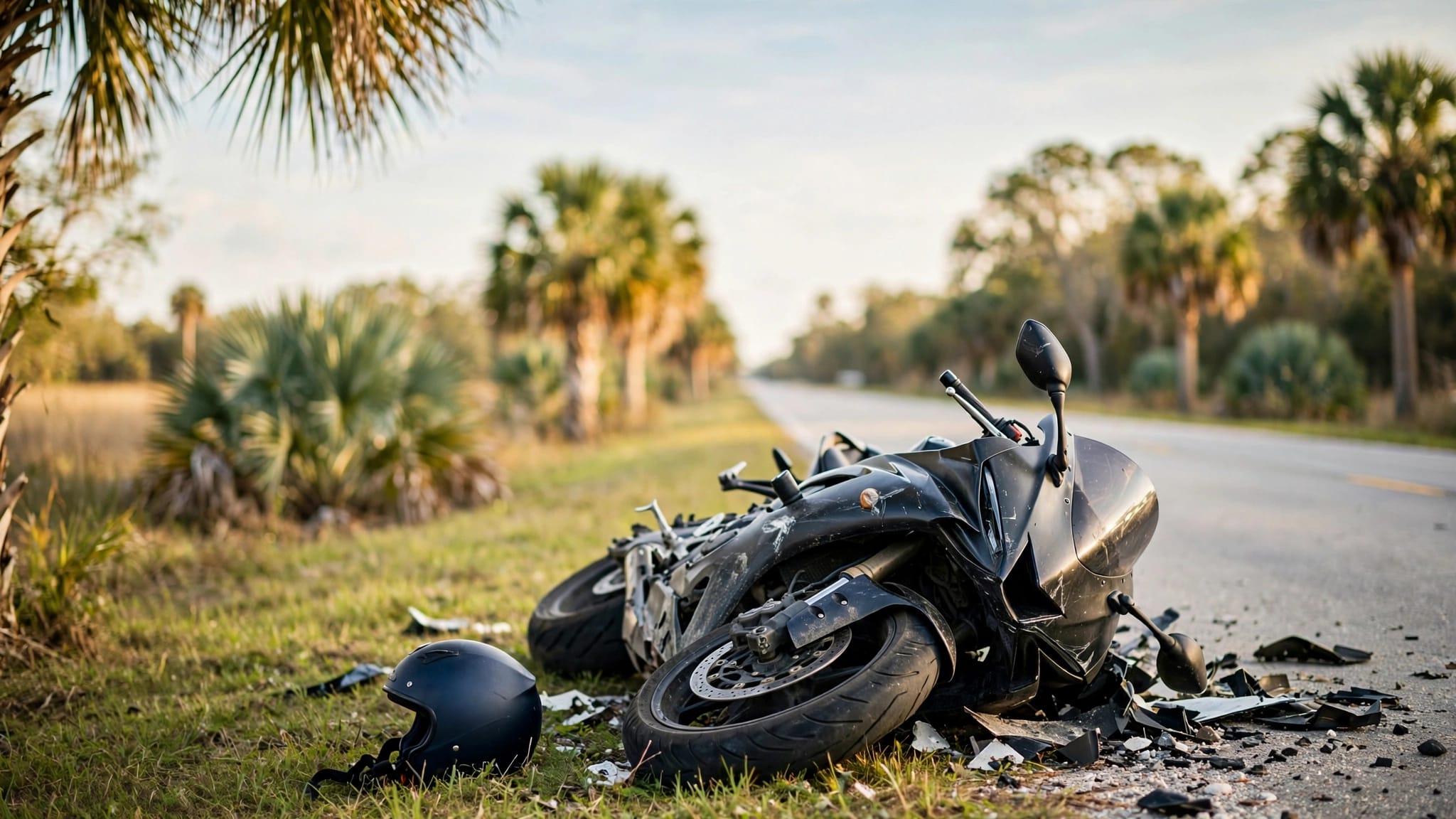
Injured motorcycle passengers in Florida can seek compensation after a motorcycle accident caused by a negligent rider, another driver, or another responsible party. You don’t have to prove you were entirely fault-free to bring a personal injury claim, although your own negligence can reduce or prevent recovery.
Florida motorcycle passenger injury claims depend on who caused the injuries, available insurance, and filing deadlines. Start by separating the rider’s responsibility from your own conduct and identifying every potential source of compensation.
Key Takeaways for Injured Passengers
- You may have a claim against the motorcycle operator, another driver, a responsible government agency, or a manufacturer.
- Florida generally reduces compensation by your percentage of fault and bars recovery when your fault exceeds 50%.
- Motorcycle passengers shouldn’t assume automobile personal injury protection, or PIP, covers their injuries.
- Many Florida negligence claims have a two-year lawsuit deadline, and settlement discussions don’t automatically extend it.
Who Can Be Liable for a Passenger’s Injuries?
A passenger must establish legal responsibility, causation, and damages. More than one of the potentially liable parties may have contributed to the crash.
The motorcycle operator and another driver
The motorcycle operator owes passengers reasonable care. Speeding, impaired driving, following too closely, or losing control through careless operation can support a negligence claim.
The other driver may be responsible if they fail to yield while turning across the motorcycle’s path.
When both drivers contributed, the claim should address each person’s conduct. A passenger doesn’t automatically share the motorcycle operator’s percentage of fault simply because they rode together.
Road agencies and product manufacturers
Roadway defects such as potholes, loose gravel, abrupt pavement seams, and grooves can cause a motorcycle to lose control. However, a dangerous condition alone doesn’t establish government liability. Responsibility for maintenance, notice of the hazard, causation, and immunity rules matter.
A defective tire, brake component, or other motorcycle part may support a product liability claim against a manufacturer or seller. Defective protective equipment may also require investigation if it worsened the injuries.
Preserve the motorcycle, failed components, and helmet before repairs or disposal destroy evidence.
How Fault Affects Motorcycle Passenger Claims
Florida applies modified comparative negligence, often called comparative fault, in most crash injury cases. The passenger’s own conduct matters separately from either driver’s mistakes.
Passenger conduct must have contributed to harm
An insurer may argue that a passenger distracted the operator, obstructed the operator’s view, or leaned excessively while stopped. Those allegations require evidence connecting the conduct to the crash or injuries.
Seating and equipment also matter. Florida requires appropriate passenger seating, and its passenger-footrest requirements apply to motorcycles carrying passengers outside a sidecar or enclosed cab.
Record where you sat and whether the motorcycle had usable footrests.
Your percentage changes the recoverable amount
Under Florida’s comparative-fault law, a passenger’s fault generally reduces damages proportionately.
For a straightforward calculation, $100,000 in established damages reduced by 20% fault leaves $80,000 before other recovery issues. Exactly 50% fault permits a reduced recovery; fault greater than 50% generally bars recovery in a covered negligence action.
An insurer’s proposed fault percentage isn’t a court finding. Witness accounts, video, and physical evidence can challenge it.
Which Insurance Policies Can Pay?
Responsibility and insurance coverage are separate questions. A valid claim doesn’t guarantee that enough insurance exists to pay every loss.
Claims against liability insurance
A passenger can submit a bodily injury claim to the motorcycle operator’s liability insurer, another driver’s insurer, or both when supported by the facts.
Start with the crash information, policy details, and insurer contact information. Contact the insurance company to report the injury claim and obtain a claim number. Request details about the insurance policy, including applicable coverage, limits, and exclusions. Medical records, wage documentation, and evidence of fault then support the demand.
A per-accident limit may be shared among everyone injured. Also, a motorcycle policy doesn’t necessarily include liability coverage for a passenger.
UM coverage and the PIP distinction
Uninsured motorist coverage may apply when a responsible driver disappears or has no insurance. Benefits for inadequate limits may also apply. Depending on insured status and policy terms, coverage may involve the motorcycle policy, your own policy, or a household policy.
Our guidance on Florida underinsured motorist claims explains why a liability offer may leave substantial losses unpaid.
Motorcycle exclusions and coverage rejections can affect eligibility. Before accepting a liability settlement, address any notice requirements protecting a related UM claim.
Florida’s automobile PIP system generally doesn’t cover motorcycle occupants. Don’t assume the familiar $10,000 automobile PIP benefit applies.
What Compensation Can You Recover?
The value of motorcycle passenger claims depends on proven losses, fault, and available recovery sources. An injury label alone doesn’t establish a settlement amount.
Medical care, income losses, and personal harm
Motorcycle passengers can suffer traumatic brain injuries, spinal cord damage, fractures, internal bleeding, severe road rash, disfigurement, or amputation.
Recoverable losses may include medical expenses, rehabilitation, supported future care, lost wages, and reduced earning capacity. Pain and suffering and loss of enjoyment of life may also be available.
Medical records should connect the crash to your condition and explain future treatment needs. For work losses, retain pay records, missed-work dates, and medical restrictions. Lasting limitations often require evidence beyond the initial emergency-room bill.
Damages after a passenger’s death
In Florida, a wrongful death claim is brought by the personal representative for eligible survivors and the estate. Individual relatives don’t each file separate wrongful death lawsuits.
Depending on statutory eligibility, compensation may include medical and funeral expenses, lost support or services, and loss of companionship or protection. Burial expenses may form part of qualifying funeral expenses.
Our explanation of Florida wrongful death damages distinguishes survivor losses from estate losses. The available categories depend on the family relationships and other statutory requirements.
Steps to Take After a Motorcycle Passenger Injury
Protect your health first after a motorcycle crash. Severe head, back, chest, or abdominal symptoms require urgent medical attention, even when external injuries appear limited.
- Report the crash and obtain care. Call 911 when emergency assistance is needed. Describe your symptoms accurately and follow treatment recommendations.
- Practice evidence preservation. When safe, photograph vehicle positions, damage, road conditions, and traffic controls. Get witness contact information and the police report number.
- Document your passenger position. Record where you sat, whether footrests were available, and what you remember immediately before impact. Photograph your helmet and its condition; preserve it without altering or discarding it.
- Notify potentially applicable insurers. Provide accurate information, but don’t guess about speed, distance, or events you didn’t observe. Preserve correspondence and claim numbers.
- Track losses before discussing settlement. Keep treatment records, bills, wage documentation, and photographs showing recovery. A release can end claims before future care needs become clear.
For hit-and-run or forced-off-road crashes, preserve vehicle descriptions, nearby video, and witness accounts promptly. Evidence identifying another vehicle’s involvement can matter even without physical contact.
Florida Deadlines and Government Notice Rules
For negligence claims accruing on or after March 24, 2023, Florida’s statute of limitations generally gives you two years to file suit. In an ordinary crash injury case, that period usually begins on the crash date.
The Florida limitations statute also establishes deadlines for other claims. Wrongful death actions generally have a two-year period measured from death. Older crashes, product claims, and applicable exceptions require separate analysis.
Claims against a government entity involve additional rules under Florida’s sovereign-immunity statute. Written notice, an agency response period, immunity defenses, and recovery limits can affect the case.
A roadway claim should identify which agency controlled the location and whether a contractor contributed to the condition. Don’t assume that sending an ordinary insurance demand satisfies government notice requirements.
An open insurance file doesn’t preserve your right to sue. Settlement discussions, medical-record requests, and an ongoing criminal prosecution don’t automatically pause the civil deadline.
Frequently Asked Questions About Passenger Claims
Can I claim against the rider’s policy without suing?
Yes. You can pursue an insurance claim and potentially settle without filing a lawsuit. If negotiations fail, litigation may be necessary.
Florida has no general guest statute that bars a passenger’s negligence claim simply because they rode as a guest. A friendship or family relationship doesn’t automatically eliminate a claim, but policy exclusions, household relationships, and applicable immunity rules can affect the available route to compensation.
Can I recover if I wasn’t wearing a helmet?
Helmet nonuse doesn’t automatically defeat a claim. Florida’s helmet rules include an age-and-insurance exception, and fault arguments still require attention to causation.
An insurer may argue that nonuse worsened a head injury. Our discussion of Florida motorcycle helmet evidence addresses why the injury type, medical opinions, and helmet condition matter.
Is there an average motorcycle passenger settlement?
No dependable average predicts an individual claim. Injury severity, future care, work limitations, fault, and insurance limits can produce substantially different outcomes.
The amount of insurance available also differs from the value of your losses. A policy-limit offer may leave future expenses unpaid, while medical liens and other reimbursement obligations may affect your net recovery.
Does the automobile PIP treatment deadline apply?
Don’t assume that automobile PIP rules govern a motorcycle passenger’s injuries. Motorcycles fall outside Florida’s usual PIP framework.
Our explanation of Florida motorcycle PIP coverage addresses that distinction. Regardless of insurance eligibility, prompt medical care protects your health and creates a record of crash-related symptoms.
Protect Your Right to Passenger Injury Compensation
Florida motorcycle passenger claims require a clear account of fault, documented injuries, and a careful review of insurance. The rider’s mistakes don’t automatically become yours.
Preserve evidence and filing deadlines before accepting a release. Those steps protect your ability to pursue the compensation the facts support.
At Avard Law Offices, a personal injury lawyer can discuss your injuries and potential claim during a free consultation. The discussion can include whether representation may be available on a contingency fee basis.