
Breast Cancer Misdiagnosis Florida: When Follow-Up Fails
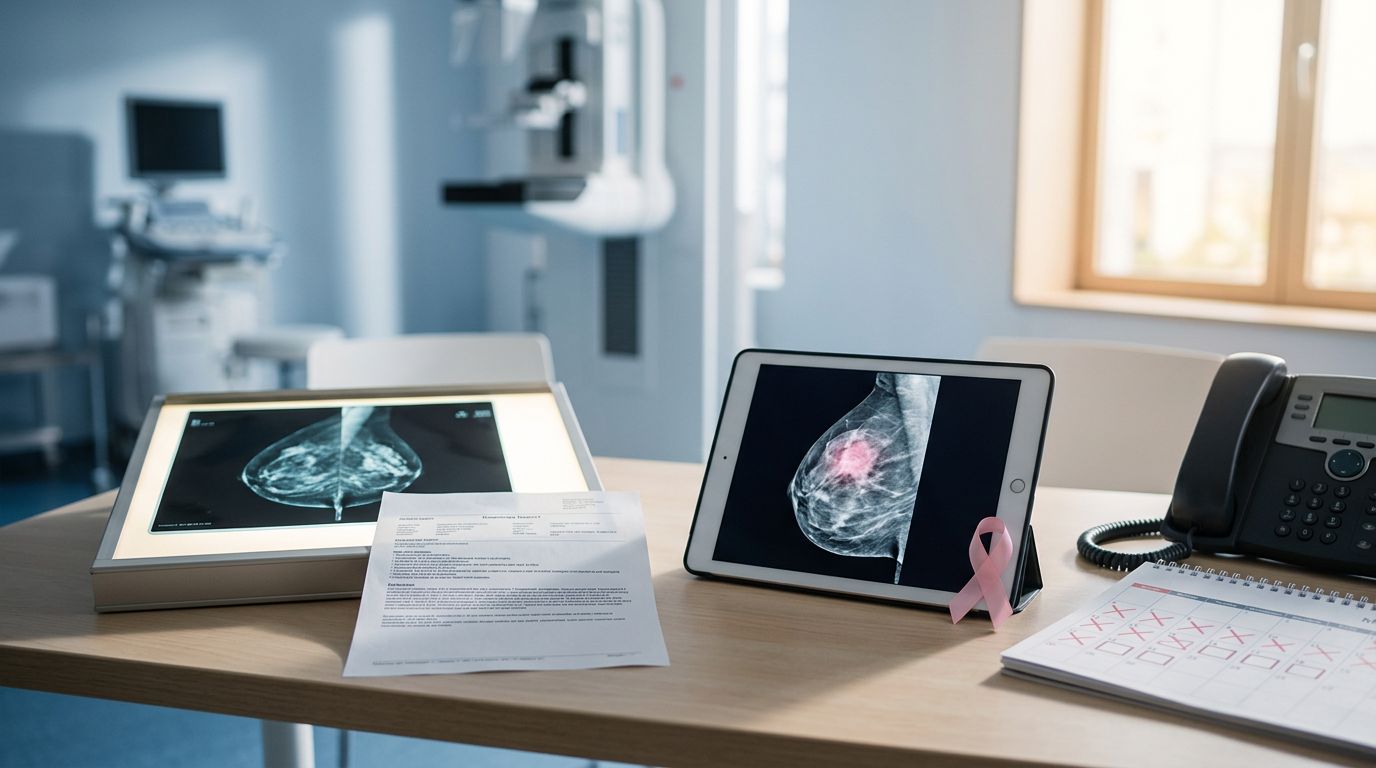
Breast cancer can advance while a patient waits for a test, referral, or call that never comes. Searches for breast cancer misdiagnosis Florida often begin after someone learns that an earlier mammogram, symptom, or report should have led to more testing.
Florida law doesn’t treat every missed cancer as malpractice. A viable claim usually requires proof that a healthcare provider failed to meet the accepted standard of care, and that the delay caused measurable harm. Understanding the medical timeline and preserving records can protect both your health and your legal rights.
How Mammogram Follow-Up Failures Happen
A mammogram follow-up failure may begin with an image that contains a suspicious mass, density, distortion, or other change. The radiologist may miss the finding, misread it as benign, or fail to compare it with earlier images.
Follow-up problems can also happen after the radiologist completes the report. A primary care doctor may receive an abnormal result but fail to tell the patient. A referral may be ordered but never scheduled. A breast center may fail to contact someone who misses an appointment.
Common failures include:
- A radiologist overlooks a mass or fails to recognize that it has changed.
- A provider doesn’t compare current images with prior mammograms.
- An abnormal result receives no diagnostic mammogram, ultrasound, biopsy, or specialist referral.
- A doctor dismisses a persistent lump or symptom after a normal screening result.
- A healthcare system fails to track an overdue test or communicate the need for follow-up.
- A pathology result is delayed, misread, or not sent to the treating physician.
Mammography has limits, especially when breast tissue is dense or a cancer appears subtle. A missed finding alone doesn’t establish negligence. Published research on missed breast cancers has identified the absence of comparison with earlier mammograms as one factor that can contribute to missed diagnoses.
A Normal Mammogram May Not End the Investigation
A screening mammogram is different from diagnostic testing. Screening looks for signs in people without known symptoms. Diagnostic imaging evaluates a specific concern, such as a lump, nipple discharge, skin change, or abnormal screening result.
If symptoms continue, a normal screening report may not resolve the issue. The provider may need to order additional imaging or refer the patient for further evaluation. The correct next step depends on the symptoms, images, history, and clinical judgment.
Patients reviewing Florida radiology malpractice lawsuits can learn more about how image interpretation, reporting, and delayed referrals may affect a medical malpractice claim.
Breast Cancer Misdiagnosis Florida: What a Claim Must Prove
A breast cancer misdiagnosis Florida claim generally requires more than evidence that a doctor reached the wrong conclusion. Cancer diagnosis involves difficult medical decisions, and a poor outcome doesn’t automatically show that someone acted negligently.
The legal analysis usually focuses on four connected questions:
- Did the provider owe the patient a duty of care?
- Did the provider breach the accepted medical standard?
- Did that breach cause a delay or other injury?
- Did the patient suffer financial, physical, or emotional damages?
For example, a radiologist may have breached the standard of care by failing to identify a growing mass on a mammogram that a reasonably careful radiologist would have recognized. The patient must still show that the missed finding caused a harmful delay.
Causation often becomes the central dispute. A lawyer and medical experts may need to determine whether earlier diagnosis probably would have led to less invasive treatment, a better prognosis, a lower stage, or a greater chance of survival. The claim must connect the error to the harm with medical evidence.
A delayed diagnosis can be legally significant even when the original report looked reassuring, but the records must show what timely follow-up would probably have changed.
Florida data shows why delayed cancer diagnosis claims receive close attention. Researchers reviewing 811 paid cancer-related malpractice claims in the Florida Office of Insurance Regulation database from 2005 through 2015 found that delayed diagnosis accounted for 49.8 percent of claims. Breast cancer made up 22.7 percent of the delayed-diagnosis claims, while radiology was the specialty most often identified.
Those figures describe paid claims, not every diagnostic error. They also don’t predict the value or outcome of an individual case. Still, they show how often delays, breast cancer, and radiology appear together in Florida malpractice records.
For more detail about the legal elements, deadlines, and expert review involved in misread mammogram claims in Florida, review the related case information before deciding how to proceed.
Evidence That Can Reveal a Missed Diagnosis
Medical records often tell the story in pieces. The mammogram report may say one thing, the primary care note may say another, and the scheduling record may show that nobody completed the referral. A lawyer must assemble those pieces into a clear timeline.
Important evidence may include:
- The original mammogram images, not only the written report.
- Prior mammograms used for comparison.
- Radiology reports and any amended reports.
- Primary care, gynecology, oncology, and breast surgery records.
- Ultrasound, MRI, biopsy, and pathology results.
- Referral orders, appointment records, and cancellation histories.
- Telephone notes, patient portal messages, and letters about results.
- Records showing when a doctor received or reviewed the report.
- Treatment bills, wage records, disability records, and future-care estimates.
Patients should request the actual imaging files when possible. A written report may describe a study as normal, but a medical expert needs to review the images to assess whether the interpretation met the standard of care.
Build a Date-by-Date Medical Timeline
Write down when you noticed symptoms, scheduled the mammogram, received results, contacted a provider, attended follow-up visits, and received the cancer diagnosis. Include names of providers and facilities. Save portal messages and appointment reminders.
The timeline can reveal a gap that isn’t obvious in a single record. For example, a report may recommend diagnostic imaging, but the chart may show that no order was placed for several months. In another case, the patient may have repeatedly reported a lump while providers relied on an earlier screening result.
A medical expert will also compare the timing of diagnosis and treatment. The question is whether the delay caused a meaningful change in the patient’s condition or treatment options. A medical expert discussion of delayed breast cancer diagnosis describes why that medical connection often determines whether a claim can move forward.
Florida Deadlines and the Pre-Suit Process
Florida medical malpractice claims have strict deadlines. In many cases, the patient has two years after discovering, or when the patient should have discovered, the malpractice. A four-year statute of repose may also apply, measured from the negligent act. Exceptions can affect these deadlines, including some situations involving concealment or other legally recognized circumstances.
The deadline may not begin on the day of the cancer diagnosis. It can depend on when the patient knew, or reasonably should have known, that the provider’s conduct may have caused harm. Because the dates can become disputed, waiting for treatment to end may put the claim at risk.
Florida also generally requires a pre-suit investigation before filing a medical malpractice lawsuit. The attorney must review the records, consult an appropriate medical expert, and determine whether reasonable grounds support the claim. The process may involve sending formal notice to the healthcare provider and allowing time for a response.
A Florida delayed cancer diagnosis claim may involve additional questions about discovery, repose, expert testimony, and pre-suit requirements. Early legal review gives counsel more time to obtain imaging, locate qualified experts, and protect evidence.
What to Do After Learning About a Possible Delay
Continue obtaining medical care first. A legal review shouldn’t interrupt treatment, second opinions, or recommended testing. If you believe an earlier result was mishandled, ask your current doctor what follow-up is medically appropriate.
Then take practical steps:
- Request complete records from every provider and facility involved.
- Ask for mammogram images and prior studies in their original digital format.
- Create a timeline of symptoms, appointments, results, referrals, and treatment.
- Preserve bills, pay records, insurance documents, and communications with providers.
- Speak with a Florida medical malpractice attorney before signing a release or accepting a settlement.
Don’t assume that a later diagnosis proves the first provider made a legal error. Don’t assume a normal report ends the matter either. The images, timing, symptoms, communications, and medical consequences all need review.
Damages may include additional treatment costs, lost income, reduced earning capacity, pain, emotional distress, and future medical care. If the patient dies, surviving family members may have claims under Florida’s wrongful death laws, depending on the facts and applicable deadlines.
Protecting Your Rights After a Delayed Breast Cancer Diagnosis
A missed mammogram finding or failed referral can create a dangerous gap between the first warning sign and effective treatment. Yet a successful claim depends on more than the existence of that gap. It requires medical evidence showing that the provider fell below the accepted standard and that the delay caused identifiable harm.
If you are researching breast cancer misdiagnosis Florida cases, gather the complete imaging and medical record before memories and electronic records become harder to reconstruct. A prompt review can clarify what happened, which providers were involved, and whether Florida’s deadlines leave time to pursue compensation.