
Florida Apartment Electrical Shock Claims: Exposed Wiring
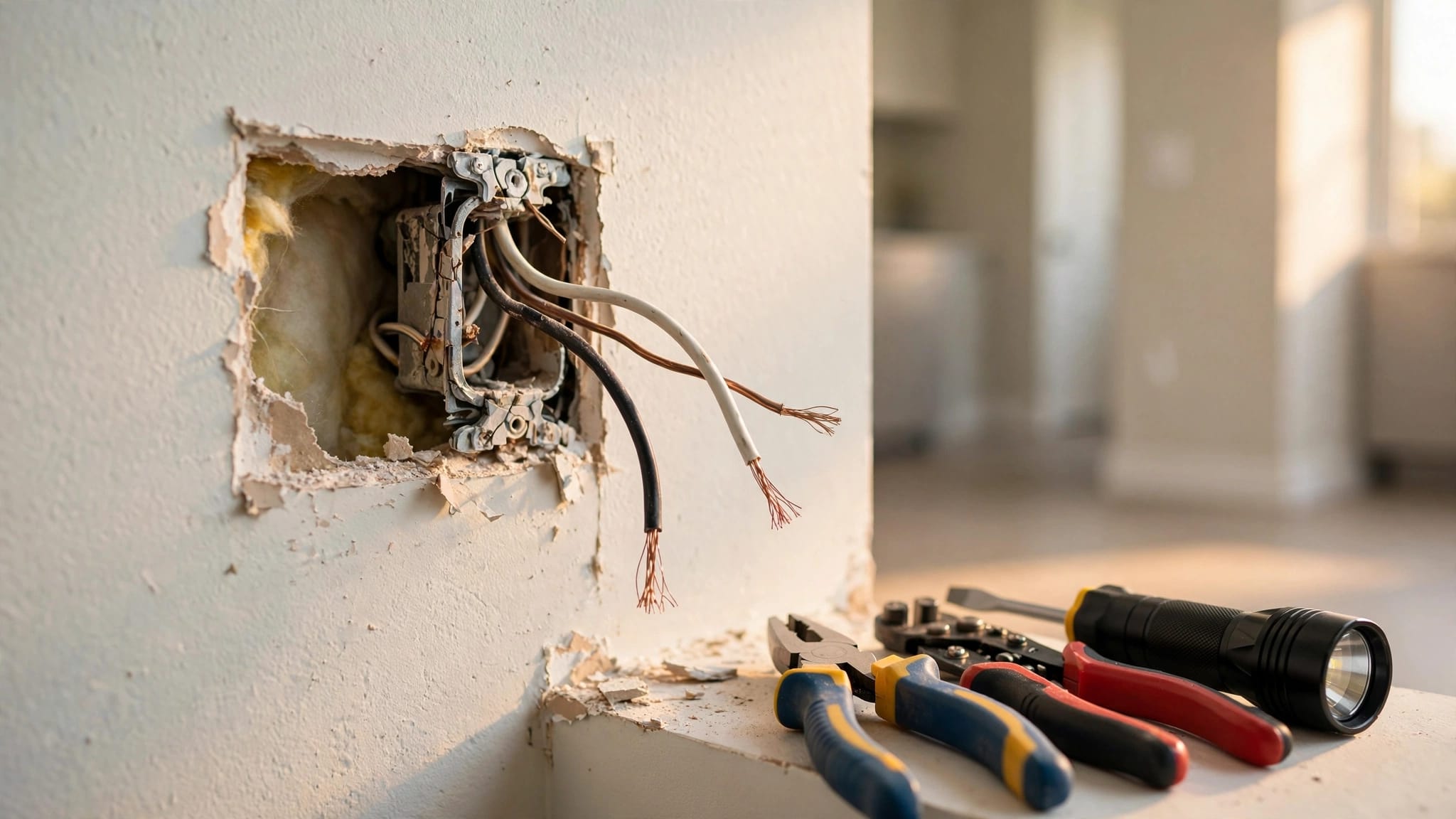
An electrical shock in a Florida apartment can support an injury claim when negligent maintenance or electrical work caused the harm. Exposed wiring is important evidence, but a claim must connect the hazard to a responsible party and your injuries.
Your first priorities are medical care and avoiding further contact with electricity. Then, preserving evidence before repairs change the scene can help establish what happened.
Responsibility often turns on who controlled the wiring, what warning signs existed, and whether reasonable repairs could have prevented the injury.
Key Takeaways
- A landlord, property manager, or electrical contractor may bear responsibility, depending on their duties and conduct.
- Maintenance complaints, inspection records, photographs, and removed components can help establish the cause and history of the hazard.
- Emergency electrical repairs should proceed, while qualified professionals document conditions when safely possible.
- Florida filing deadlines continue while insurers investigate, and an injured person’s share of fault can affect recovery.
Get Medical Care and Keep Away From the Wiring
Electrical injuries can involve burns, heart rhythm disturbances, nerve damage, or trauma from a fall. A small mark on the skin doesn’t reliably show the extent of an injury.
Call 911 if someone remains in contact with electricity or has serious symptoms, including chest pain, breathing difficulties, confusion, or loss of consciousness. Don’t touch someone who remains connected to an energized source.
The federal government’s electrical injury first-aid guidance advises turning off the current only when it is safe. Don’t approach exposed wiring, standing water near electrical equipment, or an unsafe panel to attempt a shutdown.
Seek prompt medical evaluation after an electrical shock. Tell the treating provider where the contact occurred, which body parts were involved, and whether you fell or lost consciousness. Report symptoms accurately, including weakness, numbness, dizziness, or chest discomfort.
Also notify apartment management about the immediate hazard so it can restrict access and arrange qualified repairs. Keep a copy of that report, but don’t delay emergency care to complete an incident form or collect photographs.
Who May Be Responsible for an Apartment Electrical Shock?
A negligence claim generally requires proof of a duty of care, a failure to meet that duty, causation, and damages. Identifying the building’s owner is only the beginning.
Landlords and Property Managers
Under Florida’s landlord maintenance statute, landlords must comply with applicable building, housing, and health codes throughout the tenancy. The lease, location of the hazard, and parties’ actual responsibilities also matter.
A landlord may control wiring inside a rental unit, while a management company receives complaints and arranges repairs. Common areas, such as laundry rooms, stairwells, and shared hallways, require attention to who maintained and controlled them.
For a failure-to-repair claim, evidence of actual or constructive knowledge is often central. Constructive knowledge concerns what reasonable care should have revealed. The investigation must also address whether the responsible party had enough time to correct the danger.
Electrical Contractors and Other Responsible Parties
An electrical contractor may face a claim if negligent installation or repair created the dangerous condition. Maintenance personnel may also bear responsibility when their work leaves energized components accessible.
Service contracts, invoices, work orders, and communications help distinguish each party’s role. A company hired for one limited task doesn’t automatically become responsible for every electrical condition in the building.
An electrical expert may need to identify the fault and explain how it caused the shock. That technical evidence must connect with witness accounts and medical findings.
Preserve Evidence Before Repairs Change the Scene
Electrical repairs can remove the component that explains an injury. However, preserving evidence must never require leaving a dangerous circuit energized or delaying necessary safety work.
Document the Location Without Touching Anything
From a safe position, photograph the location, surrounding area, damaged outlet or fixture, and any visible warning signs. Keep original photographs and recordings, including their available date and time information.
Write down what you were doing immediately before the shock. Record the location, time, witnesses, and statements made by maintenance staff or management. Distinguish what you personally observed from what someone later told you.
Don’t remove wiring, open panels, or test the circuit yourself. Counsel can request preservation of removed parts and coordinate professional inspections.
Emergency repairs should proceed. Documentation before and during the work can preserve evidence without keeping an electrical hazard in service.
Preserve Maintenance and Inspection Records
Save emails, maintenance-portal submissions, text messages, repair acknowledgments, and photographs from before the incident. These records can establish when management learned about a loose outlet, damaged insulation, recurring sparks, or another reported problem.
Inspection reports, permits, correction notices, and contractor invoices may reveal earlier work or unresolved concerns. A passing inspection is one piece of evidence; it doesn’t settle the condition of the wiring when the injury occurred.
If the shock happened around an apartment complex’s swimming pool, additional electrical systems require attention. Our discussion of Florida pool electrical shock claims addresses why bonding, grounding, and ground-fault protection require separate analysis.
Connect the Electrical Hazard to Your Losses
Compensation depends on evidence connecting the incident to physical injuries and resulting losses. A photograph of damaged wiring cannot replace medical proof of what the shock caused.
Treatment records may document burns, neurological symptoms, muscle injuries, cardiac findings, or injuries sustained in a fall. Follow-up records help explain whether symptoms resolved or require continuing care.
A claim may seek medical expenses, rehabilitation costs, lost earnings, reduced earning capacity, and pain and suffering. Future losses require support, such as a treatment prognosis or evidence of lasting work limitations. Scarring and permanent impairment may also affect damages.
Keep bills, receipts, prescriptions, discharge instructions, therapy records, and written work restrictions. For missed work, preserve pay records and employer communications showing the dates and earnings involved. Self-employed people may need business records that establish lost income.
Also describe practical limitations accurately. Difficulty gripping tools, climbing stairs, sleeping, or performing household tasks can matter when supported by the medical evidence.
There is no reliable standard settlement amount for an apartment electrical shock. Injury severity, disputed responsibility, lasting limitations, and available insurance all affect the evaluation. A quick offer made before the prognosis is clear may overlook future needs.
Florida Filing Deadlines and Shared Fault
A maintenance complaint, an insurance claim, and a lawsuit are different steps. Reporting the incident doesn’t itself satisfy the deadline for filing suit.
The Negligence Filing Period
For negligence causes of action accruing after March 24, 2023, Florida’s statute of limitations generally provides two years to file suit. Earlier negligence claims generally fell under the former four-year period.
The applicable deadline depends on the claim and circumstances. Claims involving public entities can require separate notice procedures, while wrongful death and other legal theories need their own analysis.
Insurer negotiations, maintenance-record requests, and an ongoing investigation don’t automatically pause the clock. Early legal review also gives counsel time to identify defendants before evidence disappears.
How Shared Fault Can Affect Recovery
Under Florida’s comparative fault law, an injured person’s percentage of responsibility can reduce damages. In covered negligence actions, someone found more than 50% responsible for their own harm generally cannot recover.
A defense may allege that the tenant altered wiring, ignored warnings, or attempted an unsafe repair. Those allegations require evidence.
Whether wiring was visible doesn’t establish how a person encountered it or understood the risk. Photographs, witness accounts, repair records, and expert analysis help explain whether the contact occurred during ordinary use or under different circumstances.
Frequently Asked Questions About Apartment Shock Claims
Can I Have a Claim Without a Prior Written Complaint?
Yes, depending on the evidence. A written complaint can establish actual notice, but other evidence may show that the responsible party knew or should have known about the danger.
Earlier repairs, staff observations, inspection findings, or the condition’s duration may matter. A contractor’s creation of the hazard can also present a different issue from a landlord’s failure to discover it.
Should I Accept a Payment From the Landlord’s Insurer?
A settlement release can end your right to seek additional compensation, even if later treatment reveals more serious injuries. Understand the scope of any release before signing it.
An initial payment offer doesn’t establish the full value of your losses. Legal review can address the proposed terms, available medical evidence, and whether future care or lost earnings remain unresolved.
Do I Need to Move Out to Pursue an Injury Claim?
Moving out is generally not a prerequisite to seeking compensation for an electrical injury. Whether an apartment is safe to occupy is a separate issue that requires prompt attention.
An injury claim also differs from a lease-termination or rent dispute. Don’t assume that reporting a shock authorizes withholding rent or ending the lease without following the applicable legal requirements.
Protect Your Health and Your Electrical Injury Claim
An apartment electrical shock claim depends on a clear connection between the unsafe condition, the responsible party’s conduct, and documented harm. Prompt treatment and early evidence preservation protect that connection.
Keep available medical records, maintenance messages, original photographs, and witness information together. Leave electrical testing and repairs to qualified professionals.
At Avard Law Offices, we offer free case evaluations for Florida personal injury matters. We can review the circumstances, discuss potential responsibility, and address filing deadlines while you focus on recovery.