
Can You Sue a Florida City for an Injury on Public Property?
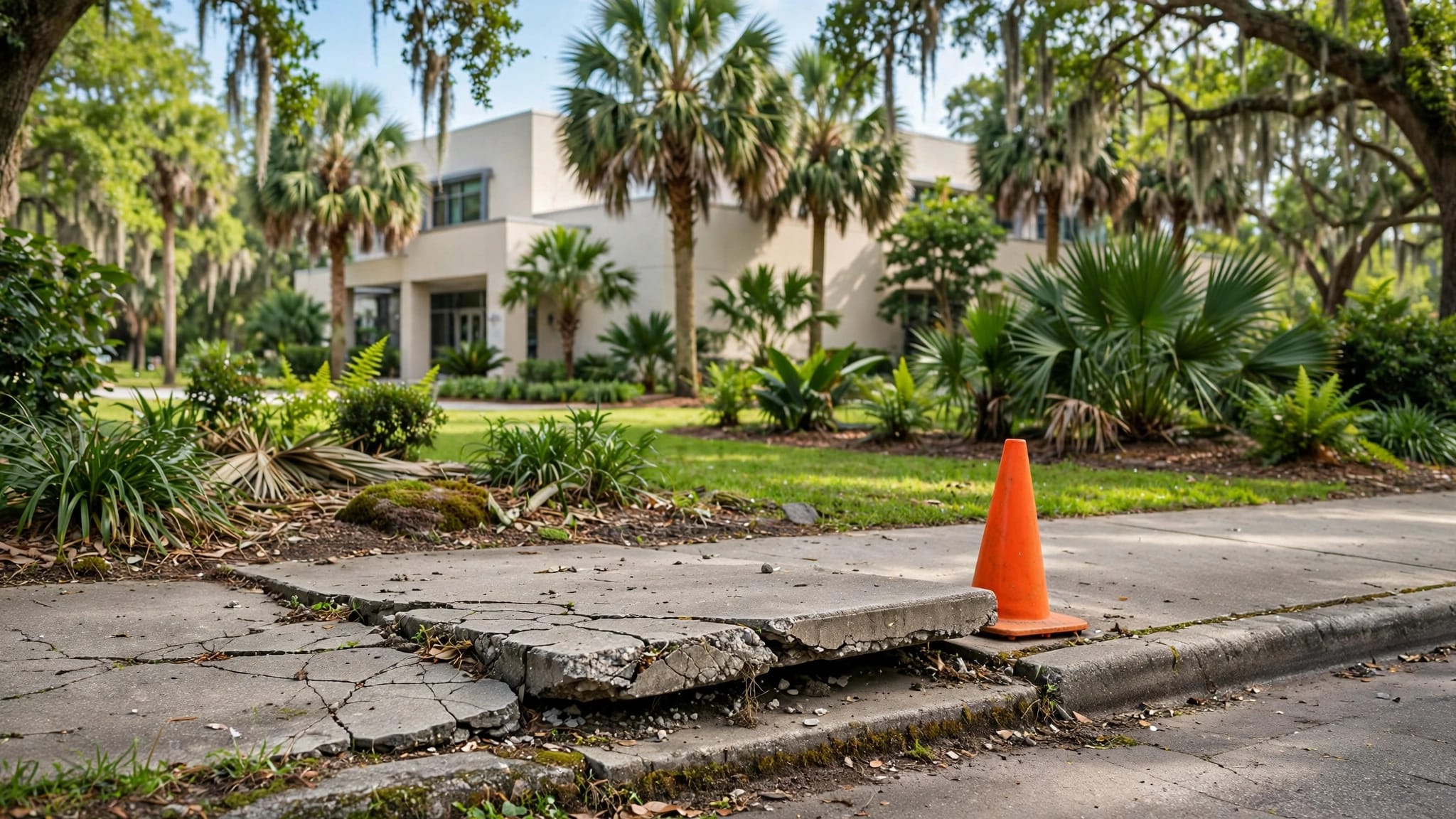
Yes. You can sue a Florida city for an injury on public property when the evidence supports a negligence claim and you meet the state’s government-claim requirements. A city-owned sidewalk, park, or building doesn’t automatically make the city responsible for every injury there.
These cases involve separate notice and filing deadlines, as well as limits on recovery. Understanding who controlled the hazard is a starting point.
Key Takeaways
Florida allows certain injury claims against cities, but the injured person must establish negligence and resulting harm. The city’s ownership of a property is only one part of that analysis.
Most covered claims require written notice to the appropriate agency. A separate lawsuit deadline can arrive before the general three-year notice period ends. Florida law also places limits on the amount recoverable from a government entity under its waiver of sovereign immunity.
How a Lawsuit Against a Florida City Works
Florida cities have legal protections known as sovereign immunity. However, the state has waived that immunity for certain negligence claims, subject to conditions in Florida Statutes section 768.28.
The law permits covered claims when a government employee’s negligent act or omission occurred within the scope of employment and a private person would be liable under comparable circumstances. The statute also applies procedural requirements and recovery limits.
For an injured visitor, that means two questions matter. First, did the city or an employee have legal responsibility for the condition? Second, did a failure to use reasonable care cause the injury?
The answer depends on the facts. A fall on public property can justify an investigation, but the location alone doesn’t establish a valid claim. Government-immunity issues may also affect the legal analysis, even when an injury and a hazardous condition are documented.
What You Must Prove After an Injury on Public Property
A Florida city injury lawsuit generally requires evidence of a duty of care, a breach of that duty, causation, and damages. The evidence needed will depend on the property, the hazard, and how the injury occurred.
The City’s Connection to the Hazard
A damaged sidewalk, broken park equipment, or loose handrail may be relevant. Your claim must connect the condition to conduct for which the city can be held legally responsible.
Records can help establish that connection. Maintenance logs, repair requests, inspection reports, and prior complaints may show who handled the area and what information was available before the injury.
For a fall involving steps or a railing, our discussion of Florida stairway fall claims describes records that can matter when identifying responsibility.
The Connection Between the Hazard and Your Injury
The condition must also have caused your injury. Medical records, photographs, and witness accounts can help explain how the incident occurred and what harm followed.
Keep evidence of financial losses as well. Medical bills and wage records help document damages, while treatment notes may address physical limitations and future care needs. A photograph of a broken surface is useful, but it doesn’t replace proof of the injury itself.
Who Is Responsible for the Property?
A place can appear public without being controlled entirely by a city. Identifying the correct parties is important because the rules for government claims differ from those for private defendants.
City Ownership and Control
The city may own or maintain a park, sidewalk, parking area, or public building. Even so, responsibility can depend on the exact location of the hazard and the agreements governing that area.
For example, different entities may handle a walkway and an adjoining property. Maintenance agreements and property records can help identify who had authority over the location. Our guide to Florida walkway injury claims explains why the precise segment of a path matters.
Contractors and Other Public Entities
A county, state agency, school district, or private contractor may have a role at a location associated with a city. A contractor may have performed repair work, while another entity may manage inspections or maintenance.
More than one party can be involved, but an agreement or public ownership alone doesn’t prove liability. Investigation helps determine each party’s duties and conduct. Different defendants may also have different notice requirements and defenses.
Written Notice Comes Before a Lawsuit
Florida’s government-claim process generally requires written notice to the appropriate agency before suit. For a claim against a city, that ordinarily means presenting the claim to the municipality.
Notice to the City and the State
Under section 768.28, written notice for most covered claims generally must be provided within three years after the claim accrues. For wrongful-death claims, the general notice period is two years.
Many government claims also require notice to the Florida Department of Financial Services. The statute provides an exception to that additional department notice for claims against municipalities, counties, and the Florida Space Authority.
The exception doesn’t remove the requirement to notify the appropriate agency. If another government entity may also be responsible, its notice requirements need separate attention.
An Incident Report Isn’t Always Legal Notice
Telling a park employee about a fall or submitting an incident report doesn’t necessarily satisfy formal claim-presentment requirements. A complaint about a hazard before an injury is also different from notice of an injury claim afterward.
Our explanation of Florida public-entity injury claims discusses why notice and lawsuit deadlines require separate attention. An attorney can help identify the appropriate recipient and prepare the claim.
The Notice Period and Filing Deadline Are Different
The general three-year notice period isn’t permission to wait three years before speaking with a lawyer. A separate deadline may require the lawsuit to be filed sooner.
Many Negligence Claims Have a Two-Year Deadline
For many Florida negligence claims arising on or after March 24, 2023, the general lawsuit filing period is two years. Older claims generally followed a four-year negligence period, while the claim type, defendant, and applicable exceptions can change the analysis.
The Florida Statutes contain the state’s limitations rules. A lawyer can assess the deadline that applies to your circumstances, including any rules affecting a government defendant.
An open insurance file, a records request, or settlement discussions don’t automatically preserve your right to sue. You also don’t need to wait until treatment ends to seek legal advice.
The City Generally Gets Time to Respond
A claimant ordinarily must receive a written denial before filing suit. If the appropriate agency makes no final disposition within six months after the claim is filed, the claim is generally deemed denied for purposes of the statute.
An earlier written denial can affect when the case may proceed. The response period isn’t automatically extra time added to the filing deadline, so notice and filing dates should be considered together.
Evidence to Preserve After an Injury
Evidence can disappear long before a filing deadline. If you’re able, document the scene and seek medical care promptly. Ask someone you trust to help if your injuries prevent you from doing so.
Details About the Scene
Photograph the condition, the surrounding area, and any available warnings. Record the location as precisely as possible, including the address and the part of the property where the incident occurred.
Keep the names and contact information of witnesses. If a camera may have captured the incident, tell your attorney promptly so preservation can be addressed. A city may repair a hazard after an injury, making earlier photographs and reports especially useful.
For a fall involving a damaged lot, parking lot maintenance records can help establish who handled inspections and repairs.
Medical and Financial Records
Tell your medical providers how the injury happened and describe your symptoms accurately. Keep discharge papers, treatment records, bills, and documentation of missed work.
A record of daily limitations can also help you describe how the injury affected your life. Include changes in mobility, activities you couldn’t perform, and help you needed at home. If you had a prior condition, give your providers and attorney an accurate history.
Compensation and Government Recovery Limits
A claim may include medical expenses, lost income, and pain and suffering when the evidence and law support them. Future care or reduced earning capacity may also be part of a claim if supported by appropriate evidence.
The General Statutory Limits
Florida’s sovereign-immunity statute generally limits recovery under the waiver to $200,000 per person and $300,000 for all claims arising from one incident or occurrence.
These figures are recovery limits under the statute. They don’t mean a person’s actual damages can’t exceed those amounts. When several people are injured in the same incident, the per-occurrence limit is especially important to the analysis.
Documenting the Full Loss
Keep records of treatment and income loss even when a statutory limit may apply. The value of a claim depends on evidence, and the responsible parties may include a private defendant whose liability requires separate analysis.
Before signing a release, understand which claims and parties it covers. A settlement can affect your ability to seek additional compensation, so an attorney can review the proposed terms with you.
How Shared Fault Can Affect a Claim
The city or its insurer may argue that you contributed to your injury. For example, it may point to a warning, lighting conditions, or the route you took. Those arguments aren’t final legal findings.
Florida’s comparative negligence rules can reduce damages based on an injured person’s share of fault. In most covered negligence cases, someone found more than 50% responsible generally cannot recover.
Evidence about visibility, the condition of the property, and available routes can help address a fault allegation. Witness accounts and photographs may be useful when the city’s description differs from what you experienced.
Frequently Asked Questions
Can I Sue If the City Fixed the Hazard?
A repair after your injury doesn’t automatically end a claim. Photographs, prior complaints, inspection records, and witness accounts may help establish the condition at the time of the incident. The legal significance of a later repair depends on the circumstances.
Does a Warning Sign Prevent a Claim?
A sign doesn’t automatically resolve liability. Its location, visibility, wording, and relationship to the hazard can matter. The condition of the property and the conduct of the parties remain important to the analysis.
Can a Child’s Family Bring a Claim?
A family may have a claim after a child is injured on public property. The child’s age, the condition involved, and the responsible parties matter. Our discussion of claims involving child injuries addresses issues that can arise around dangerous property conditions. A child’s age doesn’t automatically extend every deadline until adulthood.
Do I Need to Finish Treatment Before Contacting a Lawyer?
No. A lawyer can begin identifying parties, preserving evidence, and assessing deadlines while you receive care. Your medical condition may continue to develop, but waiting for a final diagnosis can leave less time to protect your claim.
Get Legal Help With a City Injury Claim
A city can be sued for an injury on public property, but a successful claim depends on evidence and compliance with government-claim rules. Early attention to notice and filing deadlines can protect your options while the facts are investigated.
We offer free consultations for personal injury matters. Contact us to discuss where you were injured, what happened, and the evidence available.