
Florida Daycare Injury Claims After a Child Wanders
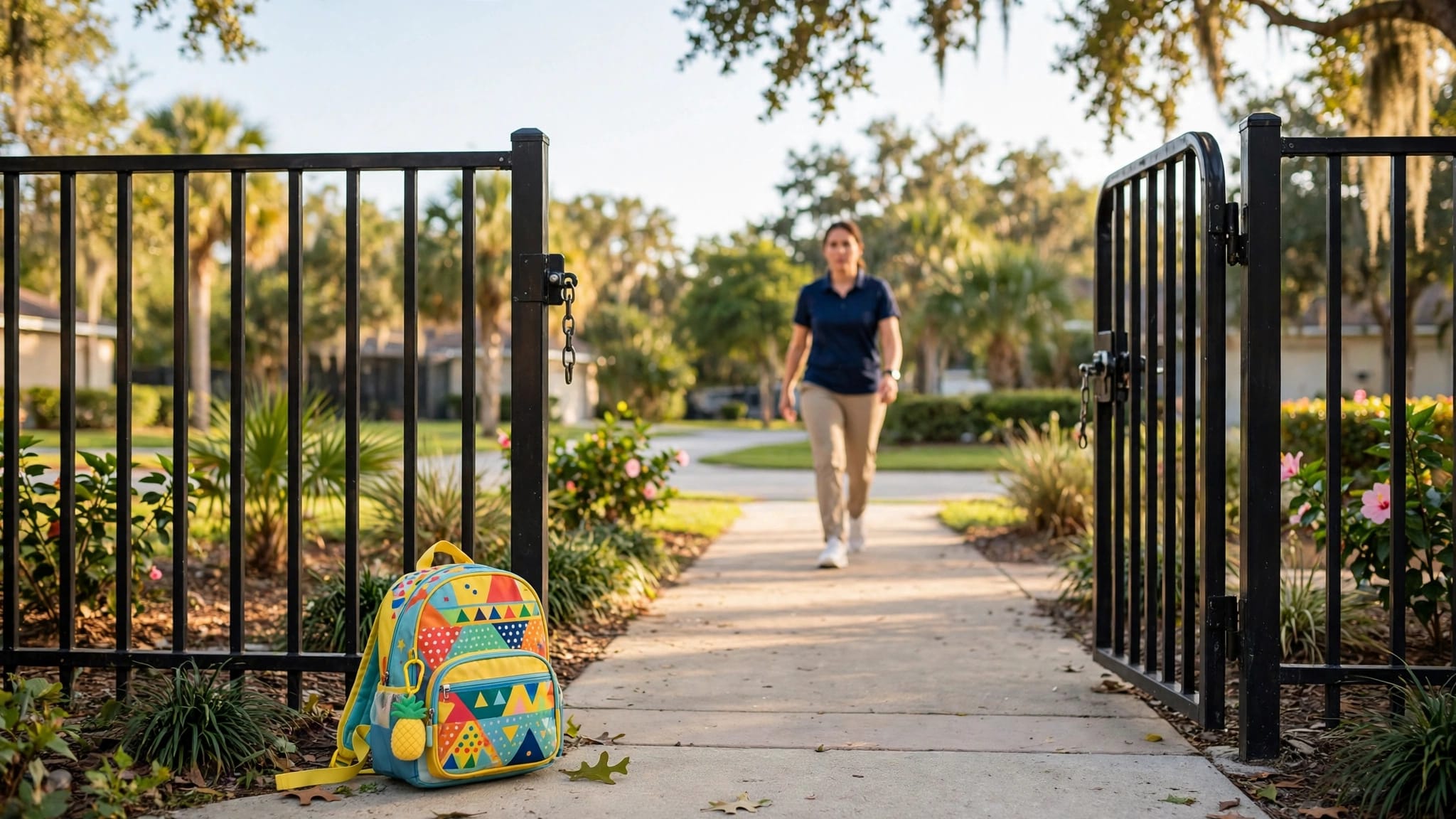
You may have a Florida daycare injury claim if inadequate supervision allowed your child to wander away and suffer harm. A claim requires proof that the daycare’s failure caused the injury, not simply that your child left a classroom or playground.
Your child’s medical needs come first, but preserving evidence also deserves prompt attention because cameras may overwrite footage. Start by documenting what happened before the daycare’s explanation becomes the only written account.
Key Takeaways for Parents
- A daycare’s supervision duties continue during playground time, transitions, field trips, and transportation.
- Incident reports, video, attendance records, and staff assignments can connect a supervision failure to an injury.
- Florida generally allows two years for negligence lawsuits, and a child’s age doesn’t automatically extend that deadline until adulthood.
What to Do After Your Child Wanders Away
Take these steps once your child is safe:
- Obtain medical evaluation. Seek prompt medical attention, even for injuries that seem minor, and follow the clinician’s recommended medical treatment. Call 911 for breathing problems, altered consciousness, suspected drowning, or other emergencies. Tell the clinician where your child was found and what exposure or injury may have occurred.
- Request the written incident report. Ask when staff last accounted for your child, when they noticed the absence, where the child was found, and who responded. Keep the original report and any later revisions.
- Document the escape route. Photograph doors, latches, fences, nearby traffic, water hazards, and the location where your child was found. Take both wide views and close-ups without entering restricted property.
- Preserve communications and physical evidence. Save emails, texts, voicemail, clothing, photographs, and witness contact information. Record your child’s spontaneous statements accurately without repeatedly questioning or coaching them.
- Report safety concerns and seek legal advice. Contact the Florida Department of Children and Families about licensing concerns. Suspected abuse or neglect warrants reporting to the Florida Abuse Hotline at 1-800-962-2873. Don’t sign a settlement agreement before understanding its effect.
A licensing complaint and an insurance claim have different purposes. Neither automatically files a lawsuit or protects the filing deadline.
Proving a Florida Daycare Injury Claim
A parent pursuing a daycare negligence claim must establish duty, breach, causation, and damages. A child wandering away alone doesn’t establish liability.
Establish the duty and supervision failure
A daycare responsible for your child owes a duty of care. The evidence must show that staff breached that duty through inadequate supervision, unsecured exits, missed headcounts, or other preventable failures.
Negligent supervision can involve inaction. Staff may fail to respond to an open gate, investigate a missing child, or communicate responsibility during a classroom transition.
Meeting the required staff-to-child ratio doesn’t settle the issue. Enough employees may be present while nobody watches the exit or accounts for each child.
Connect the failure to the actual injury
The evidence must explain how the supervision failure caused harm. For a gate-related injury, that means connecting the gate’s condition, the child’s route, staff responsibilities, and the location of the injury.
Medical records establish the harm and treatment needs, including injuries such as a fracture, heat illness, or traumatic brain injury. A frightening disappearance without documented physical or psychological harm raises different compensation questions than one followed by a medically supported injury.
An incident report calling the event an “accident” doesn’t resolve these questions. Video, witness accounts, and medical findings may support a different explanation.
Florida Supervision and Transportation Rules
Florida’s licensing requirements help define safe childcare, but a violation still must connect to the injury.
Facility standards extend beyond staffing numbers
Florida Statute 402.305 establishes minimum standards covering personnel screening, staff-to-child ratios, discipline, and facility safety. DCF’s childcare laws and requirements provide the governing framework.
Florida Administrative Code Chapter 65C-22 and its incorporated handbooks address supervision, ratios, sanitation, and emergency preparedness. Florida Administrative Code Rule 65C-22.001, within that chapter, incorporates general facility requirements, as detailed in Rule 65C-22.001.
Investigators should examine the child’s age group, actual staffing, attendance, and activity underway. A classroom roster doesn’t establish who watched the children outside.
Vehicle safeguards require more than an alarm
Since January 1, 2022, covered daycare transportation vehicles must have a DCF-approved alarm prompting the driver to inspect for children before exiting. The requirement supports physical and visual checks, but doesn’t replace them.
Covered vehicles require annual inspections. Drivers must hold a valid driver’s license appropriate for the vehicle and obtain annual medical approval to drive.
Staff must maintain a transportation log for each trip and account for children boarding and leaving. After a daycare van accident, compare the child’s name, departure and arrival times, check marks, and required signatures against attendance records, video, and witness accounts. A completed log alone doesn’t establish compliance or fault.
Records That Can Reveal a Supervision Failure
Preservation should begin before an internal investigation ends. Families may obtain some records directly, while others require an attorney’s request or formal discovery.
Reconstruct the timeline before footage disappears
Request preservation of surveillance footage, incident reports, attendance sheets, classroom assignments, staff schedules, training records, and communications about the incident. Include electronic check-in data and transportation records when relevant.
Ask that footage cover the period before the disappearance through the child’s recovery. The earlier recording may reveal an unsecured door or a missed headcount.
For playground injuries involving equipment, our guidance on playground inspection and supervision records explains why repair history and daily checks also matter.
Look for earlier warnings and licensing findings
DCF’s Child Care Provider Search includes provider profiles and three-year inspection histories. Search the facility’s exact name and address, then save reports addressing supervision, staffing, exits, or transportation.
Earlier violations may help establish notice of a recurring problem. Nevertheless, a clean inspection doesn’t prove adequate supervision on the injury date.
Also preserve complaints about broken gates, wandering incidents, or staffing shortages. A preservation request helps identify records at risk, but it doesn’t guarantee voluntary production.
Who May Be Liable and What Can Be Recovered
A daycare liability investigation should identify who controlled the children, premises, staffing, and transportation. The business name on the building may differ from the legal operator.
Identify responsibility before accepting blame
Potential defendants include the daycare operator, a responsible employee, a transportation contractor, or a property owner responsible for a dangerous condition. Liability depends on each party’s conduct and its connection to the injury.
If the child reached a neighboring pool or hazardous property, Florida attractive nuisance claims may require separate analysis.
Florida Statute 768.81 sets out Florida’s comparative negligence framework and generally reduces recovery according to the claimant’s fault. In covered negligence cases, a claimant more than 50% at fault, including 51%, generally cannot recover. A young child’s conduct requires age-and-capacity analysis; wandering doesn’t automatically establish legal fault.
Document compensation rather than assuming a value
Recoverable losses may include medical bills, rehabilitation, future care, scarring, disability, and pain and suffering. Medical evidence should support anticipated treatment and lasting limitations.
Florida generally doesn’t cap compensatory damages in ordinary negligence claims against private daycare operators. Government defendants can involve separate limits.
Under Florida Statute 768.72, punitive damages require intentional misconduct or gross negligence and additional procedural proof. Ordinary carelessness doesn’t automatically justify them.
Deadlines and the Claim Process
Early review with a Florida personal injury attorney allows time to preserve evidence, identify defendants, and evaluate treatment before settlement discussions consume time available to file.
Two years is the usual negligence deadline
Florida Statute 95.11 generally sets a two-year statute of limitations for negligence actions accruing on or after March 24, 2023. Older incidents and different legal theories require separate analysis.
Minority tolling under section 95.051 is narrow. It can depend on whether an appropriate parent or guardian exists and can act without a conflicting interest. Don’t assume your child has until age 18.
Publicly operated programs may also trigger special notice requirements. Insurance negotiations, records requests, and internal investigations don’t automatically pause deadlines.
Investigation usually comes before a lawsuit
An attorney first reviews medical records, supervision evidence, applicable standards, potential defendants, and insurance coverage. A demand may follow once the evidence supports liability and damages.
If settlement fails, litigation can involve document requests, depositions, expert review, mediation, and trial. There is no reliable standard completion time; disputed liability and ongoing treatment can extend the process.
Many attorneys use contingency fees. Ask your personal injury lawyer to explain the written agreement, including the percentage, litigation expenses, and responsibility for costs. Serious injuries, conflicting accounts, or threatened loss of video justify prompt consultation.
Frequently Asked Questions
Does a signed daycare waiver prevent a lawsuit?
Not automatically. Florida law distinguishes inherent risks from harm caused by negligence. A parent’s signature on a daycare liability waiver doesn’t necessarily waive a child’s negligence claim, and waivers don’t excuse gross negligence or abuse. The document’s language and circumstances matter, so preserve the entire enrollment agreement.
Can parents sue a daycare for abuse?
Yes, abuse can support civil claims against the person responsible and, when supported by evidence, the daycare operator. Claims against the operator may involve negligent hiring, retention, supervision, or other grounds. Criminal and licensing investigations are separate proceedings and don’t automatically protect civil deadlines.
What is the average Florida daycare injury settlement?
No reliable statewide average predicts your child’s recovery. Injury severity, future care, evidence of fault, insurance coverage, and available defendants affect value. A settlement should account for supported future needs, not only current bills. Resolving a minor’s claim may also require court approval.
Do national injury statistics prove negligent supervision?
No. The CPSC’s 2025 playground safety handbook reports an estimated almost 200,000 annual playground-equipment injuries requiring emergency treatment nationwide. Those figures provide safety context, but your claim still requires evidence explaining your child’s particular injury and the daycare’s responsibility.
Protect Your Child’s Claim Before Records Disappear
A Florida daycare injury claim depends on connecting the supervision failure to documented harm. Early preservation can protect the video, staffing records, and communications needed to establish that connection.
At Avard Law Offices, we offer free initial consultations with a child injury attorney to discuss injury claims and the evidence they may require. You don’t need to wait for the daycare’s investigation to finish before seeking legal advice.