
Florida Horseback Riding Injuries: Stable Liability
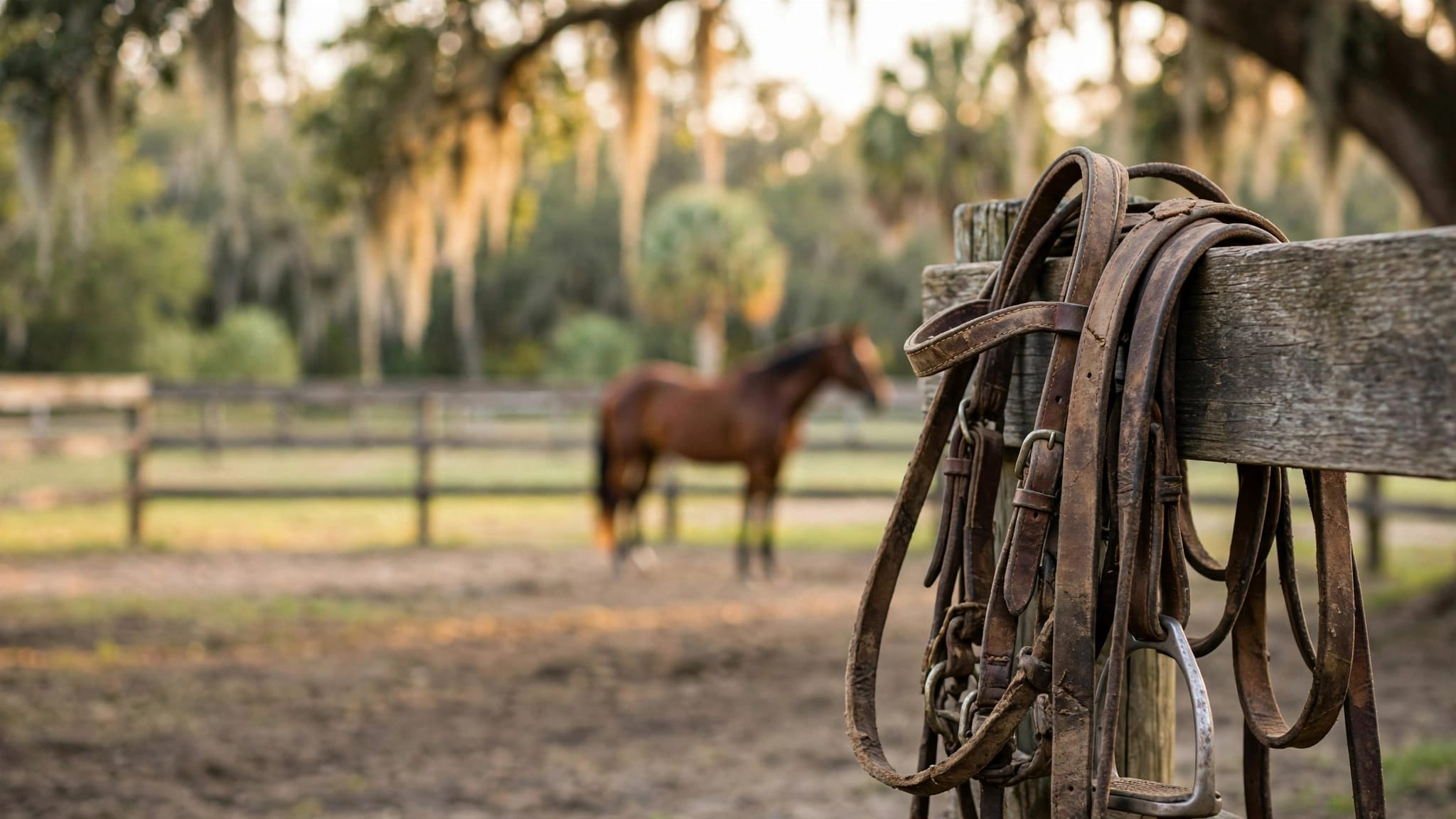
A Florida stable may be liable for a horseback riding injury when unsafe equipment, careless conduct, or another legally actionable failure caused the harm. Florida horseback riding injuries also fall under laws that protect equine businesses against certain claims involving inherent risks.
Those protections don’t automatically resolve every case, and neither does a signed waiver. The central issue is whether evidence connects your injury to a failure for which the stable can be held responsible. Start by separating the activity’s ordinary risks from the specific cause of your injury.
Key Takeaways
- Florida’s equine-liability law limits certain claims, but it also identifies circumstances where liability protections may not apply.
- Faulty tack, inadequate horse-rider assessment, and known hidden property hazards require close investigation.
- Warning signs, signed documents, and the rider’s conduct can affect the legal analysis.
- Preserve equipment evidence, witness information, medical records, and booking documents promptly because important proof can disappear.
How Florida’s Equine-Liability Law Affects Your Claim
Protection depends on the activity and cause
Florida’s equine-activity law, Chapter 773, generally limits liability for injuries or deaths resulting from inherent risks of equine activities. Section 773.02 makes that protection subject to Section 773.03.
That distinction matters. An injury during a riding activity doesn’t establish that an inherent risk caused it. The investigation must identify what happened before the injury and whether equipment, instructions, horse selection, or another condition contributed.
Likewise, the seriousness of a fracture or head injury doesn’t establish negligence. A claim needs evidence supporting responsibility, causation, and recoverable losses.
The law reaches beyond paid trail rides
Chapter 773 covers more than recreational riding. Its definitions include training, teaching, boarding, and normal daily care associated with boarding. Stable and farm owners and operators can qualify as equine activity sponsors.
A participant may be an amateur or professional, and payment isn’t necessary for participant status. Therefore, whether someone purchased a lesson doesn’t settle whether the statute applies.
Section 773.03 also expressly references the horseracing industry under Chapter 550. That wording requires attention alongside Section 773.02’s cross-reference when analyzing the particular activity and asserted defense. Liability shouldn’t be promised or rejected based on one sentence taken out of the chapter.
When a Stable’s Conduct May Support Liability
Faulty tack and inadequate horse-rider assessment
The statutory exceptions to equine-liability protection identify faulty equipment or tack as a potential basis for liability. The person supplying it must have known, or reasonably should have known, about the fault. That fault must also have contributed to the injury.
Equipment condition alone doesn’t answer every question. Inspection records, repair history, photographs, and the accident sequence can establish whether a defect existed before the incident.
The statute also addresses reasonable and prudent efforts to assess the participant’s ability and suitability for the particular horse. The participant’s stated ability matters. Booking questionnaires, lesson records, and conversations with staff can help establish what the stable knew.
Hidden property dangers and negligent conduct
The statute separately addresses a known, dangerous, hidden condition on property that the responsible person lawfully possessed and controlled. Failure to post a warning about that condition must have contributed to the injury.
This requires evidence of knowledge and control. Property ownership alone may not identify who managed the area or knew about the danger.
Section 773.03 also lists negligent conduct, willful or wanton disregard for participant safety, and intentional injury. For negligence and willful or wanton conduct, the required causal connection remains central.
A claim should identify the particular act or omission, who was responsible, and how it caused harm. General statements that a stable was unsafe won’t replace evidence.
Warning Signs and Waivers Need Separate Review
Florida law requires equine activity sponsors and professionals to provide a statutory warning about inherent-risk liability. Facility signs must be clearly visible near where the activity begins.
The warning must use black letters at least 1 inch high, with enough contrast to distinguish them. A signed written warning may substitute for facility posting. An activity held away from the facility requires a written warning.
Photograph the sign’s location and the route you took to the riding area. Preserve every document you received, including electronic forms and signature confirmations. Those materials help establish what warning was provided.
A statutory warning and a contractual liability release are different documents, even when they appear on the same form. A release’s wording, identified parties, signing circumstances, and alleged conduct affect its legal significance.
A warning about inherent risks doesn’t establish whether faulty tack, inadequate assessment, or another preventable failure contributed to the injury.
A missing warning also doesn’t automatically prove the entire claim. The warning requirements must be analyzed alongside the injury’s cause and the applicable liability rules.
Preserve Evidence Before Conditions Change
Medical care comes first. Once immediate needs are addressed, preserving the scene and records can protect evidence that won’t remain available indefinitely.
Record the horse, equipment, and instructions
Save booking confirmations, payment records, rider questionnaires, waivers, and messages with the stable. Write down the horse’s name, staff names, timing, weather, and instructions you remember receiving.
Photograph accessible equipment and the incident location without entering restricted areas or creating another safety risk. If you own the helmet or damaged gear, preserve it without cleaning, repairing, or modifying it. Don’t remove equipment belonging to the stable.
Obtain witness contact information and distinguish what each person actually observed from assumptions about the cause. Also preserve original phone recordings rather than only edited clips.
Request records showing what the stable knew
An attorney can request preservation of surveillance footage, incident reports, equipment inspection records, repair logs, staff training materials, and relevant horse-assignment records.
Earlier complaints or records about the horse’s behavior may help explain what staff knew. However, those records still need a connection to this injury.
As with amusement park injury claims, an operator’s incident report is one piece of evidence, not a final finding of fault. Compare it with witness accounts, photographs, medical records, and equipment findings.
The investigation should also identify separate instructors, property operators, or contractors whose responsibilities may differ from those of the business that accepted payment.
Document Your Losses and Protect the Filing Deadline
Build a medical and financial record
Tell treating providers how the incident occurred and describe symptoms accurately. Include previous injuries so the records can distinguish existing problems from new harm or worsening symptoms.
Keep emergency records, imaging reports, specialist notes, prescriptions, therapy records, bills, and written activity restrictions. For a child, school absences and limitations on ordinary activities can also document the injury’s effects.
Potential compensation may include medical expenses, supported future care, lost earnings, reduced earning capacity, pain and suffering, and disability. The available recovery depends on the evidence and applicable law.
Describe limitations concretely. Difficulty working, sleeping, walking, or managing daily tasks provides more useful information than a general statement that life has changed.
Don’t wait for the stable’s investigation
Florida’s negligence lawsuit filing period is generally two years. An insurer’s investigation or settlement discussions don’t automatically stop that period.
Reporting the incident to the stable isn’t the same as filing a lawsuit. Likewise, receiving a claim number doesn’t establish that the filing deadline has been protected.
Early legal review also helps preserve evidence before recordings are overwritten, equipment changes, or witnesses become harder to locate. Our attorneys can evaluate the available facts alongside the defendant’s responsibilities and the applicable legal standards.
Before accepting a settlement, consider whether your ongoing treatment needs and work restrictions are adequately documented.
Frequently Asked Questions
Does being a beginner make the stable responsible?
Beginner status alone doesn’t establish liability. The important questions include what you disclosed about your experience and what reasonable assessment the person supplying the horse performed.
Preserve questionnaires and messages discussing your ability. Staff instructions and witness accounts may also help establish whether the assessment addressed your suitability for the particular horse.
Can my own conduct reduce compensation?
Yes. Florida’s modified comparative negligence rules can reduce damages in covered negligence actions according to the injured person’s share of fault. A person found more than 50% responsible generally cannot recover in those actions.
An allegation that you ignored instructions needs evidence. Your experience, the instructions actually given, and the connection between your conduct and the injury all matter. An insurer’s proposed percentage isn’t a final legal determination.
Can I pursue a claim after returning home?
Yes. Returning home after a Florida vacation doesn’t automatically prevent you from pursuing an injury claim here. Keep travel records, booking documents, signed forms, witness contacts, and treatment records from every provider.
Continue documenting symptoms and limitations after leaving Florida. Those records help preserve the timeline between the riding incident, medical treatment, and lasting effects.
Focus on the Cause, Not Just the Fall
A strong horseback riding injury claim connects an identifiable safety failure to documented harm. Equine-liability protections, warnings, and signed releases require careful analysis alongside that evidence.
At Avard Law Offices, we offer free case evaluations for personal injury matters. Preserve the available records and seek legal guidance promptly so the stable’s initial explanation doesn’t replace a full investigation.