
Florida Social Host Liability for Serving Alcohol to a Minor
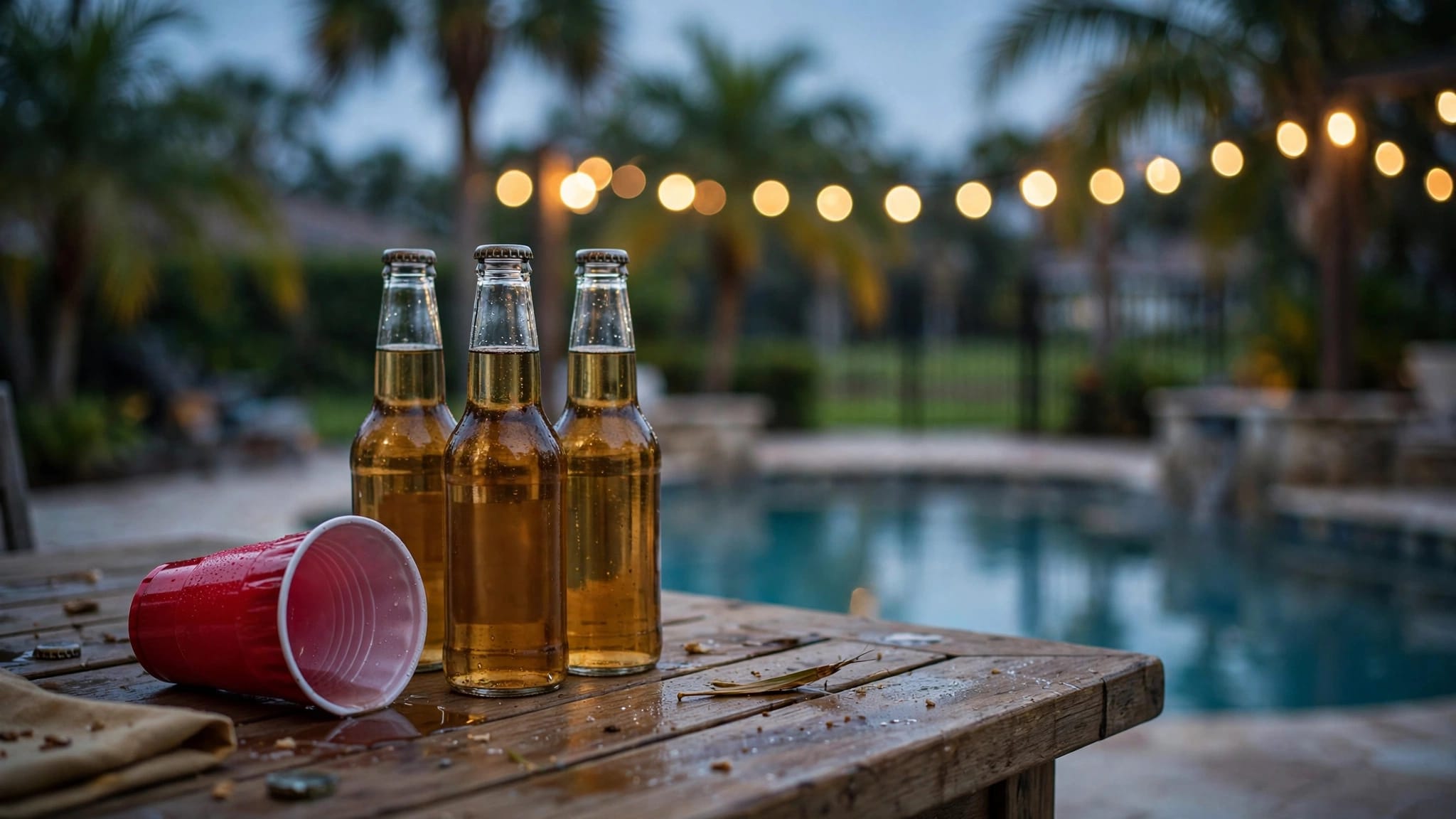
Florida social host liability can arise when someone willfully and unlawfully furnishes alcohol to a person under 21, and that person’s intoxication causes an injury. A private party host can face a civil claim under this rule, but liability isn’t automatic.
If you or a family member was hurt after a gathering, the host’s actions are only part of the inquiry. You also need evidence connecting the alcohol service to the intoxication, the incident, and your losses.
Key Takeaways
- Florida law permits certain injury claims against people who willfully and unlawfully furnish alcohol to someone under 21.
- The Florida Supreme Court has recognized that the rule can apply to a private social host.
- An injury claim needs evidence of causation and damages, even when underage drinking is undisputed.
- A driver’s conduct, vehicle ownership, and available insurance may require separate investigation.
- Criminal charges and civil injury claims address different questions. Neither automatically decides the other.
When Florida Social Host Liability Can Apply
A social host may be a person who provides alcohol at a private home or another noncommercial gathering. Florida’s alcohol-provider statute applies to people who furnish alcohol, and a Florida Supreme Court decision confirms that its underage-service exception can reach private hosts.
The statutory exception for someone under 21
Florida Statute 768.125 generally limits liability for injuries resulting from alcohol furnished to someone of lawful drinking age. However, it says a person who willfully and unlawfully sells or furnishes alcohol to someone below that age may become liable for injury or damage resulting from the person’s intoxication.
Florida’s lawful drinking age is 21. Separately, Florida Statute 562.11 prohibits selling, giving, or serving alcohol to a person under 21 or permitting alcohol to be served to that person.
For this article, “minor” refers to someone below the drinking age. That can include an 18-, 19-, or 20-year-old, even though those individuals are adults for many other legal purposes.
What the Florida Supreme Court decided
In Bankston v. Brennan, 507 So. 2d 1385 (Fla. 1987), the Florida Supreme Court held that the statute could support a claim against a social host who willfully and unlawfully served alcohol to a minor. The case involved a minor who became intoxicated and drove away.
The decision matters because the statute doesn’t expressly use the term “social host.” A claim can reach a private host when the facts satisfy the applicable rule. The decision doesn’t make every person who hosts a party responsible for every injury involving a guest.
Connecting the Alcohol to the Injury
A claim against a host must explain how the alcohol service relates to the harm. Evidence that a gathering included underage drinking is a starting point, not the complete case.
Identify who furnished the alcohol
An investigation may examine who purchased the drinks, who made them available, and who served them. Witness accounts, messages, photographs, and purchase records can help identify the people involved.
Ownership of the home alone doesn’t establish that the owner willfully and unlawfully furnished alcohol. Likewise, the presence of alcohol at a gathering doesn’t establish that every adult there supplied it. Each person’s conduct needs separate attention.
Show how intoxication caused harm
The evidence must also connect the person’s intoxication to the injury or damage. In a crash claim, that can involve the driver’s actions, the timing of the collision, witness observations, and any available test results.
Medical records then help establish the injuries caused by the incident. A host may dispute the source of the alcohol, the person’s level of intoxication, or whether intoxication contributed to the event. A strong claim addresses those questions with evidence rather than assumptions.
How Claims Involving Adult Guests Differ
Florida’s general rule protects a person who furnishes alcohol to someone of lawful drinking age against liability for injury caused by that person’s intoxication. The statute also contains an exception for knowing service to a person habitually addicted to alcohol.
Serving an adult who appears intoxicated doesn’t, by itself, establish that exception. The evidence must support the applicable legal requirements, and the circumstances of service matter.
This distinction also applies when a bar or other business is involved. Our discussion of Florida drunk driving crash claims addresses the limits on alcohol-provider liability and other parties who may require investigation.
Other People Who May Be Responsible
A potential claim against a host doesn’t erase a claim against the person who caused the injury. Depending on the facts, an investigation may identify several people whose conduct or legal relationship to the incident matters.
The driver and license-application signer
A driver under 18 can be responsible for harm caused by negligent driving. Evidence of speeding, failure to yield, or another driving error can matter alongside evidence of impairment.
Florida Statute 322.09 can also make the person who signed a minor’s permit or license application jointly responsible for certain negligence or willful misconduct on a highway. The signer may be a parent, but that relationship shouldn’t be assumed. Our guide to Florida claims involving a minor driver explains the separate issues that can arise in those cases.
Vehicle owners and other parties
Vehicle ownership, permission to use the vehicle, and the driver’s circumstances can affect which claims deserve review. A driver may have used a family member’s car or borrowed someone else’s vehicle.
Those facts don’t establish that an owner is automatically liable. They do make it important to identify the owner, the driver, and the insurance policies connected to the vehicle.
Evidence to Preserve After an Alcohol-Related Injury
Evidence can disappear before a family knows a host may be involved. Preserve what you already have and tell your attorney about records that may be held by others.
Records of the gathering
Messages, invitations, photographs, and videos may help establish who attended, who provided drinks, and when the gathering ended. Keep original files when possible, including dates and other information attached to them.
Write down the names and contact information of people who saw alcohol being provided or observed the guest before leaving. Their accounts may differ, so identifying witnesses early gives an attorney a better opportunity to investigate.
Don’t access another person’s private account or alter a post to gather evidence. An attorney can consider lawful ways to request relevant information.
Crash and medical evidence
If the incident involved a vehicle, retain photographs of the scene, vehicles, and visible injuries. A crash report, available camera footage, and witness information can help establish vehicle movements and the sequence of events.
Keep records of emergency care, follow-up appointments, prescriptions, and time missed from work. These documents can connect the incident to your losses, including treatment needs that continue after the initial visit.
Compensation and Insurance After an Injury
The value of a claim depends on the harm supported by evidence, the applicable law, and the parties who can be held responsible. A serious injury doesn’t guarantee that every potential defendant has insurance or that a policy covers the claim.
Losses an injury claim may include
Depending on the facts, an injured person may seek compensation for medical expenses, rehabilitation, lost income, and reduced earning capacity. A claim may also include future care and pain and suffering when the law permits and the evidence supports those losses.
If someone dies, different rules govern who can bring a wrongful death action and which losses are recoverable. Our explanation of Florida wrongful death damages discusses losses claimed by eligible survivors and the estate.
Policies that may matter
After a crash, the driver’s bodily injury liability coverage may be one source of payment. Your own uninsured or underinsured motorist coverage may also matter, depending on the policy and the circumstances.
A host’s homeowners or other liability policy may require review, but coverage depends on its terms, exclusions, and the allegations in the claim. Insurance limits can also affect what is available when several people are injured.
Personal Injury Protection may pay certain medical expenses and lost income after a Florida crash, regardless of fault. Our guide to Florida’s PIP treatment deadline explains an important requirement for those benefits.
Shared Fault and Filing Deadlines
An insurer may argue that the injured person contributed to the harm. In a covered negligence action, Florida’s comparative-fault rules generally reduce damages by the claimant’s share of responsibility. A person found more than 50% responsible generally cannot recover in that action.
Those rules depend on the type of claim. An insurer’s proposed fault percentage isn’t a court finding, and the evidence deserves careful review. When an injured child is involved, age and capacity can also matter to the analysis.
Don’t assume insurance negotiations extend the time to sue. The applicable deadline depends on the claim, its dates, and the parties involved. An attorney can assess the timing while evidence is still available.
Frequently Asked Questions
Can the person who drank the alcohol bring a claim?
A claim may be possible when an underage person’s own intoxication caused their injury. The facts must support the statutory exception and connect the alcohol service to the harm. The injured person’s conduct and any applicable defenses also require review.
Does a host have to be convicted before an injury claim can proceed?
No. A civil injury claim seeks compensation, while a criminal case addresses alleged violations of criminal law. The absence of a conviction doesn’t automatically prevent a civil claim, although the available evidence still matters.
Is a parent liable because their child hosted a party?
A parent isn’t automatically liable solely because of that relationship. An investigation should examine what the parent did, who furnished the alcohol, and whether the facts support a claim under Florida law or another applicable legal theory.
What if we don’t know who supplied the drinks?
You can still speak with an attorney. Messages, purchase records, photographs, and witness accounts may help identify the source. Early investigation matters because some records may be deleted or become harder to obtain.
Get a Clear Assessment of Your Claim
A Florida social host claim depends on the connection between unlawful alcohol service, intoxication, and an injury. The person who caused the incident and the available insurance deserve separate attention.
At Avard Law Offices, we offer free consultations for personal injury matters. We can review the facts, discuss potential sources of compensation, and help you understand the next steps.