
Florida Drunk Driving Crash Claims: Beyond the Arrest
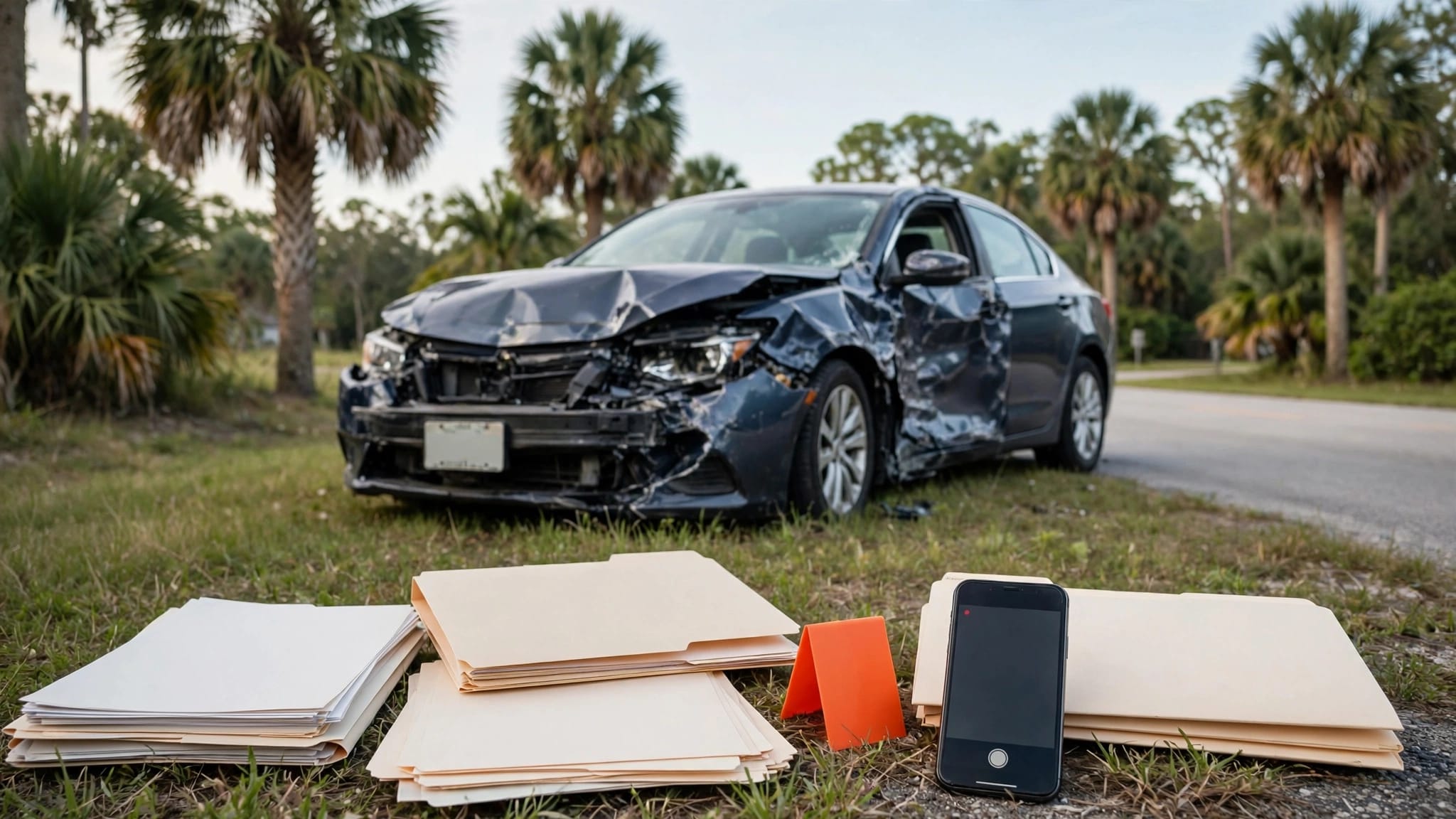
Seeing the other driver arrested can bring relief, but your injury claim still needs a complete evidence file. Florida drunk driving crash claims depend on proof of unsafe driving, the collision’s cause, and the losses you suffered.
That means preserving evidence beyond the arrest, including recordings, vehicle damage, medical records, and income documentation. A Florida attorney can use those materials to address insurance disputes while the criminal case follows its own course.
Start by separating evidence of impairment from evidence explaining how the crash happened.
Key Takeaways
- Evidence should connect the driver’s conduct to the collision and your injuries.
- Police records, testing, witnesses, video, and physical evidence can answer different parts of that question.
- Preserve original recordings and damaged vehicles before footage disappears or repairs alter the evidence.
- Medical records and financial documents support the compensation you seek.
- Shared fault, insurance coverage, and filing deadlines can affect recovery even when impairment is documented.
What Florida Drunk Driving Crash Claims Must Establish
The criminal investigation and your civil injury claim address different legal questions. Prosecutors pursue criminal penalties. Your civil claim seeks compensation for injuries and other legally recoverable losses.
In a negligence case, you generally must establish that the driver breached a duty of care and caused your damages. Civil liability ordinarily uses a preponderance-of-the-evidence standard, meaning the claim is more likely true than not.
Impairment evidence can support that case. However, the file must also explain the driving mistake that caused the collision. That might involve crossing the center line, running a red light, or failing to brake.
Likewise, medical evidence must connect the impact to your injuries. An insurer may acknowledge alcohol use while disputing causation, treatment costs, or responsibility for particular symptoms.
A useful investigation therefore builds a timeline: the driver’s movements before impact, the collision itself, and your condition afterward. Each part needs supporting records rather than assumptions.
Evidence That Documents Alcohol Impairment
Florida’s DUI statute addresses impaired normal faculties and a blood- or breath-alcohol level of 0.08 or higher. Those standards provide context, but a civil claim still requires careful examination of the available evidence.
Officer observations and investigation records
An officer may document slurred speech, poor balance, the smell of alcohol, or statements about drinking. Field sobriety observations may also appear in investigation records.
An attorney can evaluate available arrest records, supplemental reports, body-camera recordings, and 911 calls. Access depends on applicable rules and the status of the records; these materials aren’t always immediately available.
Compare observations with timestamps. Evidence describing the driver shortly after impact may help establish a timeline. Still, an observation such as alcohol odor doesn’t establish how much someone drank or which maneuver caused the crash.
Breath and blood testing require context
Testing records may identify the sample collection time, reported result, testing method, and laboratory findings. Equipment records, sample handling, and chain of custody may also require review.
A toxicology professional can evaluate whether the results support an opinion about impairment at the relevant time. Injury, medication, and treatment records may affect that analysis.
A post-crash alcohol result records a measurement at collection. Relating it to the collision requires attention to timing and testing circumstances.
Neither a test result nor an investigation record is automatically admissible or conclusive.
Physical Evidence Explains How the Collision Happened
Evidence of drinking and evidence of crash responsibility serve different purposes. To establish causation, your claim needs a supported account of each vehicle’s movement before impact.
Video and witnesses establish the sequence
Dashcam recordings, nearby business cameras, and independent witnesses may show lane position, traffic signals, braking, or erratic driving.
Preserve the full recording rather than an edited clip. The moments before impact can explain whether a driver drifted across a lane or reacted to another vehicle.
Witness details also matter. Someone who observed the approach may provide different information than someone who arrived afterward. Record names, contact information, and what each person actually saw.
If you don’t know a speed, distance, or reaction time, say so. Guessing can create discrepancies with later evidence.
Roadway marks and vehicle damage test competing accounts
Photographs of debris, tire marks, pavement gouges, lane markings, and final vehicle positions can help explain the impact. Wide views establish the roadway layout; close views document damage.
Vehicle event-data recorders may contain speed, braking, or other information, depending on the vehicle and recording system. An attorney can assess whether inspection and a qualified download are appropriate.
Reconstruction professionals may compare these materials when accounts conflict. However, a damage pattern or isolated data point needs interpretation within the full collision sequence.
Preserve Records Before They Become Harder to Obtain
Medical care and scene safety come first. Don’t enter traffic or approach unstable wreckage to collect evidence.
As soon as your condition allows, save original photos and recordings with their date information intact. Keep towing records and identify where the damaged vehicle is stored. Ask counsel about inspection before authorizing repairs, salvage, or disposal.
A preservation letter can notify another driver, business, or insurer that relevant evidence should be retained. It doesn’t guarantee that evidence exists or that every requested record will be produced.
Avard Law Offices’ Florida DUI crash evidence checklist provides a practical reference for organizing these materials.
Also obtain and review the crash report when available. Under Florida’s crash-report statute, reports containing personal information generally receive confidentiality protection for 60 days after filing, although eligible requesters may obtain them earlier.
Check street names, travel directions, vehicle numbers, and the diagram against your records. A material discrepancy deserves attention.
Medical and Financial Evidence Establish Your Losses
A liability investigation shouldn’t delay treatment. Your medical records support both your recovery and the connection between the crash and the compensation requested.
Treatment records connect symptoms to the impact
Tell providers how the collision occurred and accurately describe your symptoms. Also explain prior injuries or similar symptoms so the records distinguish your earlier condition from crash-related changes.
Keep emergency records, imaging results, prescriptions, therapy notes, and work restrictions. If symptoms appear later, seek care and document when they began.
For available Florida personal injury protection benefits, initial qualifying medical treatment generally must begin within 14 days. PIP benefits don’t resolve fault or replace a complete injury evaluation.
Pain-and-suffering recovery in covered motor-vehicle cases generally requires a qualifying injury threshold, such as significant permanent scarring or a qualifying permanent injury.
Financial records support a documented demand
Medical bills, receipts, pay records, and employer documentation help establish economic losses. Future treatment and reduced earning ability may require medical recommendations and professional analysis.
Describe how injuries affect sleep, household tasks, driving, and job duties. Keep those descriptions accurate and consistent with treatment records.
Fatal crashes require a different damages analysis. The personal representative generally brings a wrongful death action for eligible survivors and the estate. Avard Law Offices explains Florida wrongful death damages and the losses that may qualify.
Shared-Fault Arguments Still Need Evidence
An insurer may argue that you sped, used a phone, failed to brake, or could have avoided impact. Those allegations need evidence connecting your conduct to the harm.
Under Florida’s comparative-fault statute, your assigned responsibility generally reduces recoverable damages in covered negligence actions. A finding of greater than 50% fault bars recovery in those actions.
An adjuster’s proposed percentage isn’t a court finding. Video, roadway evidence, witness accounts, and vehicle data can support or challenge that assessment.
Before accepting a settlement based on shared fault, ask which conduct the carrier attributes to you. Then identify the records supporting that position. Evidence of the other driver’s impairment doesn’t eliminate the need to investigate both vehicles’ movements.
Review Other Responsible Parties and Insurance Coverage
The driver may be only one part of the investigation. Depending on the facts, an attorney may examine vehicle ownership, employment duties, and other potentially responsible parties.
Florida limits claims against alcohol providers. Its alcohol-provider liability statute includes exceptions involving willful and unlawful service to someone below lawful drinking age, or knowing service to someone habitually addicted to alcohol.
Serving an adult who appears intoxicated doesn’t, by itself, establish those statutory exceptions. Receipts, witness accounts, service records, and other lawfully obtained evidence may require review. Avard Law Offices’ explanation of Florida dram shop claims addresses these limited circumstances.
Separately, counsel should review bodily injury liability coverage and any applicable uninsured or underinsured motorist coverage. Clear liability and serious injuries don’t guarantee sufficient insurance or a particular recovery.
Punitive damages also require separate legal grounds. They aren’t an automatic addition to a drunk driving injury claim.
Protect the Deadline While the Investigation Continues
Florida’s limitations statute generally provides two years for negligence actions. Wrongful death actions also generally have a two-year period, ordinarily measured from death.
The correct deadline depends on the claim’s facts, accrual date, and applicable exceptions. Older crashes, government defendants, and other claim types can require different analysis.
An open insurance claim or ongoing criminal prosecution doesn’t automatically extend the civil filing period. Avard Law Offices’ Florida car accident lawsuit deadline guidance explains why the crash date and claim type matter.
Seek review early enough to preserve evidence and identify deadlines before settlement discussions consume the available time.
Frequently Asked Questions
Should I wait for the criminal case to finish?
Waiting can put evidence and civil deadlines at risk. An attorney can evaluate the injury claim while accounting for the criminal proceeding. Medical care and preservation efforts should begin promptly.
Can I challenge an inaccurate crash report?
Identify the disputed detail and preserve supporting photographs, recordings, or witness information. Counsel can assess available correction procedures and other evidence. The report doesn’t automatically settle civil responsibility.
What should I bring to an attorney evaluation?
Bring the report number, witness contacts, photos, recordings, insurance documents, claim correspondence, and available medical records. Also provide towing information and the vehicle’s location. You don’t need a completed investigation before seeking help.
Build the Claim Around a Complete Record
Florida drunk driving crash claims need a supported account of the collision and its consequences. Preserved evidence helps connect unsafe driving to your injuries and documented losses.
An early evaluation with Avard Law Offices can identify preservation needs, coverage questions, and filing deadlines. The arrest may be a significant event, but the full record gives your compensation claim its foundation.