
Florida ER Sepsis Misdiagnosis Warning Signs In Your Medical Records
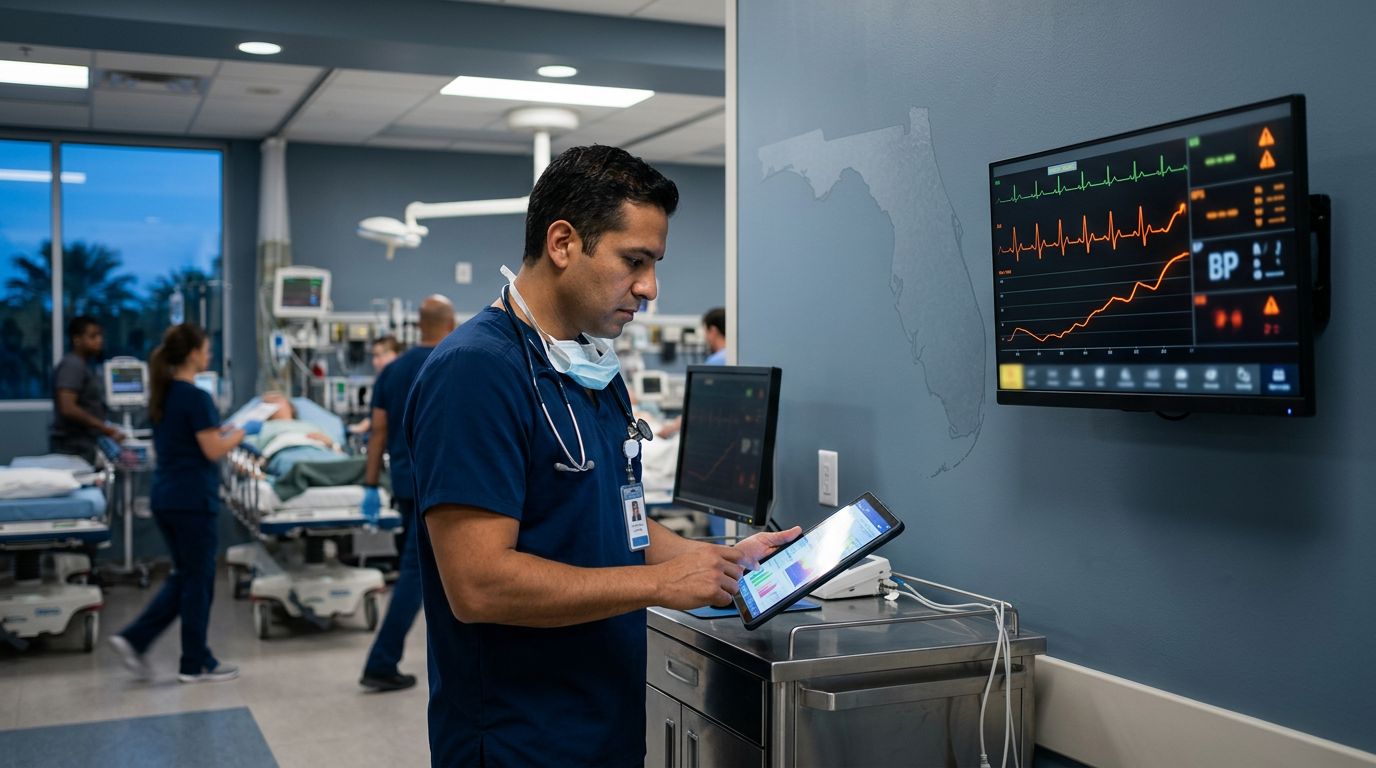
Sepsis can look like the flu at first, until it doesn’t. In a busy emergency room, those early clues can get brushed off, coded the wrong way, or treated like a minor infection. When that happens, the paper trail matters because Florida sepsis misdiagnosis cases often turn on what the records show, and what they don’t.
If you’re reviewing ER records after a sudden ICU stay, amputation, organ damage, or a death, you’re not just looking for a single “gotcha.” You’re looking for a pattern: worsening vitals, infection markers, rising concern in nurse notes, then delays in action.
Below are practical warning signs people often find in Florida ER charts after a missed or delayed sepsis diagnosis, and why each one can matter.
Why ER medical records matter when sepsis is missed
Sepsis is time-sensitive. Every hour counts because infection can trigger a body-wide response that drops blood pressure and harms organs. Hospitals know this, which is why many have screening tools and escalation steps. The CDC’s hospital sepsis program core elements explain the kind of systems hospitals are encouraged to use, including early recognition and rapid treatment.
Your medical record is where those steps should appear. Not perfectly, but clearly enough that another clinician could follow the story. When sepsis care is delayed, the chart often shows one or more of these themes:
- Staff documented infection concerns, but the plan stayed the same.
- Vital signs pointed to decline, yet reassessments were thin.
- Labs signaled risk, but no sepsis workup appears.
- The patient was discharged and returned much worse.
Diagnostic errors in emergency care are a known patient safety problem, especially when symptoms are non-specific. For context on how diagnostic errors happen in the ER, see the NIH Bookshelf review on emergency department diagnostic errors.
In other words, your chart is a timeline. It can show whether the team recognized danger and acted reasonably, or whether warning lights stayed on while care lagged.
Warning signs in triage notes, vital signs, and nursing documentation
Triage is where sepsis can first show itself. Even when a doctor note sounds calm, nurse notes and vital-sign flowsheets may tell a different story.
Vital signs that don’t fit a “minor illness” story
Sepsis screening often starts with simple numbers. Warning signs in the chart can include persistent fever or abnormally low temperature, fast heart rate, rapid breathing, and low blood pressure. A single abnormal reading can happen to anyone. The concern grows when abnormal vitals repeat, worsen, or pair with confusion, weakness, or severe pain.
Look for patterns like “tachycardia” that continues after fluids, or low blood pressure that shows up in multiple sets of vitals. Also check oxygen levels and mental status. Notes such as “lethargic,” “difficult to arouse,” or “new confusion” can be major clues.
If the record shows worsening vitals over hours, but no change in plan, that gap is often a key warning sign.
Notes that hint the staff was worried
Nursing documentation can include phrases like “appears septic,” “chills,” “rigors,” “mottled skin,” “poor perfusion,” or “patient looks ill.” Sometimes the triage chief complaint sounds mild, but the narrative mentions alarming details, such as recent surgery, dialysis, immunosuppression, uncontrolled diabetes, or a known infection.
Also check pain and wound descriptions. For example, “redness spreading,” “foul drainage,” or “warmth and swelling” can support an infection pathway. If those notes appear early, but the physician assessment labels the problem as “viral syndrome” without explaining the contradiction, it can raise questions.
To make review easier, it helps to compare what’s documented to what happened next.
Here’s a quick way to organize what you find:
| Record item to spot | Why it can matter | Questions it may raise |
|---|---|---|
| Repeated low blood pressure | Suggests shock risk | Was sepsis considered and treated promptly? |
| Rising heart rate or breathing rate | Signals stress and possible infection | Were vitals rechecked after treatment? |
| Nurse notes describing “ill-appearing” | Shows bedside concern | Did a provider reassess or escalate? |
| New confusion or fainting | Can signal poor perfusion | Was mental status addressed as a red flag? |
| Documentation of infection source | Supports sepsis pathway | Were cultures and antibiotics started on time? |
| Discharge despite instability | Higher risk of crash and return | Was discharge safe and supported by data? |
The takeaway is simple: sepsis often shows up as a trend, not a single line item.
Lab results and treatment timing gaps that may signal delayed sepsis care
Labs can provide some of the clearest clues, especially when symptoms were vague. You don’t need to be a clinician to notice when abnormal results stack up without a matching response.
Lab patterns that often appear in missed sepsis cases
Common red flags include abnormal white blood cell counts (high or low), rising creatinine (kidney stress), abnormal bilirubin, low platelets, or signs of acidosis. Lactate is another test many hospitals use when sepsis is suspected. If lactate is high, repeat testing and close monitoring often follow. When the chart shows a concerning result with no repeat, it can be significant.
Urinalysis and cultures can also matter. If the chart suggests a urinary tract infection, pneumonia, infected wound, or abdominal infection, the usual next steps are often clearer: identify the source and treat quickly.
For a big-picture look at how sepsis affects hospitals across the U.S., the AHRQ sepsis report to Congress is a helpful reference.
Delays you can sometimes see right in the timestamps
ER records usually include time stamps for triage, provider evaluation, labs drawn, results posted, imaging, medications, and discharge. When sepsis is suspected, timing can be critical. Warning signs may include:
- A long gap between abnormal vitals and provider reassessment.
- Cultures drawn late, or not at all, despite infection signs.
- Antibiotics given hours after clear infection indicators.
- Fluids started late despite low blood pressure.
You might also see “sepsis protocol” mentioned but not carried out. Or a note may claim improvement while vitals remain unstable. That mismatch can matter because it affects whether discharge or transfer decisions were safe.
If you’re trying to understand what evidence typically supports a hospital-based negligence claim, this guide on proving hospital negligence in Florida explains how records, policies, and timelines often fit together.
What to do if your Florida ER records suggest sepsis was missed
First, protect your health. If symptoms continue after an ER visit, seek care right away, even if you feel like you’re overreacting. Sepsis can surge fast.
Next, gather the complete record, not just a discharge summary. Ask for:
- EMS records (if applicable)
- Triage notes and nurse notes
- Vital sign flowsheets
- Medication administration record
- Lab results with timestamps
- Imaging reports
- Consult notes and transfer records
Then, write down a simple timeline in your own words. Include the first symptom, when you arrived, when you worsened, and what you were told. That timeline helps when records are dense or out of order.
If you’re considering a legal review, deadlines matter. Florida malpractice cases follow strict pre-suit steps and time limits, so it helps to understand Florida medical malpractice deadlines.
Finally, match the issue to the setting. Sepsis is often missed in the ER because the presentation seems “non-urgent,” so a focused review of emergency room decisions can be important. This article on when you can sue a Cape Coral ER for medical negligence explains how ER-specific errors may be evaluated.
Conclusion
Sepsis can hide in plain sight, especially in fast-moving ER care. Your chart may show warning signs through repeated abnormal vitals, troubling labs, and delays between concern and treatment. If your Florida ER records don’t seem to match what happened to you or your loved one, it’s worth getting a careful review. The earlier you act, the easier it is to preserve records and protect your options.