
Florida Elevator Door Malfunction Injury Claims: Evidence Checklist for Strong Proof
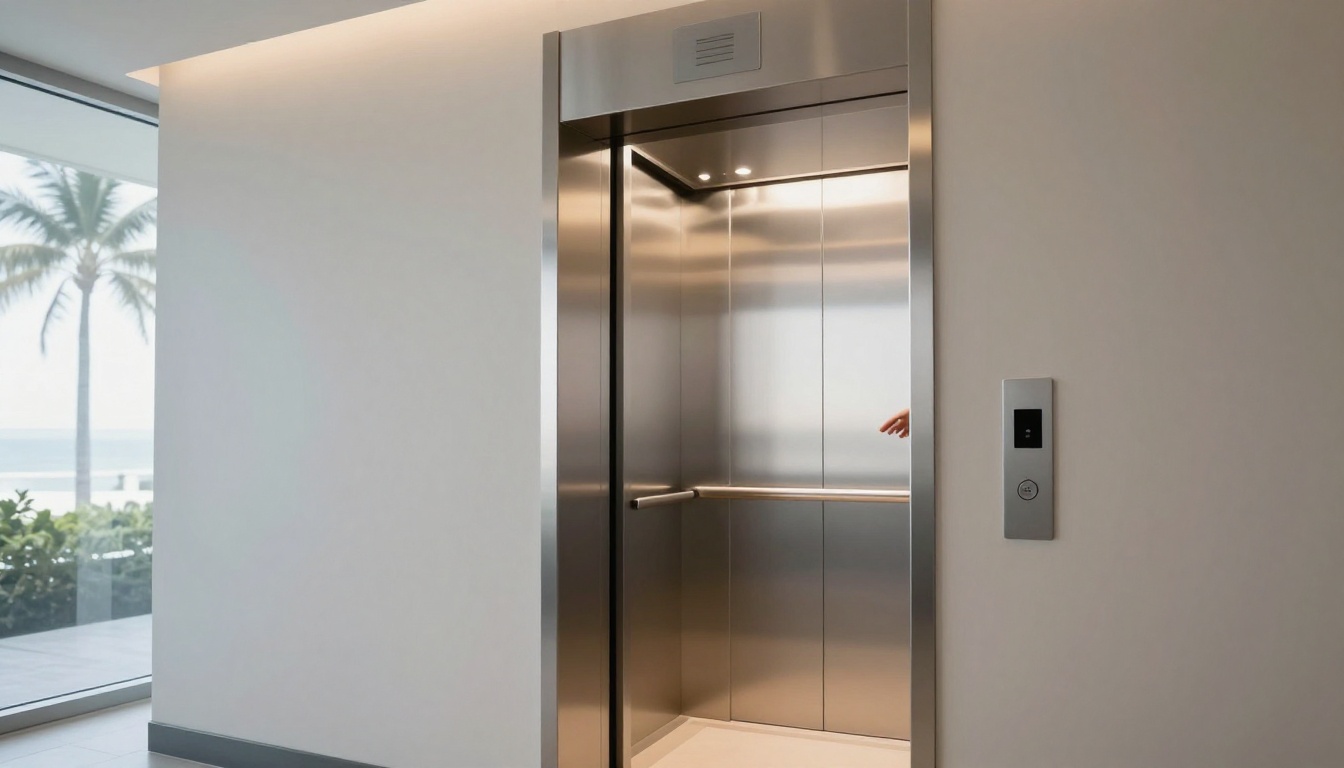
Elevator doors aren’t supposed to be scary. Yet a door that closes too fast, ignores a sensor, or traps a hand can turn a normal day into an ambulance ride.
If you’re considering a Florida elevator injury claim, the early days matter as much as the injury itself. The best cases usually aren’t built on guesses. They’re built on proof: what the doors did, why they did it, who controlled the elevator, and what they knew before you got hurt.
Below is a practical, door-malfunction focused evidence checklist you can use right away, whether the incident happened at a hotel, apartment building, hospital, office, or job site.
Start with the basics: what happened, where, and which elevator
A door malfunction claim lives or dies on details. Not because you need to “sound legal,” but because elevators are machines with logs, settings, and identifiers. If you can’t tie the event to the exact unit, the paper trail gets harder to trace.
As soon as you can (or have someone help), capture these basics:
- Exact location: Building name, street address, and the entrance you used.
- Elevator ID: Car number, bank letter, or the posted certificate information inside the cab.
- Date and time: Be as precise as possible, down to the minute if you can.
- Direction and floor: Going up or down, which floor you entered, which floor you exited.
- What the door did: Closed on you, reopened then slammed shut, failed to detect you, or bounced and pinned you.
Then, write a short description while it’s still fresh. Keep it simple. For example: “Door started closing, I stepped in, it hit my shoulder and kept pushing. I tried to stop it with my arm. It didn’t reopen.”
If the injury happened in a public place, liability often ties back to who controlled safety and maintenance. A quick read on duty and control can help you frame that question early, see Florida premises liability duty of care.
A good rule: if you can’t identify the elevator, you’re arguing in the dark. If you can, you can demand the right records.
Door malfunction evidence you should collect (and how fast it disappears)
Elevator door cases often involve “invisible” failures, like a misaligned door edge sensor, a bad light curtain, a stuck restrictor, or incorrect force settings. That’s why your evidence needs to cover both the injury and the mechanical story.
Scene proof: photos, video, and what to photograph
If you can safely do it, take photos and short video of:
- The doors closing (record several open-close cycles if possible)
- The door edges and sensor areas (including the vertical sensors)
- Any warning signs, out-of-service notices, or taped-off areas
- The floor gap or mislevel if you tripped while exiting as doors moved
- Your injuries the same day and over the next week (bruising often blooms later)
Also ask, politely but directly, where cameras are. Many buildings have coverage in lobbies and hallways, which can show the door strike, the time, and who responded.
Witness proof: names beat “someone saw it”
A witness doesn’t need to know elevator mechanics. They just need to confirm what the doors did and how you reacted.
Get:
- Names, phone numbers, and emails
- A one or two sentence summary from them by text, if they’ll do it
- The name of any employee who arrived first (security, concierge, maintenance)
Medical proof: connect the door event to the diagnosis
Insurance companies love gaps. So do defense teams. If you wait weeks to treat, they may claim the injury came from something else.
Focus on:
- ER or urgent care records from the same day, if possible
- Orthopedic or neuro follow-up if symptoms persist
- Photos of swelling and bruising
- Work restrictions and missed time documentation
If you had a crush injury (hand, arm, shoulder), ask your doctor to document numbness, tingling, grip weakness, and range-of-motion limits. Those details often become damage drivers later.
The “paper trail” that proves negligence: inspections, complaints, and maintenance logs
Door malfunction claims usually turn on one question: did someone fail to keep the elevator reasonably safe? The strongest proof often sits in files you don’t control, at least not yet.
Florida regulates elevator safety through the state’s elevator safety program. If you need context on inspections and oversight, start with the Florida elevator inspections information published by the state.
Here’s a quick guide to the most useful records and who often has them:
| Evidence type | Who may have it | Why it matters |
|---|---|---|
| Maintenance and repair logs | Building, property manager, elevator contractor | Shows prior door problems, repeat service calls, and whether fixes “stuck” |
| Inspection and certificate records | Building, state records | Helps confirm compliance history and timing of last inspection |
| Prior complaints about doors | Management office, tenant portal, security desk | Proves notice, especially if doors were reported “closing on people” |
| Incident report from your event | Security, management, HR (if at work) | Locks in timing, witnesses, and initial admissions |
| Elevator event or fault logs | Elevator contractor, sometimes manufacturer | Can show door faults, reversals, nudging, and shutdown events |
If the incident was serious, it may also be reportable through the state’s elevator safety accident reporting channels. The state’s starting point is Florida elevator accident reporting.
Preserve evidence before it “expires”
Security video can be overwritten in days. Digital logs can be purged or rotated. Work orders can get “corrected” after the fact. You don’t have to accept that as normal.
Ask for preservation in writing. Include the date, time, elevator ID, and all camera locations you believe exist. Keep a copy.
If you need state forms related to elevator safety processes, the state also maintains an elevator safety forms page that helps you understand what documents exist and what gets filed.
Door malfunction claims in Florida: what strengthens your case (and what can hurt it)
A Florida elevator injury claim can involve several legal paths, depending on where it happened and who controlled the elevator. Many door cases start as premises liability, but they can also involve negligent maintenance or, in some situations, product issues.
Facts that tend to help door malfunction claims
Patterns matter. A door that “randomly” closed on you sounds like bad luck. A door that closed on three other people last month sounds like ignored danger.
Helpful facts often include:
- Prior door complaints, especially written complaints
- Recent repairs for door operators, sensors, or control issues
- A building that delayed taking the elevator out of service
- Video showing the door failed to reverse when contact occurred
- A consistent medical timeline without long gaps
Common mistakes after a door injury
People often hurt their claim without meaning to. A few examples:
- Giving a detailed recorded statement to an insurer or building representative while still in pain
- Posting a “joking” update online that downplays the injury
- Not returning for follow-up care after symptoms worsen
- Failing to report a work-related incident on time if it happened on the job
If the door injury happened at work, your next steps may fall under workers’ compensation deadlines as well as third-party liability. For fast, practical steps, see first 24 hours workers comp checklist. Timing also matters beyond day one, so keep Florida workers comp deadlines guide handy if your employer or the carrier starts pushing back.
Conclusion: treat evidence like your seatbelt
After an elevator door malfunction, it’s easy to focus only on pain. Still, a strong Florida elevator injury claim also depends on proof that won’t wait for you. Photos, witnesses, medical documentation, and preserved video often make the difference between a clear case and a stalled one.
If you can, start gathering evidence the same day, then request preservation in writing. When the doors fail, the paper trail usually tells the real story.