
Florida Ovarian Torsion Misdiagnosis and Ultrasound Records
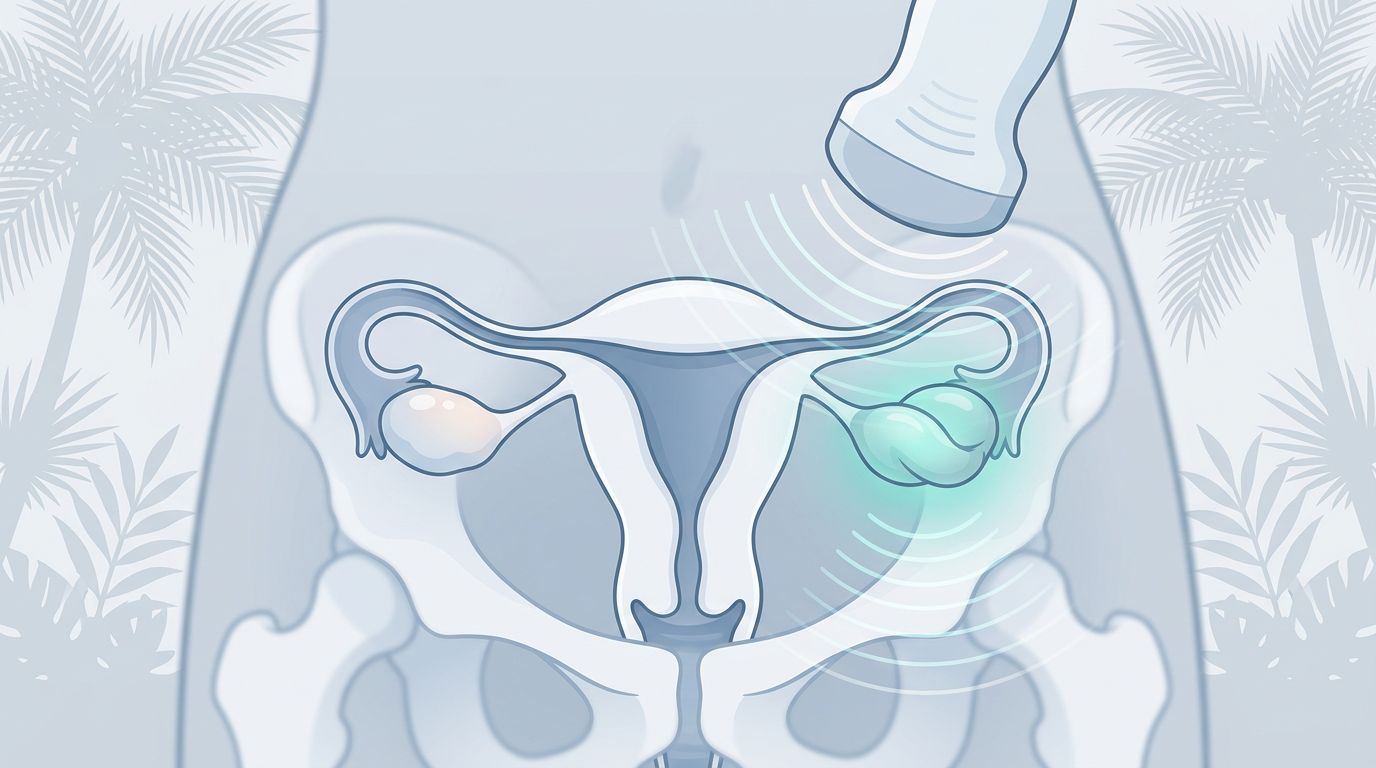
Ovarian torsion can hide behind routine complaints, and that is where problems start. Severe pelvic pain, nausea, and vomiting can look like a stomach bug or appendicitis, even when the ovary is losing blood flow.
For Florida patients, the ultrasound record often matters as much as the diagnosis. If the chart shows warning signs, gaps in follow-up, or a rushed discharge, those details can shape an ovarian torsion misdiagnosis claim. The first step is understanding why this condition gets missed.
Why ovarian torsion gets missed in the ER
Ovarian torsion is a time-sensitive emergency. The ovary twists, blood flow drops, and tissue can die fast. The NCBI review on ovarian torsion explains that ultrasound is the main imaging test, but the condition is still hard to spot because symptoms overlap with many other problems.
Pain may come and go. A patient may have one-sided pain, nausea, or vomiting, then brief relief. That pattern can mislead busy ER teams. In addition, the ovary has a dual blood supply, so Doppler flow can look normal even when torsion is present.
ACEP’s ultrasound guidance on ovarian torsion warns that Doppler is an adjunct, not a rule-out test. A normal scan should not end the workup when the exam still points toward torsion.
What ultrasound records can prove
Ultrasound records can show more than a yes-or-no answer. They can reveal what the team saw, what they wrote, and how quickly they responded. That matters because a chart review often starts with the report, then moves to the full file.
| Record detail | Why it matters |
|---|---|
| Triage and imaging times | Shows how long the patient waited |
| Doppler flow findings | Shows whether flow was seen, reduced, or absent |
| Ovarian size and position | Can support torsion when one side is enlarged |
| Free fluid or whirlpool sign | May strengthen suspicion |
| Radiology impression and notes | Shows whether urgent follow-up was recommended |
A report that says blood flow was present does not end the analysis. If the ovary was enlarged, the pain was classic, or the technician could not get a clear view, those details still matter.
When a missed diagnosis may become malpractice in Florida
Not every missed diagnosis is malpractice. In Florida, a claim usually asks two questions, did the provider fall below the standard of care, and did that mistake cause harm? For a closer look at the legal test, see Florida misdiagnosis medical malpractice elements.
The chart often tells the real story. If the notes show severe pain, repeated complaints, a limited exam, or no urgent gynecology consult, those facts can help show what went wrong. So can a discharge record that sends a patient home without a clear plan.
Sometimes the issue is a wrong diagnosis. Other times, it is a delay that lets the torsion worsen. The difference matters, and Florida misdiagnosis vs delayed diagnosis differences explains why those cases are not the same.
A strong claim often depends on proof such as:
- ER triage notes and time stamps
- The ultrasound images and the written report
- Radiology callbacks or portal messages
- Gynecology consult notes
- Discharge papers, follow-up instructions, and later treatment records
Deadlines and records to gather early
Florida also has strict timing rules. Many malpractice claims must be filed within two years of discovery, and the state has a pre-suit process before a lawsuit starts. The firm’s Florida med mal filing deadlines and Florida malpractice pre-suit process explain those steps in more detail.
That makes early record collection important. If you suspect a missed torsion, ask for the complete imaging file, not only the summary page. Ask for the radiology report, the ED notes, the discharge instructions, and any messages sent after the visit.
A few details often make a difference later:
- whether the pain was documented as sudden or one-sided
- whether the ultrasound was transvaginal, pelvic, or both
- whether the report mentioned poor visualization
- whether the doctor ordered a repeat exam or specialist review
- whether the patient was told to return if symptoms worsened
Small gaps can matter. A note that never mentions a key symptom can be just as important as a note that does.
Conclusion
Ovarian torsion cases turn on records because the scan, the symptoms, and the clock all have to line up. When they do not, the file may show a missed emergency.
For Florida patients, the main question is simple. Did the team recognize the warning signs and move fast enough? If the answer is no, the ultrasound record may be the clearest evidence of what happened.