
Aortic Dissection Misdiagnosis in Florida: CT Records That Matter
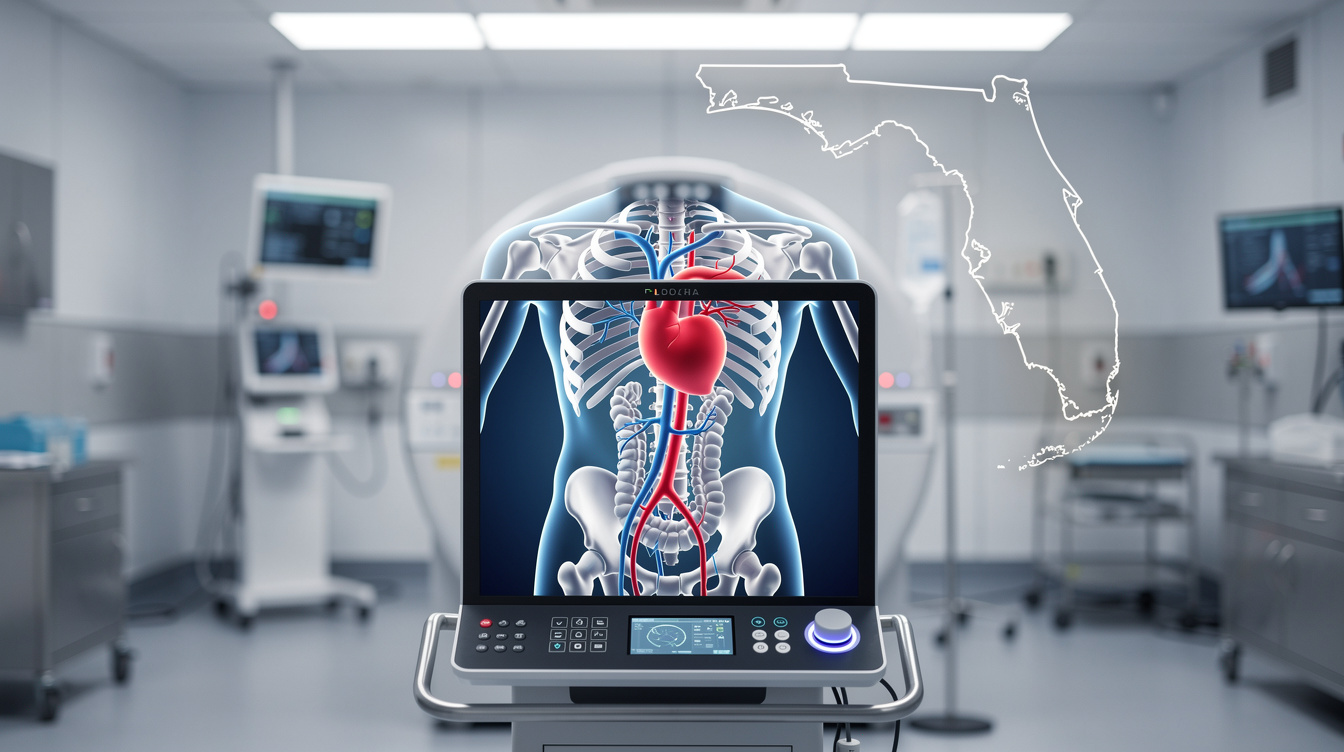
Aortic dissection can look like a heart attack in the first minutes. That is why aortic dissection misdiagnosis is so dangerous, especially in a busy emergency room.
If the wrong diagnosis sends a patient home or delays treatment, the harm can rise fast. The CT records, the report, the images, and the timestamps often tell the clearest story.
The question is not only whether a scan was done. It is whether the right scan was ordered, read, and acted on in time.
Why aortic dissection is missed in emergency care
The symptoms often start with sudden chest pain, back pain, shortness of breath, or fainting. FloridaHealthFinder’s aortic dissection symptoms and imaging guide lists those warning signs, along with the tests doctors use to look for the tear.
That overlap is what makes the diagnosis slippery. A patient can look like a heart attack, pulmonary embolism, or even a muscle strain, while the aorta is splitting underneath.
Blood pressure changes, pain that moves, or a pulse difference between arms can point in the right direction. Still, those signs are easy to miss when the chart is crowded with other urgent problems.
The risk is higher when the patient already has high blood pressure, a prior aneurysm, or a known connective tissue disorder. In those situations, the emergency team should think about imaging early, not after the first guess fails.
A delayed call can matter because the condition can worsen fast. Aortic dissection does not wait for a second opinion.
CT records that matter after a missed diagnosis
The CT record is more than one radiology report. It includes the order, the protocol, the images, the contrast timing, and the time stamps that show how fast the hospital moved.
The file trail that tells the story
| Record | What it can show | Why it matters |
|---|---|---|
| Triage notes | First complaints, pain level, and vital signs | Shows whether warning signs were present early |
| CT order and protocol | Whether a CT angiogram of the aorta was ordered | A different scan can miss the tear |
| Radiology report | What the radiologist saw or did not see | Helps identify a false negative or vague reading |
| Actual image files | The scan itself, not just the summary | Lets experts review the pictures frame by frame |
| Contrast and tech notes | Dye timing, scan timing, and technical problems | A weak study can hide the dissection |
| EMS and transfer records | When the patient arrived and when care changed | Helps prove delay between steps |
The table shows the key point. A standard chest CT is not the same as a CT angiogram of the aorta. If the protocol is wrong, the file may hide the problem even when the patient is unstable.
That is why the images matter as much as the report. CT imaging in suspected aortic dissection is a core emergency tool because it can confirm the tear quickly and also rule out other causes of chest pain.
A missed case can also show up when the first read says “negative” but a later review finds the flap. Sometimes the scan was done without the right contrast timing. Sometimes the file was never saved in a form that an expert can review cleanly. Those gaps matter because they help separate a medical judgment problem from a technical one.
The report may be short, but the images can tell the full story.
If the notes show rising pain, repeat visits, or unstable vitals, the CT file deserves a careful review. A missed diagnosis often leaves small clues in plain sight.
How Florida malpractice claims use those records
Florida malpractice claims turn on proof. The record has to show what the doctor should have done, what the hospital did instead, and how the delay changed the outcome.
For a Florida-specific look at when a diagnostic error becomes a claim, see what counts as misdiagnosis malpractice in Florida. The details matter because a wrong diagnosis and a delayed diagnosis do not always look the same on paper.
That difference matters in dissection cases. Sometimes the chart shows the wrong disease was treated. Other times, it shows the right concern came too late. For a side-by-side explanation, Florida misdiagnosis versus delayed diagnosis helps clarify the proof.
An attorney and medical expert will usually compare the triage notes, the CT protocol, the image set, and the final report. If the chart shows classic warning signs but no CTA of the aorta, the case may point to a missed chance to diagnose the tear.
Patients and families should ask for the full chart, not just discharge papers. The full set should include the imaging disc, the radiology report, nursing notes, medication records, and transfer paperwork. Those records often tell the story faster than anyone’s memory.
Records also need to be preserved early. Florida medical malpractice cases have strict deadlines, so the file should be requested before images get archived, lost, or split across departments. Florida medical malpractice deadlines can affect how much time is left to act.
A strong case often starts with a simple question: what did the hospital know, and when did it know it? The answer is usually in the chart, not in memory.
Conclusion
Aortic dissection can hide behind familiar symptoms, which is why missed diagnosis claims often come back to the CT file. The order, the protocol, the images, and the timestamps can show whether the tear was overlooked or whether the wrong test was used.
When the stakes are high, the paper trail matters. The sooner those records are collected, the easier it is to see what really happened and whether the care met Florida’s standard.