
Florida Brake Failure Crash Claims and the Records That Matter
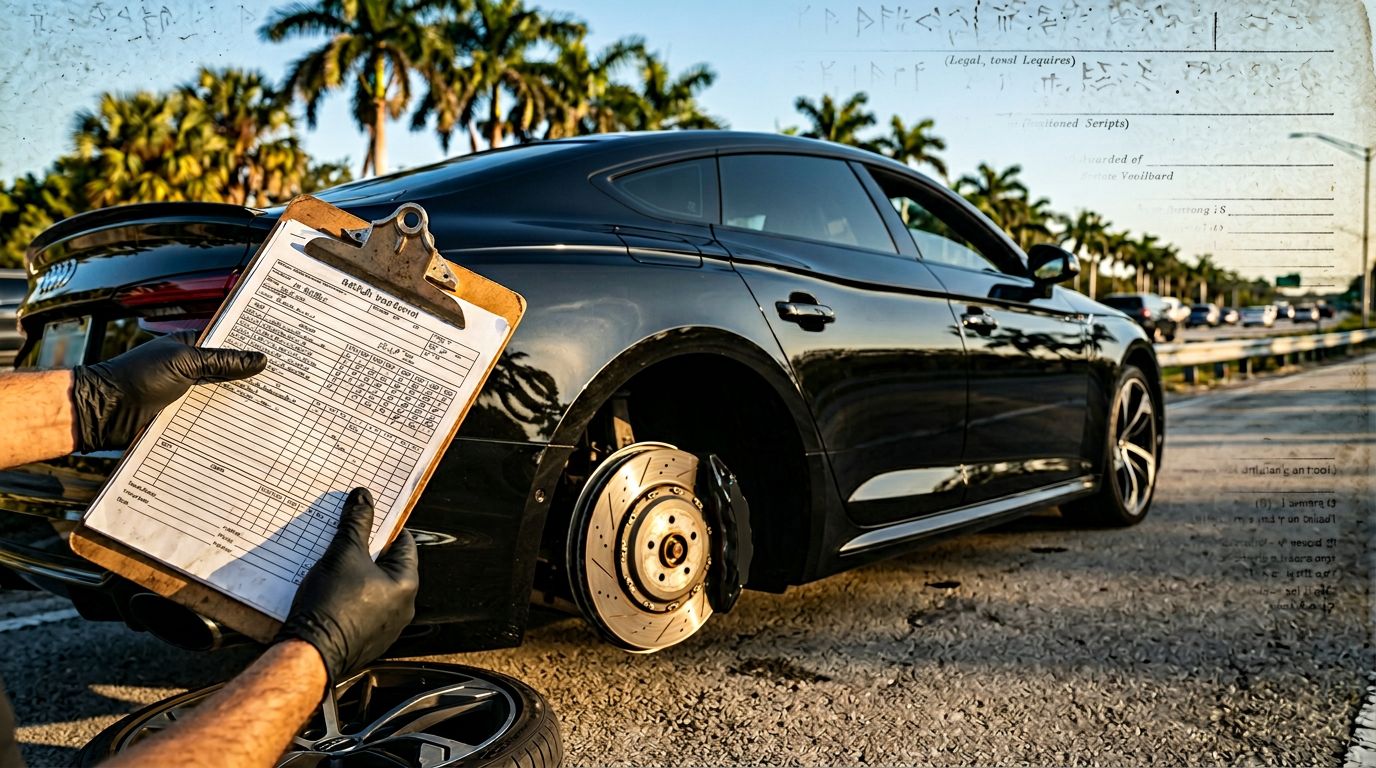
A brake failure crash can look like bad luck at first. Then the repair file, inspection logs, and recall notices start telling a different story.
If your wreck happened in Florida, the paper trail matters fast. Brake problems can point to poor maintenance, a bad part, or a vehicle that should never have been on the road. The strongest claims often come down to what was done, when it was done, and who knew there was a problem.
That is why maintenance records sit at the center of these claims.
Why maintenance records can make or break a brake claim
Florida law requires vehicles to have brakes that meet state standards, which is why maintenance records matter so much in a failure case. You can review the statute in Florida’s brake equipment law. If the brakes were worn out, leaking, or ignored for months, the crash story changes quickly.
A service log can show care. It can also show warning signs that were missed. Missing records, late repairs, and sloppy inspections can all support a negligence claim. In other words, the file may matter as much as the skid marks.
A brake case often turns on notice, not just damage.
That is why a recall check also belongs on the list. A hidden defect or a known brake issue can support fault in a way that a driver statement never will. The NHTSA recall database is a simple place to look for that first clue.
The paperwork that matters most
The best records are the ones that show a pattern. One invoice can help, but several records together tell a much stronger story.
Here is the paperwork that usually carries the most weight:
| Record | What it can show | Why it matters |
|---|---|---|
| Repair invoices | Brake work, dates, mileage, and parts used | Shows whether the vehicle got timely service |
| Inspection reports | Pad wear, fluid leaks, lining wear, and warning signs | Helps prove the problem existed before the crash |
| Driver defect reports | Complaints made by the driver or fleet staff | Shows notice of a brake issue |
| Parts receipts | The exact brake parts that were installed | Helps track bad parts or cheap replacements |
| Tow and storage records | When the vehicle was moved and who handled it | Helps protect evidence after the crash |
| Recall notices and warranty files | Known defects or repeated brake complaints | Can tie the crash to a product problem |
The takeaway is simple. A brake claim gets stronger when the records line up. A gap in service, a missed inspection, or a repair done right before the crash can all matter.
For example, if the car had new brake pads but still failed, the question becomes whether the mechanic used the wrong parts or missed a deeper issue. If the vehicle went months without service, the issue may point to neglect. That is why the dates matter as much as the repairs.
What the vehicle itself can reveal
Paper records help, but the vehicle can tell its own story. Brake pad thickness, fluid leaks, warning lights, and damaged lines can all support what the records say. If the vehicle is fixed too soon, that proof can disappear.
If the vehicle gets repaired, scrapped, or returned to service too soon, important proof can vanish.
That is why the car or truck should be preserved after the crash whenever possible. Photos of the wheels, brake parts, dash lights, and impact area can help. So can the tow yard record and the first inspection after the wreck.
Commercial vehicle crashes often add another layer of proof. Truck cases may involve black box data, brake measurements, and inspection reports that show how the brakes performed right before impact. A related discussion appears in truck brake proof in Florida. Those records can show whether the driver braked too late, whether the system responded, or whether poor maintenance played a role.
The same idea applies to passenger cars, just on a smaller scale. A family sedan may not have the same data trail as a tractor-trailer, but it still leaves evidence behind. The key is to gather it before it disappears.
Common defenses after a brake failure crash
Insurers rarely accept a brake failure claim without a fight. One common defense says the driver should have kept the vehicle in better shape. Another says the brakes did not fail at all, the driver simply followed too closely or stopped too late.
Rear-end crashes bring their own problems. The insurer may blame a sudden stop and try to shift fault to the front driver. That argument comes up often in Florida rear-end sudden stop defense, where timing and road conditions can change the whole case.
A strong response starts with records. If the brakes were serviced and still failed, that points away from simple driver error. If no one checked the brakes for a long time, that may support a maintenance claim. If the vehicle had a recall or repeat complaints, that can help show the problem was known.
The real question is simple. Did someone ignore a warning sign, or did a hidden defect strike without notice? The records often answer that better than anyone at the scene.
Conclusion
Brake failure claims rise or fall on proof. Repair bills, inspection logs, recall notices, and tow records can show whether the vehicle was safe to drive or overdue for service.
The strongest Florida brake failure crash claims do more than describe the wreck. They trace the problem back to the records, the parts, and the missed warnings that came before it. When the brakes failed, the paperwork should not fail too.