
Florida Workers Comp Claims for Crush Injuries and Nerve Damage
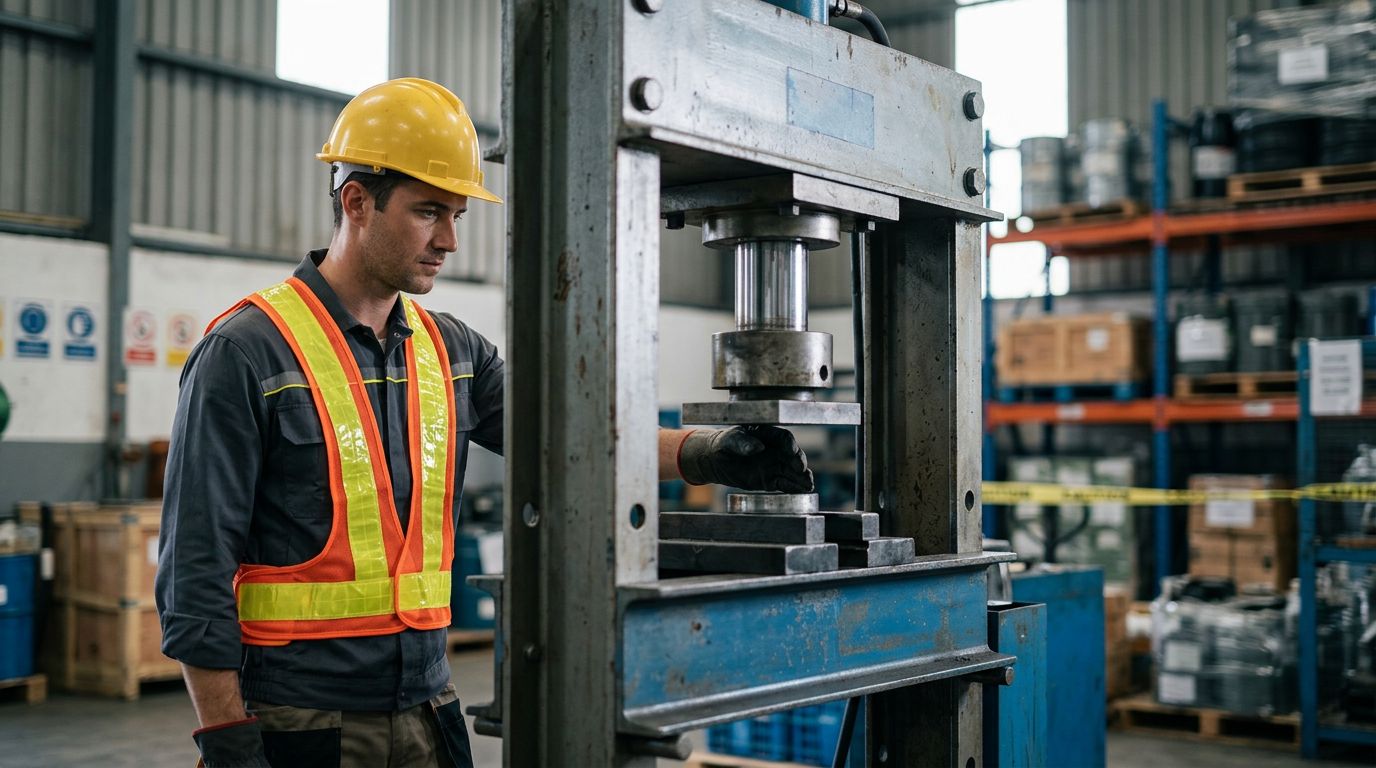
A crush injury can change a workday in seconds, and nerve damage can hide under the first wave of shock. What starts as a hand trapped in a machine, a foot pinned under equipment, or a limb caught between heavy objects can turn into weeks of pain, weakness, and missed pay.
In Florida workers comp cases, those injuries can qualify for medical care and wage benefits. The hard part is proving the full extent of the damage when numbness, tingling, or burning pain shows up later. If you work in construction, warehousing, manufacturing, shipping, or food service, the details matter fast.
When a crush injury becomes a workers comp claim
A crush injury is more than a bruise. It often involves pressure that damages soft tissue, bones, blood flow, or nerves. A hand pinned in a press, a leg caught under a pallet jack, or a shoulder crushed by falling materials can all create a serious claim.
These injuries often happen in ordinary moments. A co-worker moves a load too soon. A machine jams. A forklift backs up at the wrong time. Then the injury pattern gets messy, because the visible wound may not show the real damage.
That is where workers comp comes in. If the injury happened while you were doing your job, the claim can cover treatment and lost wages. If you want a broader explanation of coverage, what is workers’ compensation in Florida is a useful place to start.
Common crush injury claims often involve:
- Fingers or hands caught in presses, rollers, or conveyors.
- Feet or ankles run over by carts, forklifts, or heavy tools.
- Arms or shoulders pinned between equipment and walls.
- Head, chest, or back compression in falls or collapses.
The injury may look simple at first. Still, pressure injuries often grow worse after swelling sets in. That is why quick reporting and medical notes matter so much.
What Florida workers comp can pay after nerve damage
Nerve damage changes the claim because the symptoms can last long after the skin heals. You may feel numbness, tingling, burning pain, weakness, or a loss of grip. Those problems can make it hard to lift, type, stand, or use tools safely.
Florida workers comp can pay for medical treatment, including emergency care, surgery, therapy, prescriptions, and follow-up visits. It can also pay wage benefits if the injury keeps you off work or reduces what you can earn. For a current breakdown of wage limits, see Florida workers comp benefit rates 2026.
A simple way to view the benefits is below:
| Benefit type | What it may cover | Why it matters in these cases |
|---|---|---|
| Medical care | ER visits, surgery, imaging, therapy, medicine | Crush injuries often need fast and repeated treatment |
| Temporary total disability | Part of your wages while you cannot work | Severe pain or surgery may keep you out of work |
| Temporary partial disability | Part of the gap if you return with lower pay | Light duty often pays less than your normal job |
| Impairment benefits | Payment for lasting loss after maximum medical improvement | Nerve damage can leave permanent weakness or numbness |
The 2026 cap matters too. For injuries that happen on or after January 1, 2026, the weekly maximum is $1,358. Your actual payment still depends on your wages and benefit type.
A serious crush injury may heal on the outside before it heals on the inside. Nerve problems can keep showing up long after the first doctor visit.
Why nerve damage claims get disputed
Nerve damage is often the part insurers question the most. Pain can spread. Symptoms can change. And sometimes the worst signs do not appear until swelling or inflammation builds.
That gives the insurance company room to argue. It may say the condition came from a prior injury, arthritis, diabetes, or some other health issue. In those cases, the work accident must be the major contributing cause, which means the main cause of the problem.
Medical proof makes a real difference here. Nerve conduction studies, EMG testing, MRI scans, and detailed doctor notes can help connect the injury to the accident. So can records that show limited grip strength, hand numbness, or trouble standing and walking.
The best claims tell a clear story. The injury happened at work. The symptoms began soon after. The doctor documented the changes. That chain matters more than dramatic language or guesswork.
Here are common signs and proof that often support these claims:
| Symptom or record | What it can show |
|---|---|
| Numbness or tingling | Nerve irritation or compression |
| Weak grip or dropping tools | Loss of hand function |
| Burning pain or shooting pain | Possible nerve involvement |
| EMG or nerve testing | Objective evidence of damage |
| Work restrictions | Proof that the injury limits job tasks |
If you are comparing symptoms and treatment notes, Florida workers’ compensation FAQs can help answer common questions that come up during a claim.
Deadlines and medical steps that protect your claim
Florida has a short notice rule, and it matters. You generally must tell your employer about the injury within 30 days. If you wait too long, the carrier may deny the claim even when the accident is real. The state’s workers’ compensation system guide explains the reporting rules and employer duties.
Your employer must then report the injury to the insurance company within seven days after learning about it. That part is easy to miss, but it can affect how fast the claim moves.
The Florida CFO also explains the same deadline in its Injured Worker FAQs. The guidance is plain, report the injury as soon as possible, and do not wait for pain to get worse before you act.
If you miss the 30-day notice period, the fight may shift from the injury itself to whether the employer got timely notice.
Medical care should start right away too. If the injury is work-related, use the authorized doctor or follow the instructions you receive through the claim. Keep every appointment. Bring up every symptom, even if it seems small. Numb fingers, weakness, and a cold hand can all matter later.
What to do right after the accident
The first hours after a crush injury are noisy and confusing. Pain, fear, and paperwork can all hit at once. A calm next step helps protect the claim.
- Tell your supervisor right away. Give a clear report of what happened, where it happened, and what body part was hurt.
- Get medical care as soon as possible. If the injury is severe, go to the ER or call 911.
- Write down your symptoms. Include numbness, loss of strength, swelling, and any color change in the skin.
- Save names, photos, and witness information. A short note now can help later if the facts get disputed.
If your employer or carrier delays treatment, you may need help pushing the claim forward. That is where the formal process becomes important. A Florida petition for benefits guide explains the next step when the claim stalls or benefits stop.
The paperwork can feel minor at first. However, in workers comp cases, small gaps can grow into big problems. A missed follow-up visit or a vague incident report can give the insurer room to argue.
When legal help matters most
Crush injuries and nerve damage often need more than one doctor visit. They can involve surgery, therapy, nerve testing, and a slow return to work. If the injury affects your hand, arm, foot, or spine, your job may change for a long time.
Legal help matters when the insurer questions the cause, delays treatment, or cuts off checks too early. It also matters when you had a prior injury and the carrier blames everything on that old problem. The law still allows benefits when work is the main cause of the condition, but the medical record has to back it up.
That is why early case review is useful. It can help spot missing reports, treatment gaps, and benefit mistakes before they grow. It can also help you understand whether a denied claim needs a petition, more records, or a hearing.
Conclusion
A crush injury is never just a sore hand or a bruised foot. When nerves are damaged, the injury can shape your work life, your pay, and your future treatment.
The strongest Florida workers comp claims usually share the same traits, quick reporting, solid medical records, and a clear link between the job accident and the symptoms. If those pieces are in place, the claim has a better chance of holding up when the insurer starts asking questions.