
Florida Church Van Crash Claims: Insurance Issues That Matter
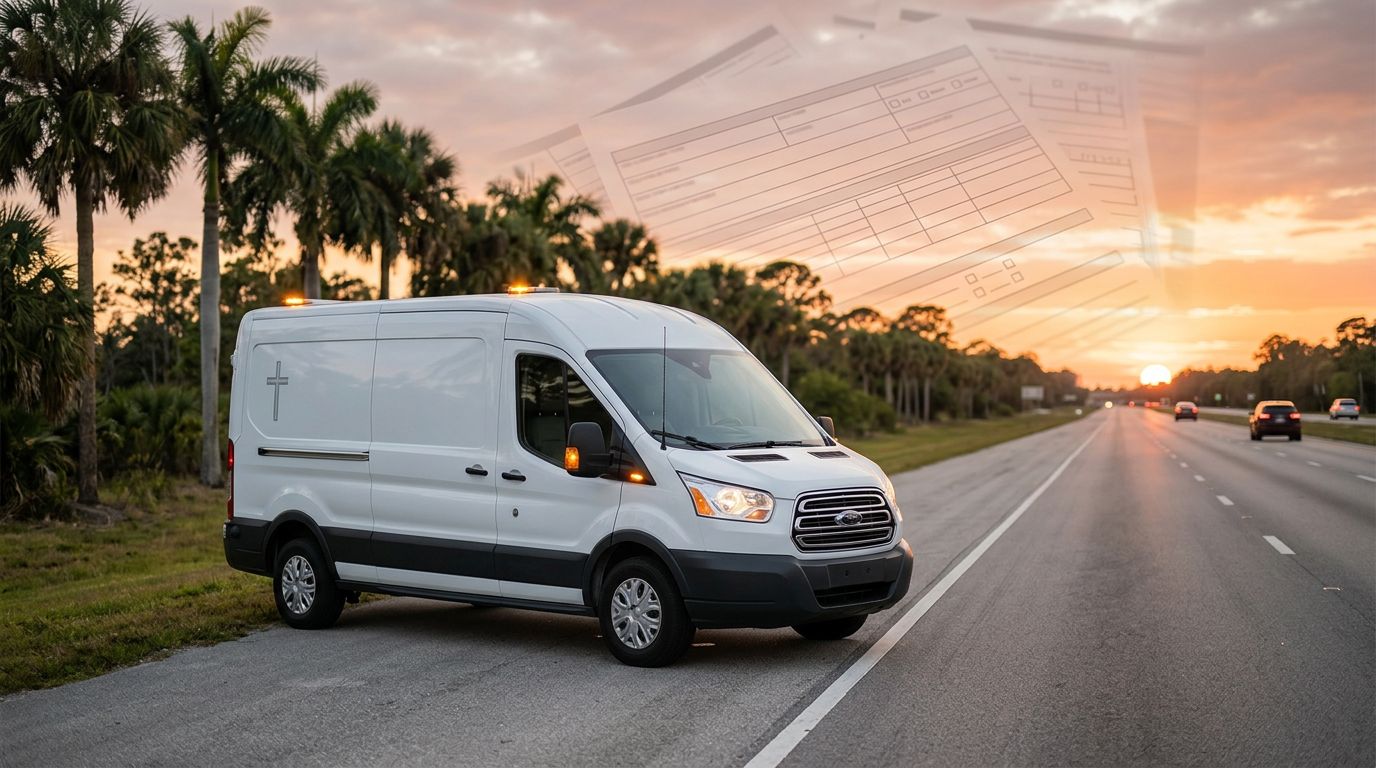
A church van crash can turn into a maze of insurance questions fast. One moment, a group is headed to worship, camp, or a youth trip. The next, people are asking which policy applies, who pays first, and why the insurer is already pushing back.
Recent Florida reports through May 2026 do not show a fresh wave of church van crashes, but the same claim problems keep showing up. The old pattern is familiar: limited coverage, policy disputes, and injuries that cost far more than the first insurance check suggests.
Why church van crashes create complicated claims
Church vans are often used in ways that regular family cars are not. They carry more passengers, travel longer distances, and may be driven by volunteers instead of full-time staff. That mix makes insurance questions harder from the start.
A crash involving a church van can raise several layers of liability. The driver may be blamed, but the church may also face questions about maintenance, training, or vehicle use. If another driver caused the wreck, that driver’s insurer may still deny blame or argue over how serious the injuries are.
Older Florida cases show how quickly these claims can grow. A 2019 church van rollover near Fort Myers and another deadly 2019 crash near Gainesville both led to major insurance and liability disputes. Those crashes were severe, but the same coverage issues can appear in smaller wrecks too.
Florida no-fault coverage is only the first layer
Florida still uses a no-fault system for most auto crashes. That means the first claim often starts with Personal Injury Protection, or PIP. The state also requires Property Damage Liability, or PDL, on most four-wheel vehicles. The minimum coverage rules are listed on the Florida Department of Highway Safety and Motor Vehicles insurance requirements page.
PIP can help with early medical bills and some lost wages. However, it has a limit, and that limit can disappear quickly after a van crash. If someone needs surgery, rehab, or long-term care, PIP usually is not enough.
PIP can open the door, but it rarely carries the whole claim.
That is why church van crash claims often move beyond the first layer. Once injuries are serious, the focus shifts to other policies, other drivers, and proof of fault. For a plain-language look at how the first layer works, see Florida no-fault car insurance explained.
Which insurance policies may pay after the crash
Several policies can overlap after a church van wreck. The challenge is figuring out which one applies first, and which one tries to avoid paying at all.
Here is a simple breakdown:
| Possible policy | What it may cover | Common dispute |
|---|---|---|
| PIP | Early medical bills and some lost wages | Whether the claimant met Florida timing rules |
| At-fault driver liability coverage | Injury damages beyond PIP | The driver denies fault or says the injuries are minor |
| Church auto policy | Accidents involving the church-owned van | The insurer claims the vehicle was used outside policy terms |
| Umbrella policy | Extra coverage after primary limits are used | Whether the umbrella follows the auto claim |
| Driver’s personal auto policy | Sometimes applies if the driver used a personal vehicle | The insurer says church use was excluded |
The table shows the core problem. One policy rarely tells the whole story. Instead, the claim turns on how the van was owned, who drove it, and what the church was doing that day.
That is why policy documents matter so much. A declarations page, endorsements, and exclusions can change the claim picture. If the church or insurer delays, a complete policy review can expose coverage gaps early. A useful starting point is Florida car accident policy disclosure requirements, which explains why the actual policy copy matters more than a summary sheet.
Why the church’s policy language matters
Churches often assume a simple auto policy will cover every van trip. That belief can cause trouble. Some policies limit who may drive, how many passengers may ride, or what counts as approved use.
Volunteer drivers create another layer of risk. If a staff member gave permission informally, the insurer may still argue that the trip fell outside the policy terms. If the van was borrowed or rented, the dispute can get even messier.
Maintenance language also matters. Insurers look at tire records, service logs, and prior complaints. If a tire failed, they may ask whether the church ignored warning signs. If the van had repeated brake problems, they may use that to challenge the claim or reduce payment.
A policy review helps answer the right questions early:
- Was the van listed on the policy?
- Was the driver allowed to operate it?
- Did the trip fit the church’s normal use?
- Did the policy exclude passenger vans, shuttle use, or out-of-state travel?
- Was there an umbrella policy that could add another layer of coverage?
These details can decide whether the claim stays small or becomes a larger injury case. They also explain why church leaders should keep records in order long before a crash happens.
Passenger injuries often change the claim value
Passenger injuries are different from many driver claims. People riding in a church van may have little control over what happened, so fault arguments often focus on the driver, the church, or another vehicle.
When passengers are hurt, the claim may include medical bills, lost pay, future treatment, and pain. If the injuries are serious, the case may move beyond no-fault limits and into broader liability claims. For a closer look at these issues, see Florida passenger injury claims after crashes.
Seat belts can also become a flash point. Insurers may try to reduce payments by claiming a passenger was unbelted or improperly seated. That does not end the case, but it can affect the fight over damages. Occupancy matters too. A van packed beyond a safe limit gives the insurer another argument to use.
Families often ask whether a church should have known better. That question matters because it can affect who is responsible for the crash and who may have breached a duty of care. If children, elderly riders, or out-of-town guests were involved, the facts deserve extra care.
Evidence that can change the insurance picture
Insurance companies do not pay based on sympathy. They pay when the file is organized and the proof is strong. That is true in church van crash claims, where the facts often become tangled quickly.
The best evidence usually includes:
- The police report and crash photos
- The van’s maintenance records
- Driver rosters and permission logs
- Insurance cards and policy copies
- Medical records and billing statements
- Witness names and contact information
- Any church trip forms, schedules, or event notices
Small details can matter a lot. A tire inspection done two weeks before the crash may help show the van was maintained. A text message about driver assignment may help prove who was responsible. A medical note from the day of the wreck may help connect the injury to the crash.
The fastest way to weaken a claim is to let records disappear.
A careful demand package helps bring all of that proof together. It shows the insurer the crash, the injuries, and the losses in one place. If the claim has already stalled, building a settlement demand letter can help frame the case around the evidence that matters.
What churches and families should watch for right away
The first days after a crash matter more than people expect. Report the wreck, seek medical care, and preserve the vehicle before repairs erase evidence. If the church owns the van, it should save maintenance records, driver assignments, and any trip approvals.
Families should also avoid assuming the first coverage answer is correct. Insurance adjusters sometimes treat a church van like an ordinary car, when the policy language says something different. In other cases, they focus only on PIP and ignore other coverage layers that may apply.
The right question is not, “Was there insurance?” The better question is, “Which policy applies, what does it exclude, and what proof backs the claim?” That shift changes the whole case.
Conclusion
Church van crashes create hard insurance questions because the facts rarely fit one simple policy. Florida’s no-fault rules may help at the start, but they do not solve every loss, especially when injuries are serious or the van was used under a church policy with limits and exclusions.
The strongest claims are the ones built on records, policy copies, and a clear timeline. When the coverage picture is sorted out early, families have a much better chance of finding the money that is actually available.