
How to Get Body Cam Video After a Cape Coral Car Crash (Agencies, Request Wording, Fees, Timelines)
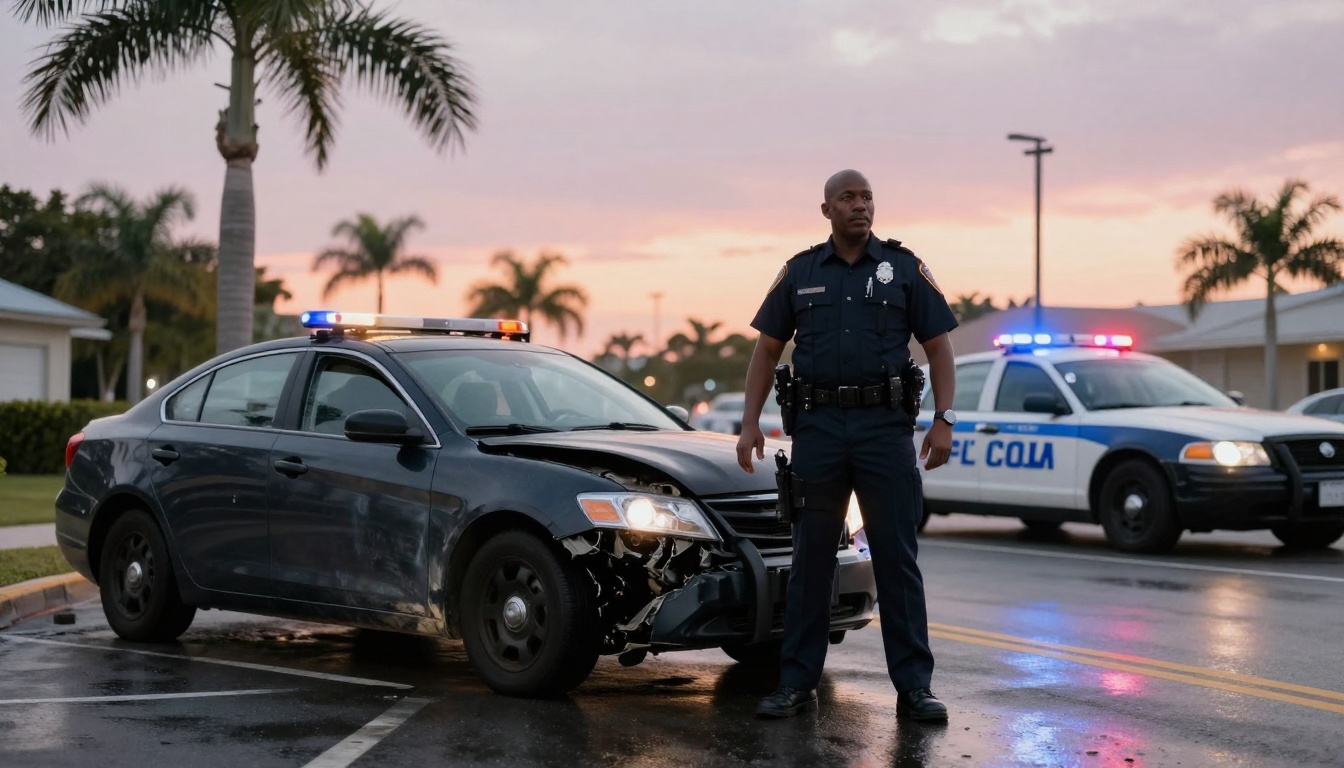
After a wreck, memories get fuzzy fast. A police body camera doesn’t. If an officer spoke with drivers, checked for injuries, ran field sobriety tests, or documented the scene on video, that time-sensitive footage serves as vital insurance claim evidence when building a car accident claim.
Getting Cape Coral body cam video is usually possible, but it’s not automatic. You have to ask the right agency, describe the incident clearly, and expect some waiting while they review and redact footage.
Below is a practical guide to who holds the video, how to request it, what you might pay, and what timelines are realistic in January 2026.
First, figure out which agency actually has the body cam video
The key is simple: body cam footage is kept by the agency whose officer wore the camera. In Cape Coral, the Cape Coral Police Department and CCPD Records Division are primary points of contact for municipal incidents, but more than one agency can respond depending on where the crash happened and what else was going on (DUI, serious injury, pursuit, etc.).
Here’s a quick way to narrow it down:
| If this is who responded… | Your likely records source | Where to start |
|---|---|---|
| Cape Coral Police Department (CCPD) | CCPD Records Division | Cape Coral PD Public Records Portal |
| Lee County Sheriff’s Office (LCSO) | LCSO records | Lee County Sheriff’s Office records page |
| Not sure who responded | Start with the crash report agency, then ask for “all body-worn camera footage” | Use your report to confirm the agency |
If the crash occurred on state roads, the Florida Department of Transportation (FDOT) might be relevant.
If you already pulled your crash report, check the header and officer information. That’s usually the fastest way to confirm the custodian. Crash reports are often filed through the FLHSMV. If you still need the report, this guide can help: Getting your crash report in Cape Coral.
One more thing: the City of Cape Coral also has a centralized public records function, but police video is often handled directly by the police department. If you need general guidance on city public records channels, see the city’s records management and public records requests page.
Request wording that gets results (and avoids delays)
A public records request doesn’t need legal language. It needs precision. Think of it like ordering a custom coffee: the more specific you are, the less back-and-forth you’ll face.
When requesting Cape Coral body cam video, include:
The incident basics: date, approximate time, location (intersection, address, or nearby landmark).
The event type: “traffic crash,” “DUI investigation,” “hit-and-run,” etc.
Identifiers if you have them: case number, crash report number, CAD call number, officer name, badge number.
What you want: body-worn camera footage (and optionally dash cam footage, in-car video, or dispatch audio).
Delivery format: ask for a digital copy by email link or download when available.
Your connection (optional): driver, passenger, owner, witness. Florida public records requests are not limited to “involved parties,” but stating your role can reduce confusion.
Preservation notice: Immediately send a preservation letter or a spoliation letter to prevent automatic deletion by the agency’s internal systems.
Sample request you can copy and paste
You can submit this formal written request through the portal, email, or in writing for better tracking:
Subject: Public Records Request, Body-Worn Camera Footage, Traffic Crash on (date)
Hello,
I am requesting copies of all body-worn camera footage related to the traffic crash on (date) at approximately (time) at (location/intersection) in Cape Coral, Florida. If available, please include footage from all responding officers on scene and any related in-car video.
If there is a case number or incident number for this event, it may be: (number if known).
Please provide the records in digital format (download link or email delivery if available). If there will be costs, please send a written estimate before processing.
Thank you,
(Full name)
(Phone)
(Email)
If you’re still in the first 24 hours after the crash, lock in evidence early. This checklist can help you avoid common mistakes: What to do after a Cape Coral car accident.
Fees, redactions, and realistic timelines in Florida
What you might pay
Florida agencies can charge for duplication and, when a request takes significant staff time, a “special service” charge for the labor involved. For video, costs often depend on how much footage exists and how much review is needed.
To control cost, try these practical moves:
Narrow the time window: “from 2:05 p.m. to 2:45 p.m.” beats “everything from that day.”
Request only body cam first: add dispatch audio or other video later if needed.
Ask for an estimate upfront: this prevents surprise invoices.
Ask for digital delivery: it can reduce per-page copying and handling costs.
If your incident involved LCSO and you’re also requesting paperwork, their site notes a standard copy charge (and explains when fees may be waived for certain people): LCSO report request information. (Body cam fees can differ, so still ask for an estimate.)
Why footage gets redacted
Even when video is public, parts may be blurred, muted, or withheld. Common issues include:
- Medical scenes (ambulance treatment details)
- Inside private spaces, like homes
- Identifying information, including driver’s license data or juvenile info
- Ongoing investigations, where limited exemptions can apply
Redaction doesn’t always mean “denied.” It often means you’ll get a version that includes privacy redactions.
How long it usually takes
Florida public records law focuses on “prompt” production, not a fixed number of days. In real life, timelines depend on workload and how hard the video is to review.
Many requests follow this pattern:
- Shortly after you submit: you may get an acknowledgment or a request for more details.
- 1 to 4 weeks: common for routine, clearly described requests.
- Longer than a month: more likely when there’s a serious injury crash, a DUI case, heavy redaction needs, or multiple officers with multiple files.
Keep in mind that every agency has a specific video retention period, and the retention window can be surprisingly short. Once the window closes, the footage is gone forever, making early action essential for your car accident claim. If you’re up against an insurance deadline, don’t wait. Request the video early, and follow up in writing.
If the video is delayed or denied, take these next steps
When you feel ignored, it helps to treat follow-up like tracking a certified letter: calm, documented, and persistent.
Follow up with specifics: reference your original request date and repeat the incident details.
Ask what’s needed: “Do you need a case number or a narrower time window?”
Request the reason in writing if any portion is withheld, and submit a preservation request to prevent deletion of the footage.
Explore alternative video sources: if body cam footage falls short, check for traffic camera footage or surveillance camera footage nearby; look for red-light camera video at major intersections and ask local shops for business surveillance cameras recordings.
Consider a legal review if the video is central to fault or injuries, especially in disputed crashes; if an agency refuses a preservation request, you may need a subpoena or legal order to compel production of traffic camera footage, surveillance camera footage, or other evidence.
If your crash caused injuries, video often becomes one piece of a bigger proof package (medical records, photos, vehicle damage, witness statements). A personal injury attorney can help gather this alongside witness statements. If you want to speak with someone about the full claim picture, start here: Cape Coral personal injury attorneys.
Conclusion
Cape Coral traffic incidents demand quick action to protect your interests. Begin by obtaining the crash report as the first step, then submit your Cape Coral body cam video request, which is usually a paperwork problem, not a mystery. Find the right agency, such as FLHSMV for documentation needs, describe the crash with tight details, ask for digital delivery, and request a cost estimate before they process it. If the online portal feels confusing, calling the non-emergency line to reach the records clerk can clarify requirements. When delays hit, follow up in writing and keep your timeline in mind, because video can shape fault decisions long before a case ever reaches a courtroom.