
Cape Coral Crash Evidence Preservation Letter: What to Send, Who Gets It, and What to Demand Before Evidence Disappears
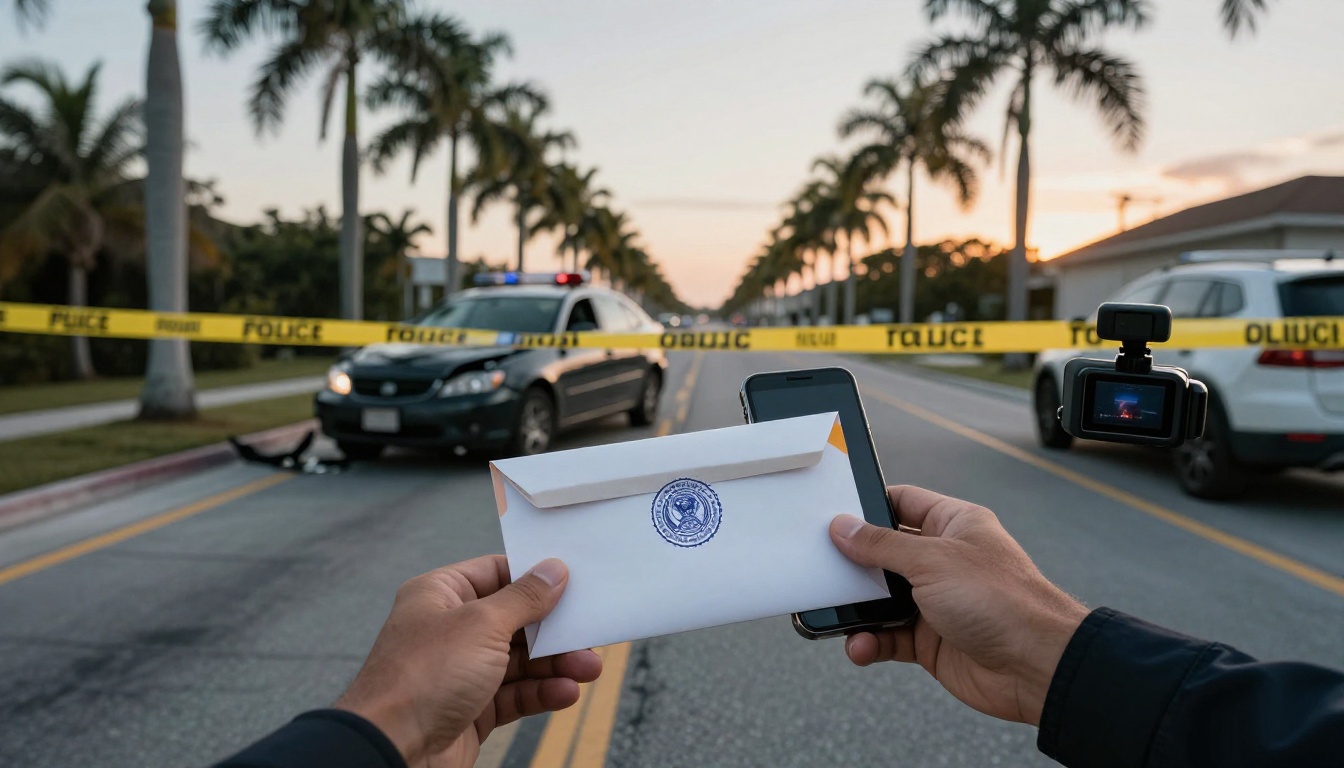
After a Cape Coral crash, evidence can vanish fast. Video gets recorded over, cars get repaired, and phones get wiped. Weeks later, everyone’s “sure” what happened, but the proof is gone.
That’s why an evidence preservation letter matters. Consulting a personal injury attorney can help ensure the evidence preservation letter is drafted with the necessary legal weight to prevent vital proof from vanishing. Think of it like putting a clear label on the evidence that says: don’t touch this, don’t delete it, don’t “lose” it. Done right, it can stop the most common problem in injury claims: the best evidence disappears before anyone can review it.
Why an evidence preservation letter matters in a Cape Coral crash
An evidence preservation letter (often called a spoliation letter) is a written demand sent to people or companies who may control crash-related proof. The goal is simple: freeze the evidence in place before it gets destroyed, overwritten, or altered.
This is especially important in Florida cases under Florida evidence rules because so much crash proof is time-sensitive:
- Surveillance and doorbell video may be overwritten in days.
- Vehicles get moved to tow yards, then auctions, then scrap.
- Commercial vehicles may download or cycle data without anyone thinking about litigation.
- Insurers may inspect and authorize repairs quickly.
The letter also matters because once a person or business is on notice that a claim is likely, they have a legal obligation to preserve evidence. Notifying the insurance company early via this letter is a standard procedure to freeze data. If they fail to comply, it may lead to the spoliation of evidence later. That doesn’t automatically win a case, but it can change how a claim gets valued and argued.
If you’re still in the first 24 to 72 hours after the wreck, taking immediate action with the basics that protect proof at the scene is critical. Avard Law Offices has a practical guide on immediate actions to protect evidence in Cape Coral accidents, and those steps work well alongside a preservation letter.
Who should receive your preservation letter (not just the other driver)
Many people send a letter only to the at-fault driver. That’s a start, but it’s often not enough. You want the letter in the hands of anyone who might control the items you’ll need later.
Here are common Cape Coral recipients that come up in crash claims:
- The other driver and their insurer: The insurer may control inspections, photos, recorded statements, and repair decisions.
- Vehicle owner and employer (if it’s a work vehicle): Company policies, driver training files, GPS, dispatch logs, and maintenance records can matter.
- Trucking company and related contractors (if a commercial truck accident was involved): This can include the motor carrier, broker, shipper, and maintenance vendor. If it’s a regulated carrier, federal recordkeeping such as driver logs can be part of the picture, see Federal Motor Carrier Safety Administration (FMCSA) guidance.
- Tow yard and storage facility: They may hold the vehicles, loose parts, and personal property, and they may have lot cameras.
- Repair shop or body shop: Once repairs start, crush damage and component failures may be impossible to evaluate.
- Rideshare company (Uber/Lyft cases): Trip records, app status, and driver activity logs can be key.
- Property owners with cameras: Gas stations, condos, HOAs, and nearby businesses often have surveillance video footage that captures impact or traffic flow.
- Government agencies: If there’s bodycam, 911 audio, or traffic camera footage, an agency might have it. Florida public records requests can help, see Florida Attorney General public records resources.
A personal injury attorney should identify these recipients to ensure no one is missed. A common mistake is waiting until you “feel better” to deal with proof. By then, the proof may already be gone. If you want a quick reminder of other pitfalls, review mistakes that jeopardize evidence in Cape Coral accidents.
What to include and what to demand in the letter
A strong evidence preservation letter has two jobs: identify the incident clearly and describe the evidence with enough detail that no one can claim confusion later.
At a minimum, include:
- Your identifying info (or your attorney’s), plus the best contact details.
- Crash details: date, time, location, vehicles involved, and the names you know.
- A clear preservation demand: instruct them not to destroy, alter, erase, overwrite, repair, sell, or dispose of any relevant evidence.
- A litigation hold request: ask them to notify employees, vendors, and insurers to preserve evidence in their possession or control.
- A request for written confirmation that they received the letter and will comply.
Then get specific about what you want preserved. The right list depends on the crash, but these are common high-value items essential for determining fault and liability:
| Evidence to preserve | Why it matters |
|---|---|
| Event Data Recorder (EDR) / black box data | Captures speed, braking, seatbelt use in some events, see NHTSA EDR information |
| Dashcam, surveillance, doorbell video | Shows impact, signals, lanes, and timing |
| Physical evidence: vehicle condition and parts | Proves crush patterns, point of impact, and possible defects |
| Phone data and app activity | Can support or refute distraction claims |
| Commercial logs (ELD, GPS, dispatch) | Shows route, driving time, speed, and stops |
| Witness statements | Provides firsthand accounts crucial for establishing fault and liability |
What to demand, in plain language
Instead of vague requests like “keep all evidence,” ask for actions:
- Preserve the vehicles as-is and do not repair, dismantle, or total them until inspection.
- Preserve and download electronic control module (ECM) data and perform EDR data retrieval (including GPS and ELD) using proper methods.
- Save all video from a set time window (for example, 60 minutes before to 60 minutes after).
- Keep photographs, vehicle inspection reports, and inspection notes taken by insurers, adjusters, and investigators.
- Maintain chain of custody for any parts removed or stored.
- Identify where the evidence is (who has it, where it’s stored, and how long it’s kept).
- Offer inspection access at a reasonable time and place, before any major changes occur.
Details matter. “All video from the front entrance camera” is better than “any video you have.” If you know the intersection, name it. If you know the camera system overwrites in 7 days, say so and demand immediate retention.
How to send it so it holds up later
A preservation letter, a formal legal document, only helps if you can prove it was received and if it arrives before evidence is gone.
Send your notice to preserve evidence fast, then send it in a way that creates a paper trail:
- Use certified mail, return receipt requested when possible.
- Also send by email (and save the sent message, delivery confirmation, and any reply).
- If you have a claim number, put it in the subject line and the first paragraph.
- Address it to a specific role (claims adjuster, risk manager, registered agent), not just a company name.
Keep a simple file with the letter, attachments, and proof of delivery. If the vehicle is sitting in a yard, call and confirm they won’t release or scrap it, then follow up in writing.
Finally, match your letter with smart next steps. The preservation letter is not the whole plan. It’s the “stop sign” that buys time so your claim can be investigated the right way. If you need a broader roadmap for the early days after a wreck, Avard Law Offices also explains what to do after a car accident in Cape Coral, FL.
If a party ignores the notice to preserve evidence, they may face court sanctions, or the jury may receive an adverse inference instruction. These serious repercussions highlight why properly sending this formal legal document is crucial to the overall success of your personal injury claim.
Conclusion
In a Cape Coral personal injury claim, the best proof often disappears first. A well-written evidence preservation letter helps prevent that by putting the right people on notice and demanding specific action. Send it early, send it to everyone who controls key evidence, and be clear about what must be preserved. For your Cape Coral crash, if the evidence is the story, this letter is the most effective tool to stop the clock on data deletion.