
Cape Coral crash reconstruction basics, how to hire an expert, what they need, and what it costs
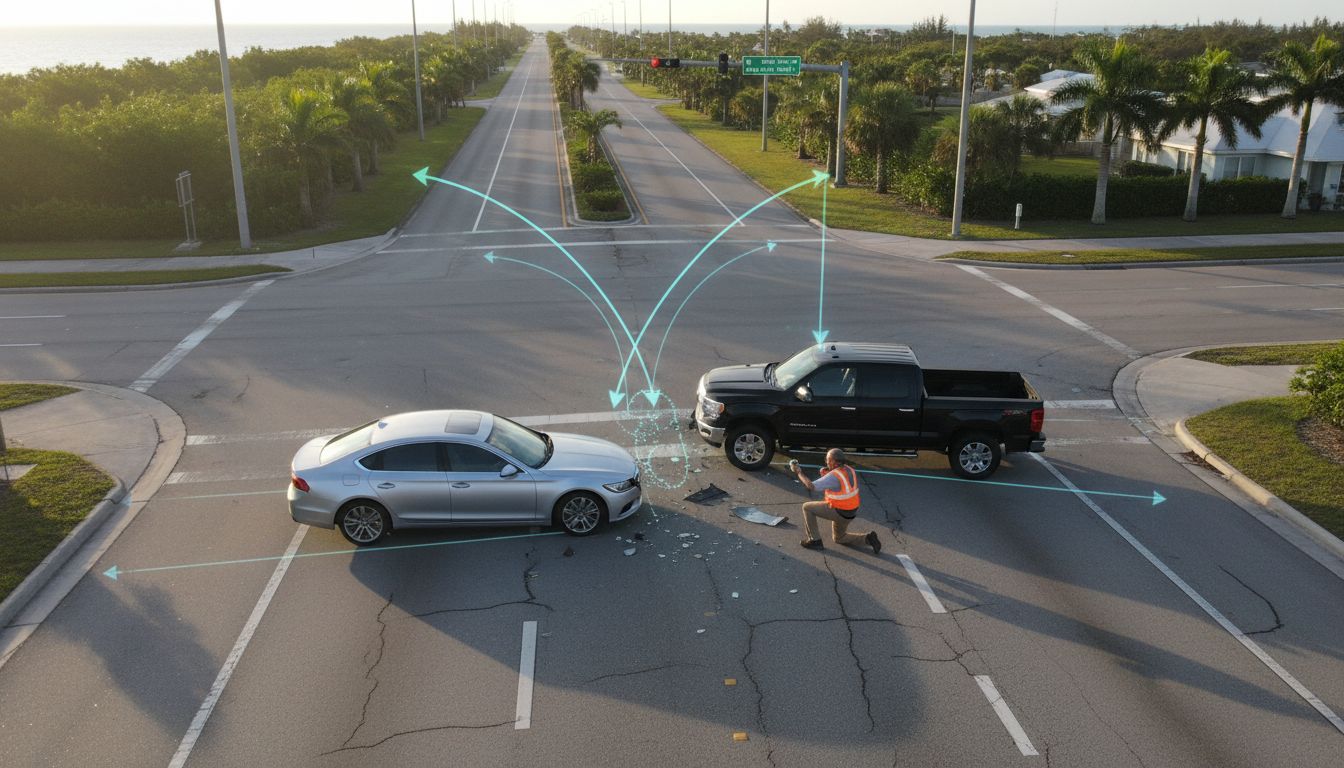
After a serious wreck in Cape Coral, the story often splits in two. Each driver remembers something different, and witnesses drift away. Meanwhile, the road keeps changing. Skid marks fade, debris gets swept, and vehicles get repaired or sold.
That’s where crash reconstruction can help. It turns physical evidence into a tested explanation of how the collision happened, including speed, lane position, braking, and timing. If you’re dealing with injuries and an insurance company that’s pushing back, the right expert can make the facts harder to ignore.
What crash reconstruction actually does (and why it matters in Cape Coral)
Crash reconstruction is a science-based review of the collision, not a guess. A qualified expert uses measurements, engineering principles, vehicle data, and scene evidence to explain what likely happened, step by step. Think of it like taking a blurry argument and bringing it into focus.
In Cape Coral, reconstruction can be especially useful because local driving conditions create recurring disputes. Tourists miss turns, roads can feel maze-like near canals, and bridge approaches leave little room for error. If you want a quick primer on patterns that often drive fault debates, see these common causes of Cape Coral car accidents.
A reconstruction expert may analyze:
- Scene evidence: skid marks, yaw marks, gouges, debris fields, and final rest positions.
- Vehicle damage: crush patterns, impact points, and whether damage matches the claimed direction of travel.
- Timing and visibility: reaction time, sight lines, lighting, and whether a driver had room to avoid impact.
- Digital evidence: dashcam clips, traffic camera video, and sometimes vehicle event data.
Reconstruction tends to matter most when liability is disputed or the injuries are severe. It’s also common in multi-vehicle crashes, motorcycle and pedestrian cases, and commercial vehicle collisions. In those cases, a clean explanation can stop the other side from rewriting the timeline.
A strong reconstruction doesn’t just say “Driver A caused it.” It shows how the physics and the evidence support that conclusion.
How to hire a crash reconstruction expert (without wasting time or money)
Most people don’t hire a reconstructionist directly. Instead, a personal injury attorney retains the expert, sets the scope, and makes sure the work product fits the legal issues in the claim. That structure also helps protect the chain of custody for evidence and reduces expensive false starts.
If you are choosing or vetting an expert, focus on credibility first, then communication.
Credentials that usually signal quality
Look for background that matches the complexity of the crash. Many strong experts are engineers, former traffic homicide investigators, or both. Common credibility markers include:
- ACTAR accreditation (a widely recognized credential for reconstructionists)
- P.E. licensure (Professional Engineer) for engineering-based opinions
- Prior testimony experience in Florida courts, when testimony is likely
If you need a starting point for vetting credentials, directories can help you build a short list. For example, you can review ACTAR-accredited crash experts or search Florida listings in the SEAK expert witness directory.
Questions worth asking before you sign anything
A good expert should answer plainly, without dodging:
- What evidence do you need first, and how fast?
- What’s your expected timeline for a preliminary opinion and a final report?
- Have you handled cases like mine (intersection, rear-end, motorcycle, multi-car)?
- Do you do site inspections, and do you use 3D mapping when needed?
- What are your hourly rates and minimum charges, including testimony?
Also, ask how they handle “bad facts.” A reliable expert follows the evidence, even when it cuts against one side’s story. That independence is often what makes the opinion persuasive.
What the expert will need from you, and what crash reconstruction costs in 2026
Reconstruction depends on inputs. If key evidence disappears, even a great expert can’t recreate it. The first week after the crash often matters more than people realize. A practical starting point is sending a written request to preserve vehicles and records. This guide explains how a Cape Coral evidence preservation letter works and who should receive it.
What to gather as soon as you can
An expert commonly asks for:
- Photos and videos from the scene (wide shots and close-ups)
- The crash report number and any supplemental diagrams
- Witness names and contact details
- The tow yard or storage location for each vehicle
- Any available video sources (business cameras, traffic cameras, dashcams)
- Vehicle details, including prior damage and repair history
In many modern vehicles, the car itself may hold critical data. Event Data Recorder (EDR) information, often called “black box” data, can sometimes show pre-crash speed, braking, and seat belt use. If you suspect that data exists, timing matters. Here’s a detailed walkthrough on vehicle black box data after a Cape Coral crash.
If a vehicle gets repaired, totaled, or scrapped, you can lose measurements and electronic data for good. Preserve first, sort it out second.
Typical pricing ranges you might see (real-world estimates)
Costs vary by complexity, travel, and whether testimony is needed. Still, these ranges are commonly cited for Florida crash reconstruction work in 2026.
| Cost item | Common range | What drives the price |
|---|---|---|
| Hourly consulting (engineering or reconstruction work) | $150 to $400 per hour | Credentials, complexity, urgency |
| Basic scene review (photos, report, preliminary opinion) | $500 to $2,500 | Volume of materials, clarity of evidence |
| Site inspection and measurements | $1,000 to $3,500 | Travel, equipment, time on scene |
| Full written report with exhibits | $2,000 to $10,000+ | Multi-vehicle events, 3D models, heavy data review |
| Deposition or trial testimony | $300 to $600 per hour (often with minimums) | Prep time, court time, travel |
The takeaway is simple: reconstruction can be affordable for straightforward disputes, but it can also become a major case expense when the collision is complex. Many injury firms advance expert costs and seek repayment from the recovery, but that depends on the fee agreement and case posture.
Conclusion
When fault is contested after a Cape Coral crash, crash reconstruction can turn scattered facts into a clear, testable explanation. The best results come from early preservation, the right credentials, and a focused scope of work. If you’re weighing whether reconstruction is worth it, start by protecting the vehicles and video sources, then talk with counsel about whether an expert will truly move the needle in your case.