
What To Do After A Crash With A Company Vehicle In Florida
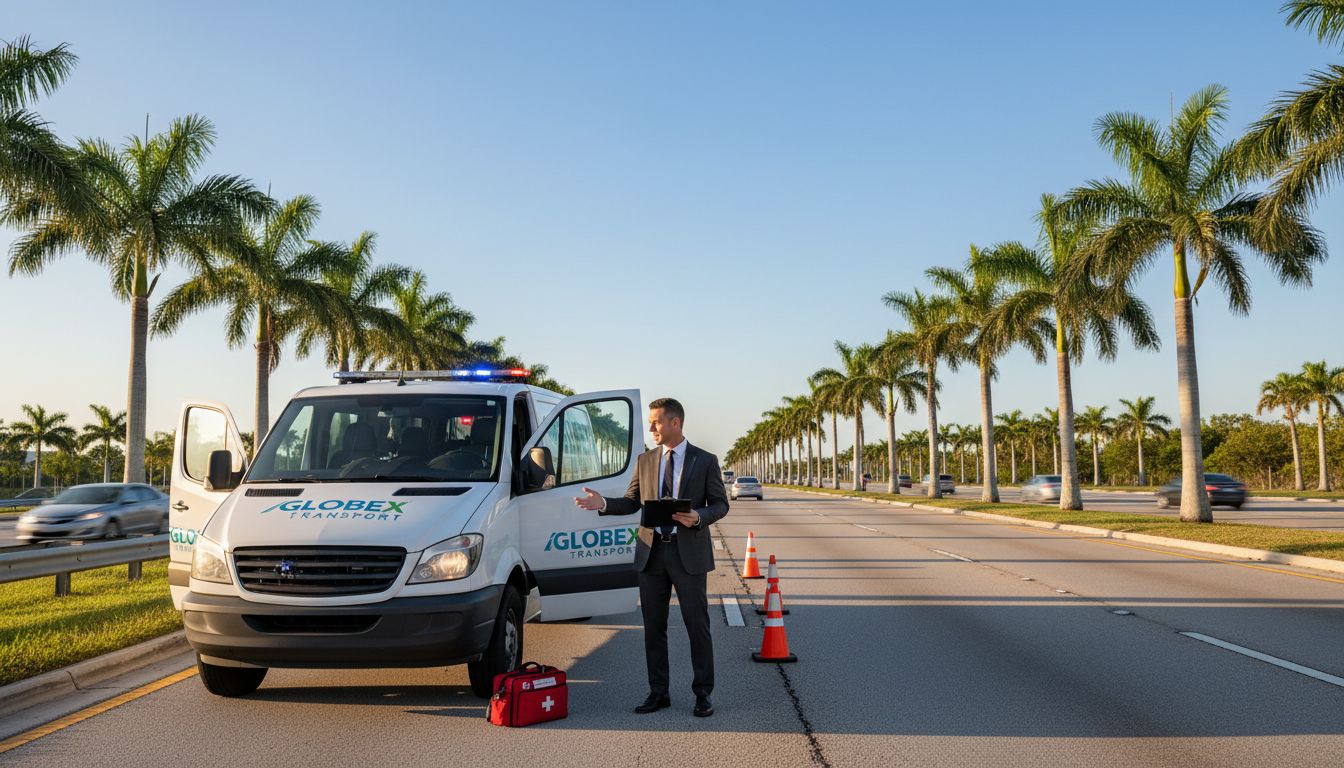
A crash is stressful enough, then you notice the other driver is in a marked truck or a fleet car. Suddenly, you’re dealing with more than two drivers and two insurance cards. A Florida company vehicle accident can involve an employer, a commercial policy, and work records that disappear fast if no one preserves them.
The good news is the first steps are the same ones that protect you in any wreck. Your job is to stay safe, get medical care, create a clean paper trail, and avoid mistakes that insurance companies use later. The sections below walk you through what to do at the scene, what to report afterward, and how company vehicle claims usually work in Florida.
The first 30 minutes: protect people first, then protect the facts
In the moment, think of the crash like a spill on a job site. Safety comes first, then documentation, then reporting. Do both, even if the other driver says their boss “will take care of it.”
Start here, in order:
- Get to safety if you can. Move out of lanes, turn on hazards, and watch traffic.
- Call 911 if anyone feels hurt, if there’s heavy damage, or if the scene isn’t safe.
- Ask for law enforcement when required. Florida expects drivers to contact police right away for crashes involving injury, death, or at least $500 in damage, according to FLHSMV guidance for drivers involved in a crash.
- Take scene photos before vehicles move, if it’s safe. Get wide shots, then mid-range, then close-ups.
- Identify the company connection. Photograph the vehicle branding, DOT numbers (if any), the driver’s license, and all insurance cards.
Company drivers often have a “company card” with a claims number. Still, get the driver’s personal insurance information too. Also write down the employer’s name, dispatcher number, and the driver’s job title if they share it.
If you’re able, collect quick witness info. Names, phone numbers, and a one-sentence summary helps. Avoid debating fault at the roadside. Even a polite “Sorry, I didn’t see you” can get twisted later.
For photo guidance that actually helps prove how the crash happened, use this resource on Cape Coral crash scene photo tips. The same approach works anywhere in Florida because it focuses on lanes, sight lines, and final rest positions.
A simple rule: if it would change tomorrow (skid marks fade, debris gets swept, vehicles get towed), photograph it today.
Reporting the crash and getting the paperwork right (without creating new problems)
After the scene clears, the claim starts to live or die on paperwork. With a company vehicle, you’re also racing the clock on business records like GPS data, dispatch logs, and maintenance files.
Get the crash report and confirm the basics
If police responded, ask how to obtain the report and the report number. Florida crash reports can take time to post. The state’s hub for access is the FLHSMV Traffic Crash Reports page, which explains availability and how to request a copy.
When you read the report, focus on factual items first:
- Correct names, addresses, and vehicle details
- Correct location and time
- Witnesses listed
- Diagram accuracy, at least in a basic way
If something is wrong, address it quickly. Don’t “edit” the story with the officer at the scene while emotions run high. Instead, gather documents and handle corrections the right way.
Notify the right parties, but be careful with statements
If you were driving a company vehicle for work, report the crash to your supervisor as soon as you’re safe. Ask what forms they need, and keep a copy of anything you submit. If you were off the clock in your personal car, you generally don’t have an employer reporting duty, but you still need to notify your insurer.
When an adjuster calls, keep it tight. Provide basic facts, but avoid guessing speed, distance, or what someone “must have been doing.” Also avoid agreeing to a recorded statement before you’ve had medical care and time to review what happened.
Get medical care and follow through
Many injuries show up later, especially neck, back, and shoulder strains. Adrenaline can mask pain for hours.
Get checked the same day if possible. Follow-up matters too because gaps in care are a common excuse to downplay injuries. Keep every discharge paper, imaging order, and prescription receipt. Those records become the bridge between the crash and your diagnosis.
If you want a clear list of what insurers look for, this guide on essential evidence for car accident claims lays out the documents that tend to matter most.
How liability and insurance work when the other vehicle is owned by a business
A company vehicle changes the claim because there may be more than one policy, and more than one responsible party. That can be good for an injured person because commercial policies often have higher limits. It can also mean a tougher defense, faster investigators, and more pressure to settle cheap.
When the employer may be responsible
If the driver caused the crash while acting within their job duties, the business may be legally responsible. In plain terms, employers often answer for employees who cause harm while working. Disputes usually focus on whether the driver was “on the job” at the time.
Common examples that still count as work activity include:
- Deliveries and service calls
- Driving between job sites
- Running an errand for a supervisor
- Returning a company truck to the yard
On the other hand, a personal side trip can turn into a fight. That’s why early proof matters. A lawyer can send preservation letters for records like GPS pings, route logs, and dispatch notes.
Florida’s fault rules still matter, even with a company involved
Florida uses a modified comparative fault system. If you’re more than 50 percent at fault, you can be barred from recovering damages in many negligence cases. If you’re 50 percent or less at fault, your compensation is reduced by your share of fault.
That’s one reason insurers push partial blame early. A small “shared fault” claim can shrink a settlement fast. For a plain-English explanation, see Florida’s 51% fault rule impact on claims.
Don’t forget property and personal items
Company vehicle crashes often involve trucks, ladders, toolboxes, and cargo. Your losses can include more than vehicle repair. Phones, car seats, glasses, and work gear may be reimbursable, but you need proof.
Save purchase receipts if you have them, take photos of damaged items, and don’t throw things out until the claim is resolved. This overview of recovering personal property damages after a car crash explains how these losses are commonly handled.
When to talk to an attorney
A Florida company vehicle accident can look simple at first, then turn complicated when the business denies the driver was working, a commercial insurer delays, or injuries worsen.
Consider legal help when there are injuries, a dispute about fault, or pressure to sign releases. It also helps when the company’s insurer wants a quick recorded statement or asks for broad medical authorizations.
Conclusion
After a crash with a company vehicle in Florida, act like the scene is a disappearing chalkboard. Get help, document everything, report the crash the right way, and keep your medical care consistent. Because employers and commercial insurers move fast, evidence often decides the outcome as much as the impact itself. If you’re facing pushback or unclear coverage, getting legal advice early can protect your claim and your recovery.