
Florida On-The-Record Disability Decisions In 2026 Explained Simply
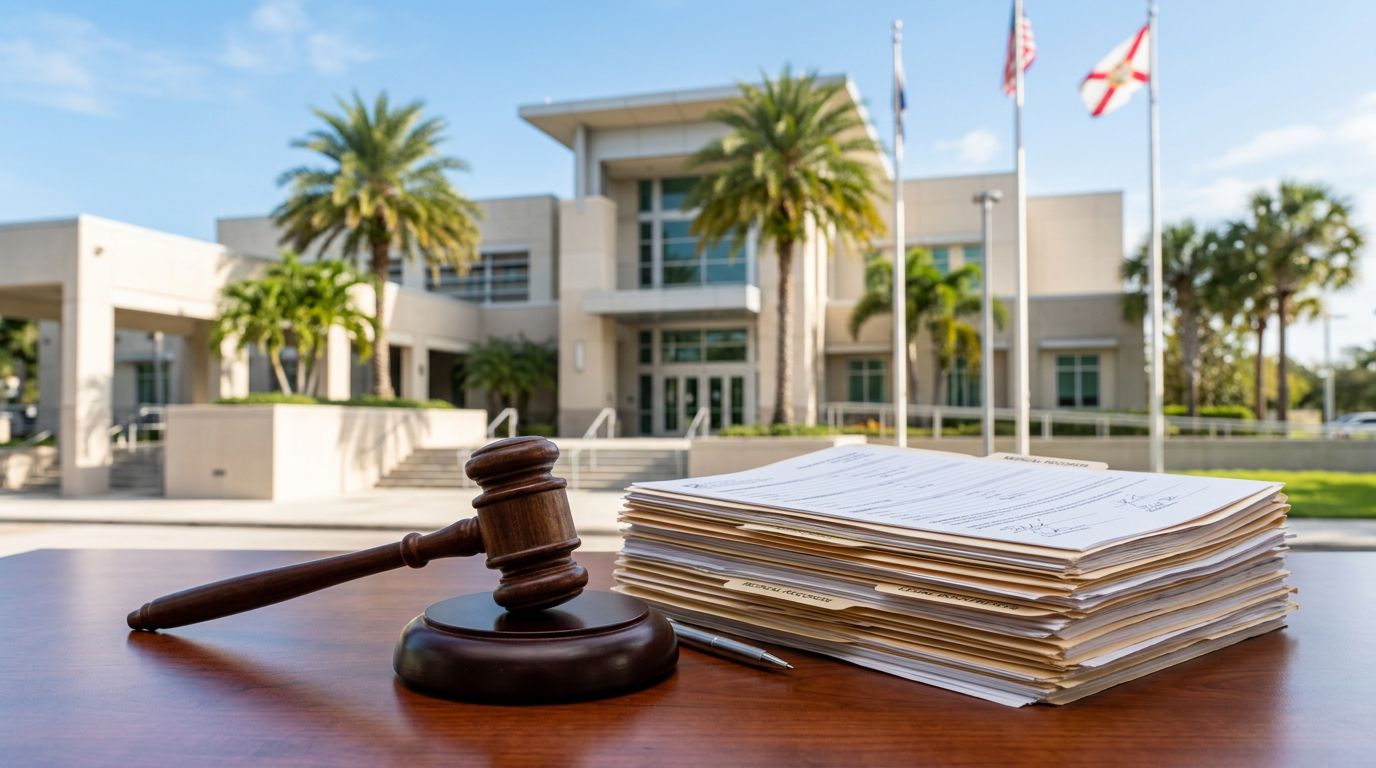
If you’ve been denied disability and a hearing date feels far away, an on-the-record decision can sound like a lifeline. In simple terms, it means a judge may approve your case from the paper file alone.
For Florida claimants, that matters because waiting often hurts almost as much as the denial. The key is knowing what OTR means, when it can happen, and why strong medical proof matters more than hope.
What “on the record” means in a Florida disability case
In everyday disability talk, an on-the-record decision means a judge rules without needing full live testimony. The judge reads the medical file, work history, and written arguments, then decides the case from that record.
That is different from the first two stages. Your initial claim and reconsideration are already paper reviews by Social Security and Florida Disability Determination Services. So when lawyers talk about florida on-the-record disability decisions, they usually mean the case has reached the hearing level, but the judge sees enough to grant benefits before the hearing happens.
SSA uses related terms in its own policy, including bench decisions and oral decisions on the record. Those official rules deal with hearing-level decisions entered into the record. In practice, Florida claimants often use “OTR” more broadly to describe any fully favorable paper win at the judge level.
Some people use OTR to describe any fast paper approval. That is too broad. If Social Security approves a claim at the initial level because the evidence is overwhelming, or because the case fits a Compassionate Allowance, that is still a paper decision, but it is not usually the OTR request attorneys mean.
Key point: An OTR decision is a paper win. It works only when the file already tells a clear, complete story.
As of April 2026, there is no public Florida chart showing how often judges grant OTR requests. That frustrates people, but it also explains why online guesses vary so much.
Why some claims can win without a full hearing
Think of an OTR request like asking the judge to finish the puzzle before opening the box at hearing. If every piece already fits, live testimony may not change much.
Most successful OTR cases share the same features. The records are current. The treatment history is steady. Doctor notes explain real work limits, not only diagnoses. The work record also makes sense.
A file is stronger when it shows facts like these:
- You meet a listing, or come close with clear proof.
- Your age, education, and job history fit Social Security’s vocational rules.
- Your doctors describe limits on sitting, standing, walking, lifting, focus, or attendance.
- The record explains bad days, side effects, and why full-time work doesn’t last.
On the other hand, OTR requests often fail when records are thin or mixed. Missed treatment, unclear job duties, and earnings over the current non-blind SGA level, about $1,620 per month in 2026, can all weaken the argument.
Timing matters too. If you’re still trying to understand where your case sits, these current Florida SSDI wait times help put the early stages in context. An OTR request is not magic. It is a focused argument that the proof is already enough.
How timing works in 2026, and what an OTR decision can change
A simple comparison helps.
| Path | What happens | Usual 2026 Florida timing |
|---|---|---|
| Initial claim | SSA and DDS decide from the paper file | Often about 7 to 8 months |
| Reconsideration | A second paper review after denial | Often about 3 to 5 months |
| OTR at hearing level | A judge grants the claim from the written record | Can remove the need to wait for a full hearing |
| Full hearing | Testimony is taken, then the judge writes a decision | Often 7 to 12 months or longer |
The main benefit is speed. If the judge grants an OTR decision, you may skip months of waiting for a hearing slot. That can matter a lot in Florida, where hearing delays still vary by office.
Still, an OTR decision doesn’t erase every delay. After approval, Social Security still has to process the award, calculate back pay, and start monthly benefits. If you want the next step in plain English, review Florida SSDI payment times after approval.
There is some good news. SSA says service and workload trends have improved on its performance page. Backlogs are better than they were a few years ago. Yet better is not the same as fast. Florida claimants should still expect a slow system unless the record is unusually strong.
Also, don’t confuse “faster” with “easy.” Most claims still do not win at the first level. That is why OTR requests matter most in cases that were denied, appealed, and then built into a stronger record.
How to improve your chances before the judge reviews the file
The best OTR cases are built, not wished into existence. Every page should answer one question: why can’t this person keep full-time work on a regular basis?
Start with updated records. Then get opinions from doctors who know your limits. A short note saying “disabled” rarely helps. A detailed form explaining missed work, off-task time, lifting limits, or the need to lie down helps much more.
Just as important, keep a short symptom log. Judges respond better to concrete examples than broad labels like “I hurt all the time.” Clear details about bad days, panic, fatigue, and rest breaks can make the record easier to follow.
Next, keep the file clean. Make sure your work history is accurate. Keep treatment going if you can. Respond fast to Social Security notices. If a hearing is already scheduled, pay attention to the ALJ five-day evidence rule, because late records can stay out of the file.
A lawyer’s role here is practical. The attorney can frame the record, spot weak points, and submit a written request that ties your facts to Social Security’s rules. That is often the difference between a file that looks messy and one that looks ready for decision.
The biggest mistake is waiting for the judge to connect the dots alone. Good OTR requests draw the line in ink.
The takeaway for Florida claimants
Florida on-the-record disability decisions are simple in theory. If the paper file already proves disability, a judge may grant benefits without a full hearing.
That rarely happens by accident. It usually happens because the records are strong, the argument is clear, and the deadlines were handled the right way.
If your case is heading toward a hearing, now is the time to get the file reviewed. A paper win can save months, but only if the record is ready before the wait gets longer.