
Florida Pathology Biopsy Errors That Delay Cancer Treatment
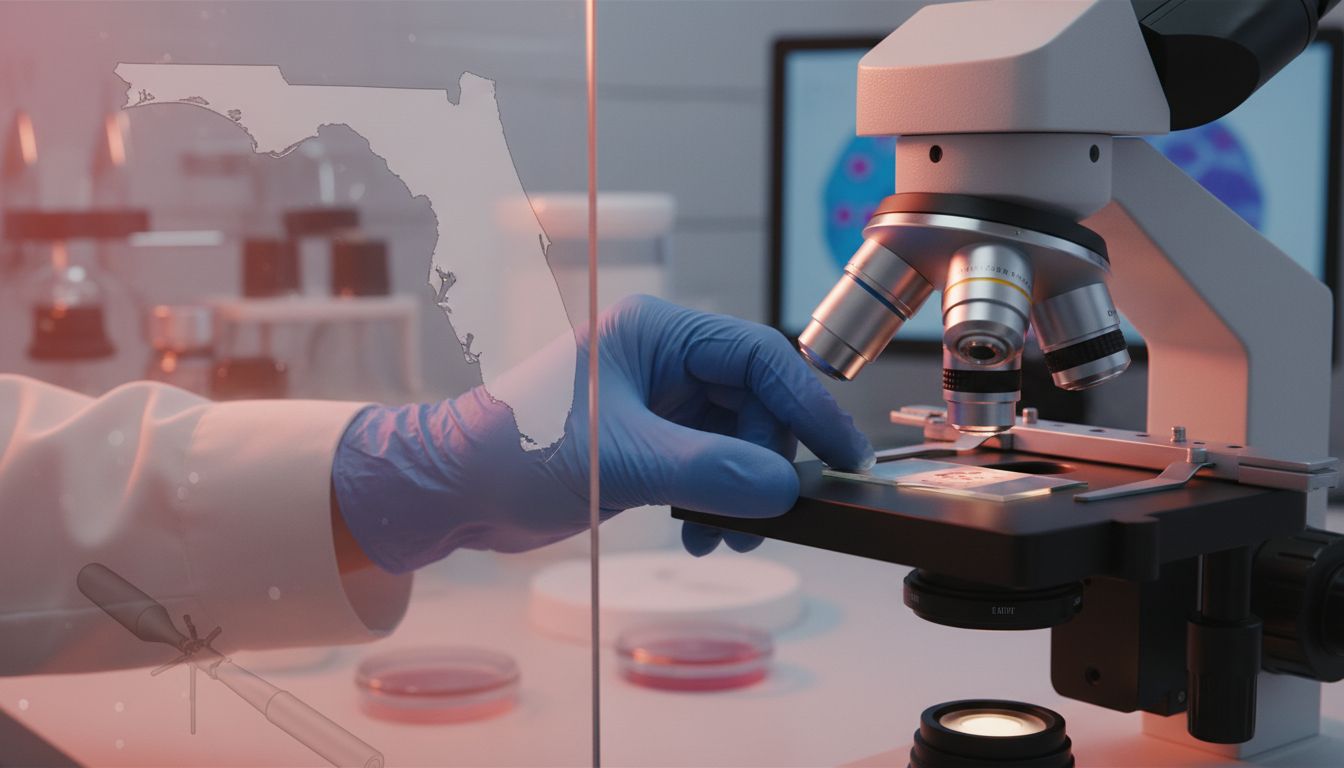
A biopsy should answer the hardest question fast. When that answer is wrong, incomplete, or late, cancer gets extra time.
For patients and families, Florida pathology errors can stall surgery, chemotherapy, radiation, or referral to the right specialist. As of April 2026, there does not appear to be a public Florida medical board report that breaks out pathology misdiagnosis rates by specialty. That makes these cases harder to spot early, not less serious.
Understanding where the process breaks down can help you see when a delay may cross the line from bad luck to malpractice.
How biopsy and pathology mistakes slow cancer care
Think of cancer care like a relay race. The biopsy is the baton. If the specimen is mishandled, mislabeled, or misread, every runner behind it slows down.
Some errors happen before the pathologist even sees the slide. A doctor may sample the wrong area, collect too little tissue, or fail to repeat a non-diagnostic biopsy. Other mistakes happen in the lab. A specimen may be mixed up, poorly preserved, or matched with the wrong patient data. Then there are interpretation problems, such as missing malignant cells, understating how aggressive the tumor looks, or failing to report urgent findings quickly.
Second reviews of outside pathology cases often uncover meaningful differences. That is one reason many cancer centers re-check slides before major treatment begins.
Some conditions also look less serious on the first tissue sample than they do after surgery. That pattern appears in this NIH review of pathologic upgrade rates, which helps explain why a “reassuring” biopsy result is not always the end of the story.
These problems often fall into a few patterns:
| Error type | What it can look like | Possible effect on treatment |
|---|---|---|
| False negative | Cancer cells missed on the slide | No treatment starts when it should |
| Specimen mix-up | Another patient’s tissue or label is used | Wrong patient may be treated, while the real patient waits |
| Incomplete result | Report lacks grade, margins, or follow-up guidance | Oncologist cannot plan the next step |
| Reporting delay | Critical result sits in the chart too long | Surgery, chemo, or referral gets pushed back |
In short, the mistake may start under a microscope, but the harm shows up at the bedside.
Why a delayed biopsy result can change the cancer fight
Cancer does not wait for paperwork. A delay of days or weeks can mean growth, spread, or fewer choices.
That doesn’t mean every short delay changes the outcome. Some tumors grow slowly. Others do not. Still, when a pathology error postpones diagnosis or staging, doctors may lose the chance to use a smaller surgery, a shorter course of treatment, or a simpler plan.
A pathology report is not a paperwork detail. In cancer care, it often decides what happens next.
A late or wrong biopsy result can also force doctors to treat in the dark. A surgeon may postpone an operation because the report is unclear. An oncologist may hold chemotherapy until the cancer type is confirmed. In other cases, a patient gets the wrong treatment first, then needs a harsher plan after the truth comes out.
Timing problems do not stop with patient care. An NIH analysis of cancer reporting delay shows how lag in cancer reporting can distort the larger picture after diagnosis. For a patient, that same lag can mean more pain, more stress, and a steeper medical climb.
If a biopsy mistake pushed diagnosis to a later stage, this proof checklist for Florida delayed cancer diagnosis shows the types of records that often matter.
When Florida pathology errors may support a malpractice claim
Not every wrong biopsy result is malpractice. Medicine involves judgment, and some samples are hard to read. A legal claim usually turns on a different question: did a provider act below the accepted standard of care, and did that lapse cause harm?
In pathology cases, that may mean a pathologist missed cancer that a careful specialist should have seen. It may also mean the lab mixed up slides, the hospital failed to send a critical result, or the treating doctor ignored a report that called for urgent follow-up. Sometimes more than one provider shares blame.
Most Florida medical negligence claims still rise or fall on four points: duty, breach, causation, and damages. The hard part is often causation. You must show that the delay made the cancer worse, reduced treatment options, or caused extra loss. That is why timelines, pathology slides, addendum reports, second opinions, and oncology records matter so much.
For a plain-English overview of how these claims work, see this Florida medical malpractice law guide. Timing matters too. In many cases, Florida applies a two-year clock from when the patient discovered, or should have discovered, the injury. There is also an outside deadline that can block claims filed too late.
What to do if you suspect a biopsy or pathology error
Move quickly, but stay calm. Good records often decide these cases.
Start by getting the full pathology report, not only the summary in your portal. Ask for addenda, specimen logs, and the date each result was finalized and sent. If cancer is now suspected, request the slides and tissue blocks for a second review as soon as possible.
Next, build a clean timeline. Write down when the biopsy happened, when you were told the result, when symptoms continued, and when cancer was finally confirmed. Save portal messages, referral notes, and appointment summaries. Those details can show where time was lost.
Common red flags include a report that later changes from benign to malignant, a biopsy labeled “insufficient” with no prompt repeat test, or a long gap between the lab’s final result and the day you learned it. When the story suddenly shifts from “wait and see” to “you have cancer,” that gap deserves a closer look.
Then focus on your care. Follow up with the right specialist and ask direct questions. Was the first sample enough? Did the report call for more testing? Did someone fail to act on an abnormal result?
Finally, speak with a lawyer who handles medical negligence. Florida deadlines can close faster than people expect, and this guide to the Florida med mal statute of limitations explains why.
A biopsy is supposed to bring answers. When Florida pathology errors steal time instead, the damage can reach far beyond one bad report.
If you suspect a pathology or biopsy mistake delayed cancer treatment, get the slides, the records, and the timeline reviewed before the paper trail fades.