
Florida Cauda Equina Claims After Misdiagnosis: What Proof Matters
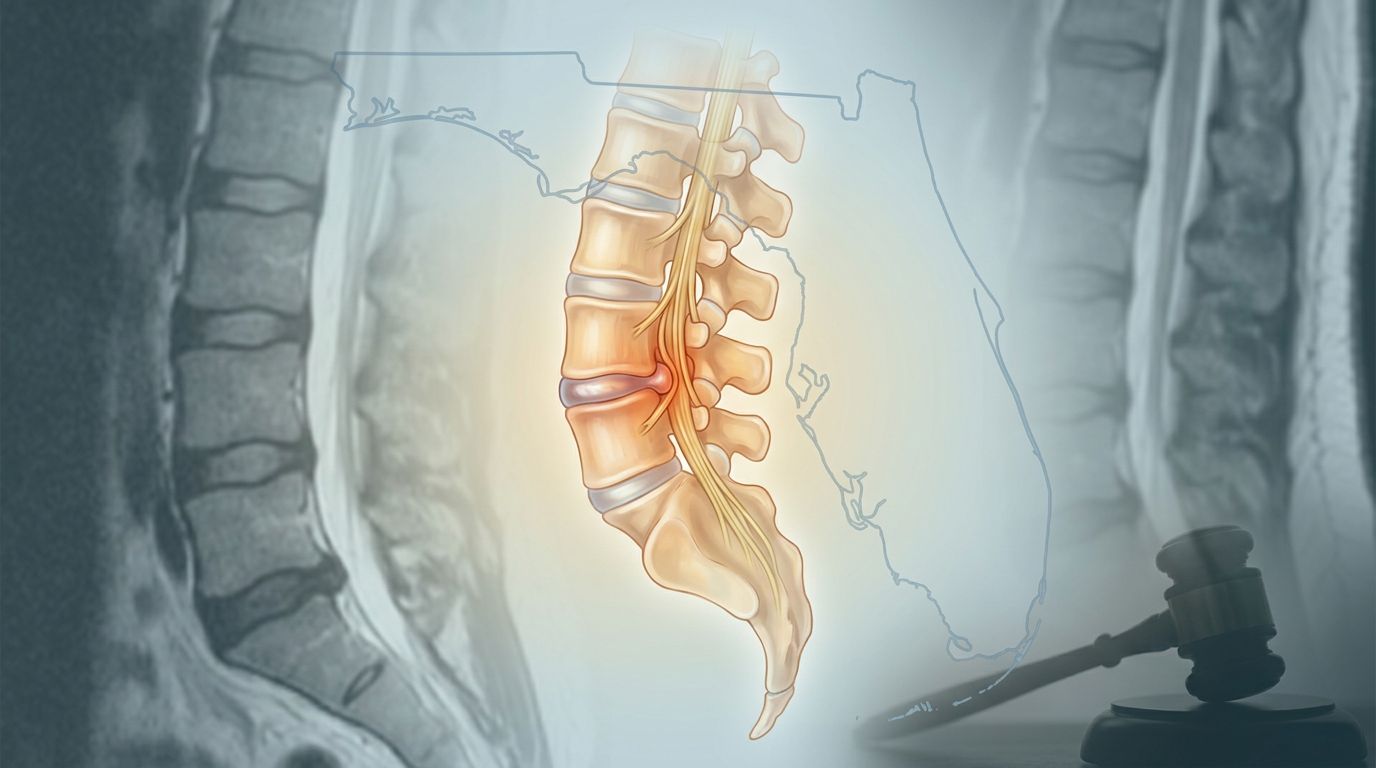
Back pain sends people home every day. Sometimes that call is fair. Sometimes it misses cauda equina syndrome, a spinal emergency that can leave a patient with permanent bladder, bowel, sexual, or leg problems.
If a doctor brushed off warning signs, a malpractice claim may follow. Still, anger won’t prove it. In Florida cauda equina claims, the strongest cases usually rise or fall on records, timing, and expert-backed proof.
Why cauda equina syndrome misdiagnosis can become malpractice
Cauda equina syndrome happens when nerves at the base of the spine get compressed. Because those nerves control bladder, bowel, sensation, and leg strength, delay can change a life in a matter of hours.
Many patients first hear simpler labels. They may be told they have sciatica, a disc flare, kidney pain, or routine low back strain. That doesn’t make a doctor negligent by itself. A claim turns on whether the provider missed red flags that called for urgent action, often an MRI, a spine consult, or transfer to a hospital that could treat the problem fast.
The miss can happen at several points. An ER doctor may fail to order imaging. An urgent care provider may send the patient home. A nurse may chart bladder trouble or numbness, but no one may connect the dots. Sometimes the issue starts after spine surgery, when new weakness or loss of sensation doesn’t trigger a fast response.
Common warning signs include new urinary retention, incontinence, saddle numbness, loss of bowel control, weakness in both legs, or rapidly worsening numbness. CES is rare, but rarity isn’t a defense. The real legal question is simple: would a reasonably careful provider have treated those signs as an emergency?
In these cases, the clock matters twice, once for the patient’s nerves and once for the legal claim.
Some cases involve a wrong diagnosis from the start. Others involve the right diagnosis that came too late to prevent lasting damage. For a broader look at Florida misdiagnosis vs delayed diagnosis malpractice, it helps to see how courts separate a tough medical outcome from a preventable miss.
The patient proof that drives Florida cauda equina claims
In most CES cases, memory fades but the chart doesn’t. Triage notes, portal messages, MRI orders, bladder scans, consult times, and nursing notes can show whether the warning signs were already there before the injury became permanent.
This is the kind of proof lawyers and medical experts study first.
| Record | What it may show |
|---|---|
| ER or urgent care triage note | The first report of numbness, bladder trouble, or trouble walking |
| Nursing notes and nerve checks | Worsening weakness, saddle symptoms, or repeat complaints |
| Imaging orders and timestamps | Whether an MRI was ordered promptly, delayed, or never ordered |
| Consult and transfer records | How long it took to reach a spine surgeon or move the patient |
| Follow-up and rehab records | Lasting bladder, bowel, sexual, or mobility loss after the delay |
The takeaway is straightforward: time-stamped records often tell the liability story better than later recollections.
Hospitals often argue that symptoms were vague, or that bladder problems started later. A triage note that says “can’t feel groin” or “unable to urinate” can change the case fast. So can a record showing the patient came back worse after being sent home the first time.
Still, records alone aren’t enough. A Florida case also needs causation. In plain English, a qualified expert usually has to say that earlier recognition and treatment likely would have led to a better outcome. If surgery would have happened hours sooner, and those hours probably mattered, the claim gets stronger. If the same harm would have happened anyway, the case gets harder.
Patients often think the MRI result is the whole case. It isn’t. The harder question is what the medical team knew before the scan, and what happened after the scan confirmed CES. Damages also matter. In these cases, they may include catheter use, bowel dysfunction, sexual problems, foot drop, chronic pain, rehab costs, lost income, and long-term care needs. A broader Florida medical malpractice law guide can help explain why a bad result alone doesn’t make a strong claim.
Deadlines and early steps that can protect the case
Florida malpractice law surprises many families because the deadlines are strict. In many cases, the filing window is two years from when you knew, or should have known, that malpractice likely caused harm. There is also a four-year outside limit in many claims, with narrow exceptions. On top of that, Florida requires a pre-suit process before a lawsuit is filed.
That matters even more in CES cases because the facts often turn on hours, not months. Think of it like skid marks after a crash. If too much time passes, the marks fade, staff move on, and key details get harder to pin down.
If CES was missed or diagnosed too late, early steps can help:
- Ask for the full hospital and clinic file, not only the discharge summary.
- Write a timeline of symptoms, calls, visits, and what each provider said.
- Save portal messages, after-visit summaries, imaging reports, and pharmacy records.
- Keep follow-up records that show new limits at work, home, and in daily life.
Another mistake is waiting until treatment ends before getting the case reviewed. That delay can shrink the time available for expert review and pre-suit work. It can also make it harder to track down the records that matter most. For more on the timing rules, this guide to deadlines for malpractice claims in FL gives a useful starting point.
Also, don’t accept the first explanation too quickly. Many patients were told their pain was routine until bladder changes or leg weakness made the picture impossible to ignore. By then, the paper trail often matters more than the first conversation in the exam room.
Back pain is common. Permanent nerve damage from a missed spinal emergency shouldn’t be.
The strongest Florida cauda equina claims usually show one thing above all else: the warning signs were in the record before the worst harm set in. If that proof exists, the chart may say more than the hospital’s first story ever did.