
VA Flat Feet Ratings in 2026: What Gets 10%, 30%, or 50%?
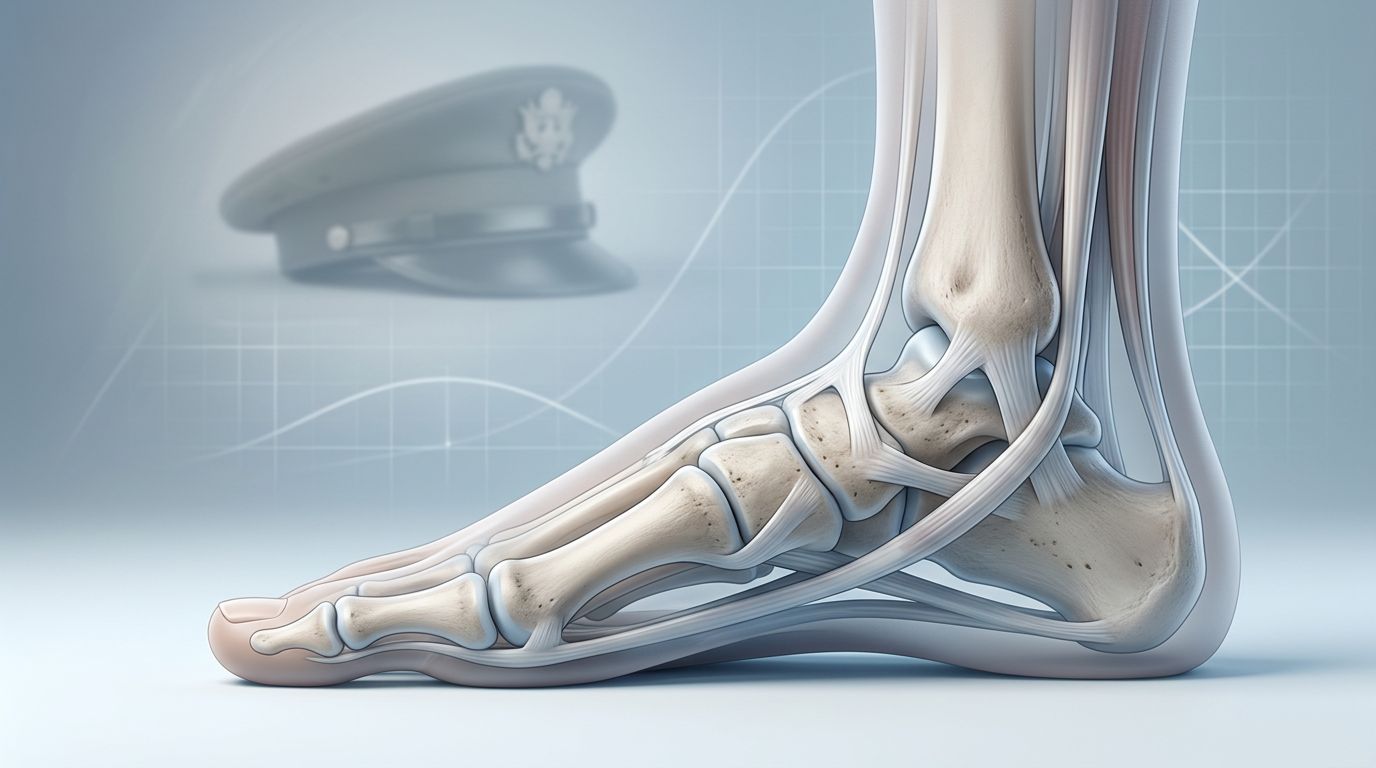
Flat feet can hurt with every step, yet VA decisions often treat the condition like a minor foot problem. That gap matters, because va flat feet ratings rise or fall on a few exact findings.
As of April 2026, the rating criteria for acquired flatfoot, pes planus, have not changed. The real issue is proof. If your records only say “foot pain,” you may get stuck at 10% even when the facts support more.
How the VA rates pes planus under Diagnostic Code 5276
The VA rates acquired flatfoot under Diagnostic Code 5276. The schedule starts at 0% for mild cases that improve with arch supports. It tops out at 50% for the most serious bilateral cases.
There is also a 20% level for severe symptoms in one foot. So whether one foot or both feet are involved matters.
This quick chart shows the levels that cause the most confusion:
| Rating | What the VA usually needs | One foot or both |
|---|---|---|
| 10% | Pain on use and manipulation, inward bowing of the Achilles tendon, weight-bearing line over or medial to the great toe | One foot or both |
| 30% | Severe bilateral flat feet with marked deformity, pain accentuated on use, swelling on use, and characteristic callosities, or pronounced unilateral flatfoot | Both feet for severe, one foot for pronounced |
| 50% | Pronounced bilateral flat feet with marked pronation, extreme plantar tenderness, marked inward displacement and severe Achilles spasm on manipulation, and no improvement from orthopedic shoes or appliances | Both feet only |
The takeaway is simple. Pain alone doesn’t automatically mean 30% or 50%. The VA looks for severity, objective findings, and whether one foot or both feet are affected.
A 30% rating trips up many veterans. It can mean severe symptoms in both feet, or pronounced symptoms in one foot. By contrast, 50% is reserved for pronounced symptoms in both feet.
The jump to 50% usually turns on two facts: the symptoms are pronounced in both feet, and orthotics don’t help.
That last point matters more than many people realize. If inserts, braces, or special shoes relieve the symptoms, the VA may view the condition as less severe. If pes planus is only one part of your case, the VA combined rating table for flat feet veterans can help. It shows why a foot rating doesn’t simply add to your other percentages.
What supports a 10%, 30%, or 50% flat feet rating
The strongest claims match the evidence to the rating language. Think of the rating schedule like a lock. Your records need the right teeth to turn it.
Evidence that often supports 10%
A 10% rating usually fits a moderate picture. The file often shows pain with walking, standing, or pressing on the foot. It may also show inward bowing of the Achilles tendon or a shifted weight-bearing line.
Medical records help most when they describe what the examiner saw, not only what you felt. A podiatry note, C&P exam, or imaging report can support the diagnosis. The VA foot conditions DBQ shows the findings examiners are asked to record.
Evidence that often supports 30%
For a 30% rating based on severe bilateral pes planus, the record should show more than steady pain. The VA is looking for marked deformity, pain on use that is accentuated, swelling after use, and characteristic callosities.
In plain English, the feet usually look and act worse over time. Shoes may wear unevenly. Standing may cause swelling. Thick calluses often form because pressure lands in the wrong spots. Photos, treatment notes, and a clear exam can all help. The best records tie those facts to daily limits, like reduced walking, trouble at work, or the need to sit often.
Evidence that often supports 50%
A 50% rating is the high mark for bilateral flat feet. To get there, the symptoms must look pronounced, not simply severe.
That often means marked pronation and extreme tenderness on the bottoms of both feet. The record should also show inward displacement, severe Achilles spasm, and little or no relief from orthotics.
This is where many files fall short. Veterans may have strong pain complaints, yet the record never says whether orthotics failed. If the notes do not address that point, the VA may stop at 30%. If your condition has worsened since the last decision, evidence for pes planus rating increase can help. It can turn a stale file into a stronger one.
Why flat feet claims get underrated
Many low ratings come from thin exam reports. A C&P examiner may record “pain on use” and move on. Meanwhile, swelling, callosities, marked pronation, and failed orthotics never make it into the report.
For Florida veterans, private podiatry records often fill the gaps left by a short VA exam. That omission matters because the VA rates what is documented. It doesn’t fill in blanks from common sense.
Another problem is overlap with other foot conditions. Plantar fasciitis, bunions, ankle problems, and altered gait can muddy the record. Sometimes pes planus also leads to knee, hip, or back trouble. When that happens, proving secondary conditions linked to flat feet may raise the full value of the claim, even if the foot rating itself stays the same.
Service connection can also be a fight. Some veterans had flat feet before service, then military training made them worse. In those cases, the issue is often aggravation, not direct onset. Others develop pes planus after years of strain, marches, or injury. Either way, the file must connect the condition to service before the rating level even matters.
A recent Board decision on pes planus shows how closely the VA reviews deformity, accentuated pain, and callosities. Those details often decide whether a higher rating is warranted.
The bottom line on VA flat feet ratings
The VA doesn’t rate flat feet by sympathy. It rates them by documented severity, the number of feet affected, and whether treatment helps.
If your records show only pain, 10% is common. If they show severe bilateral findings, 30% may fit. If both feet have pronounced symptoms and orthotics don’t help, 50% may be on the table.
Details win flat feet cases. Every painful step can matter, but only if the record spells it out.