
VA Knee Ratings in 2026: Flexion, Extension, and Instability Evidence
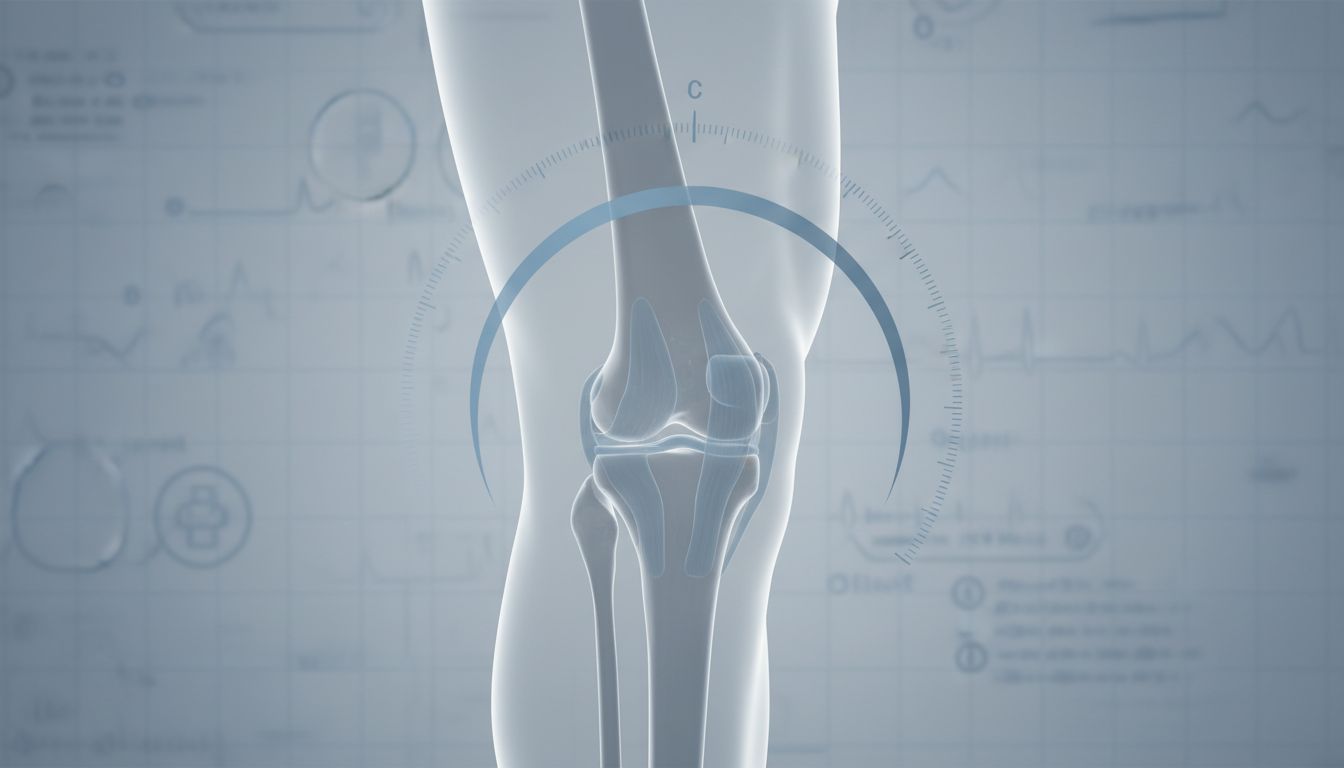
A knee claim can turn on a few degrees of motion. That small gap can mean the difference between a noncompensable rating and monthly compensation.
As of April 2026, the VA still uses the same basic knee rules. So your file needs clean proof of flexion, extension, or instability. Pain helps, but measured loss and consistent records matter more.
How the VA rates knee motion in 2026
The VA looks at what your knee can do on its worst days, not just on a good one. Normal knee flexion is about 140 degrees, and normal extension is 0 degrees. The rating schedule then compares your range of motion to those benchmarks.
A recent VA knee flexion and extension decision shows the same cutoffs the VA uses in real cases. That matters because the percentages are tied to the numbers, not the diagnosis label.
| Knee issue | Normal benchmark | Main rating thresholds |
|---|---|---|
| Flexion, DC 5260 | About 140 degrees of bend | 0% at 60 degrees, 10% at 45, 20% at 30, 30% at 15 |
| Extension, DC 5261 | 0 degrees when straight | 0% at 5 degrees, 10% at 10, 20% at 15, 30% at 20, 40% at 30, 50% at 45 |
The table tells the whole story. For VA purposes, pain alone does not set the percentage. The measurement does.
A knee can also earn separate ratings for flexion and extension if both limits are supported by evidence. That is where an accurate exam matters. If the examiner only writes “painful motion” and skips the degrees, the claim loses precision.
A focused VA DBQ for knee range of motion can help when your treatment notes are thin. It gives the VA the exact numbers it wants to see.
Why instability is a separate path
A knee that gives way is different from a knee that won’t bend well. The VA treats instability as a separate issue under Diagnostic Code 5257.
That means you can sometimes have motion loss and instability at the same time. One does not cancel the other. A recent VA instability decision from 2025 shows how the Board granted a separate rating for severe instability along with ratings for motion loss.
Instability claims are stronger when the records match your daily experience. Look for evidence such as:
- brace prescriptions or cane use,
- falls, near-falls, or buckling,
- physical therapy notes about laxity,
- statements that the knee gives out on stairs or uneven ground.
The VA often uses words like slight, moderate, or severe. Those labels sound broad, but the evidence narrows them down. If your knee locks, slips, or makes you change the way you walk, say so in plain terms.
A strong knee claim is a paper trail, not a guess. When the exam, treatment notes, and lay statements match, the rating is easier to defend.
Evidence that carries real weight
The best knee evidence is boring in the right way. It is clear, dated, and consistent.
Start with the C&P exam. The examiner should measure motion with a goniometer and note where pain begins. The report should also address repeated use and flare-ups. If the exam ignores how your knee behaves after standing, walking, or climbing stairs, it may miss your real limits.
Next, look at your treatment history. Orthopedic notes, physical therapy records, imaging, injections, and brace orders all help. So do simple details that show how the knee affects daily life. Missed work, trouble driving, swelling after short walks, and falls all matter.
A claim for increase needs current proof. Old records can support the history, but they won’t carry a worsening case by themselves. That is why evidence for increasing knee disability ratings is so important when the condition has changed.
Good evidence usually includes:
- recent treatment notes,
- range-of-motion measurements,
- flare-up descriptions,
- statements about instability or falls,
- proof of how the knee affects work and home life.
Private records can help if they are detailed and consistent. They should match the rest of the file. If a private exam says the knee barely bends, but your treatment notes show normal motion, the VA may question the whole record. That kind of mismatch causes delays.
If your knee condition also affects other body parts, the claim may expand beyond the knee itself. A service-connected gait change can lead to back or hip problems. In those cases, the proof rules shift. The VA secondary service connection guide for knees explains that connection issue in plain terms.
When both knees affect the final math
If both knees are service-connected, the final number can change again. The VA’s bilateral factor may increase the combined rating before the rest of the math is done. That part is easy to miss, but it can change the outcome.
For a simple explanation, see VA combined rating math for both knees. When both knees are involved, the final calculation matters almost as much as the medical proof.
This is one reason veterans should read the rating letter closely. The VA may list motion loss, instability, and bilateral math in different parts of the decision. If one part looks off, the combined result can be lower than it should be.
Conclusion
The knee schedule in 2026 still comes down to the same three questions, how far can the joint bend, how far can it straighten, and does it give way? Those measurements, plus the quality of the evidence, drive the rating.
If your records tell a clear story, the VA has less room to miss the point. For Florida veterans, that usually means one thing, keep the proof specific, current, and consistent.