
VA Cervical Spine Ratings in 2026: ROM, Flare-Ups, and Radiculopathy
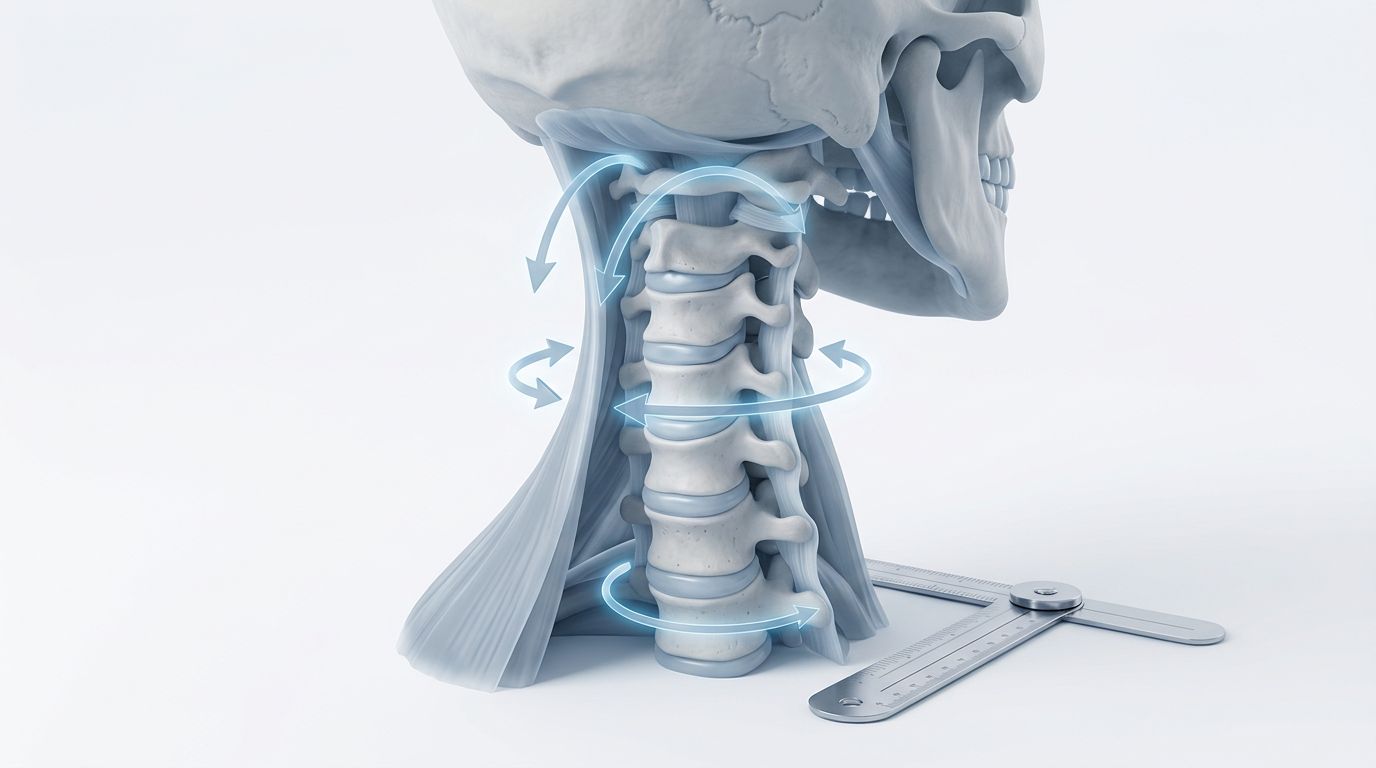
A neck claim can look simple on paper and still be rated wrong. With VA cervical spine ratings, the VA cares about exact motion limits, bad flare-up days, and nerve symptoms in the arms.
If your exam day felt better than your worst days, the decision may miss part of the picture. The real issue is knowing what the VA counts, and what it often overlooks.
How the VA measures cervical motion in 2026
The VA still rates most neck conditions under the spine formula in 38 CFR § 4.71a. The diagnosis matters less than the loss of motion, so a strain, disc issue, or arthritis can land at different levels if the measurements differ. For a plain-English look at monthly pay and rating levels, see how VA disability ratings work.
During the exam, the clinician should use a goniometer and record forward flexion, extension, side bends, and rotation. Normal total cervical motion is 340 degrees. Forward flexion often carries the most weight, because it shows how far you can bend the neck forward.
Here is the basic motion chart:
| Cervical finding | Typical rating result | What it means |
|---|---|---|
| Forward flexion 45° or more, combined ROM 340° or more | 0% | Motion is close to normal |
| Forward flexion more than 30° to 40°, combined ROM more than 170° to 335° | 10% | Mild loss of motion |
| Forward flexion more than 15° to 30°, combined ROM 170° or less | 20% | Clear loss of motion |
| Forward flexion 15° or less, or favorable ankylosis | 30% | Severe limitation |
| Unfavorable ankylosis of the cervical spine | 40% | The neck is fixed in a poor position |
A decision should also explain which movements were tested and where pain began. If it skips those details, the record may be thin.
Some neck conditions are also rated under intervertebral disc syndrome. In those cases, doctor-ordered bed rest can matter. Self-imposed rest usually does not.
Why flare-ups can move a neck rating higher
The key issue is simple, the examiner has to estimate what your neck can do on bad days. If flare-ups cut your motion short, the VA should count that lost motion even when the exam day looks better.
A good office visit can hide a bad disability picture if flare-ups are left out.
Pain, weakness, stiffness, and fatigue all matter when they reduce real function. That means your record should show how often the flare-ups happen, how long they last, and what they stop you from doing. A brief morning stiff neck is one thing. A flare-up that locks your neck for a day or two is something else.
Keep track of the tasks that get harder. For example, note if you cannot look over your shoulder while driving, sleep through the night, lift a pan from a cabinet, or turn your head fast enough at work. Those details help show functional loss, which is part of the rating picture. A VA DBQ forms guide can also help when a private exam needs to match what the VA is looking for.
Repeated motion matters too. If the second or third movement is worse, that can support a higher rating. The VA should not rate your neck only by the best moment of the day.
Cervical radiculopathy is rated separately
When neck problems send pain into the shoulder, arm, hand, or fingers, the VA treats that as radiculopathy. It is usually rated on its own under the peripheral nerve rules, so arm symptoms can raise compensation even when the neck rating stays the same. A dedicated VA radiculopathy ratings guide is useful if you want the severity levels in one place.
Common signs include:
- numbness or tingling in one arm
- weak grip or dropped objects
- shooting pain below the elbow
- reflex or sensation changes on exam
Mild cases may start with numbness after long sitting or neck movement. Moderate cases can involve regular weakness and trouble with fine tasks. Severe cases can include major loss of strength, muscle wasting, or poor control of the hand.
Each arm is rated separately, and the dominant arm can matter. A right-handed veteran with right-arm radiculopathy may see a different result than a left-handed veteran with the same symptoms. That is where VA combined rating math becomes important, because two ratings do not add up in a simple straight line. A recent VA Board neck decision shows the same pattern, with spine loss and arm nerve damage evaluated as separate issues when the evidence supports both.
The claim gets stronger when the record shows how the nerve issue affects function, not just pain. Grip tests, sensory findings, EMG results, and clear notes about weakness can make a real difference.
What a stronger cervical spine claim usually shows
A strong neck file usually does three things well. First, it gives exact motion measurements. Second, it describes flare-ups in a way that matches daily life. Third, it shows whether arm symptoms belong to the neck condition.
That mix matters because VA cervical spine ratings turn on function, not labels. A veteran with less pain but worse motion can sometimes receive a higher rating than someone with a more serious sounding diagnosis.
Conclusion
VA cervical spine ratings in 2026 turn on three things, measured motion, flare-up limits, and nerve symptoms. If your record only shows a diagnosis, the claim may miss the full picture.
The best files match the exam rules. They show how far your neck moves, what happens on bad days, and whether the pain reaches your arms. In neck claims, the details carry the weight.