
Cape Coral crash: how to get the full EMS run report (Fire Rescue vs private ambulance), request steps, fees, and turnaround times
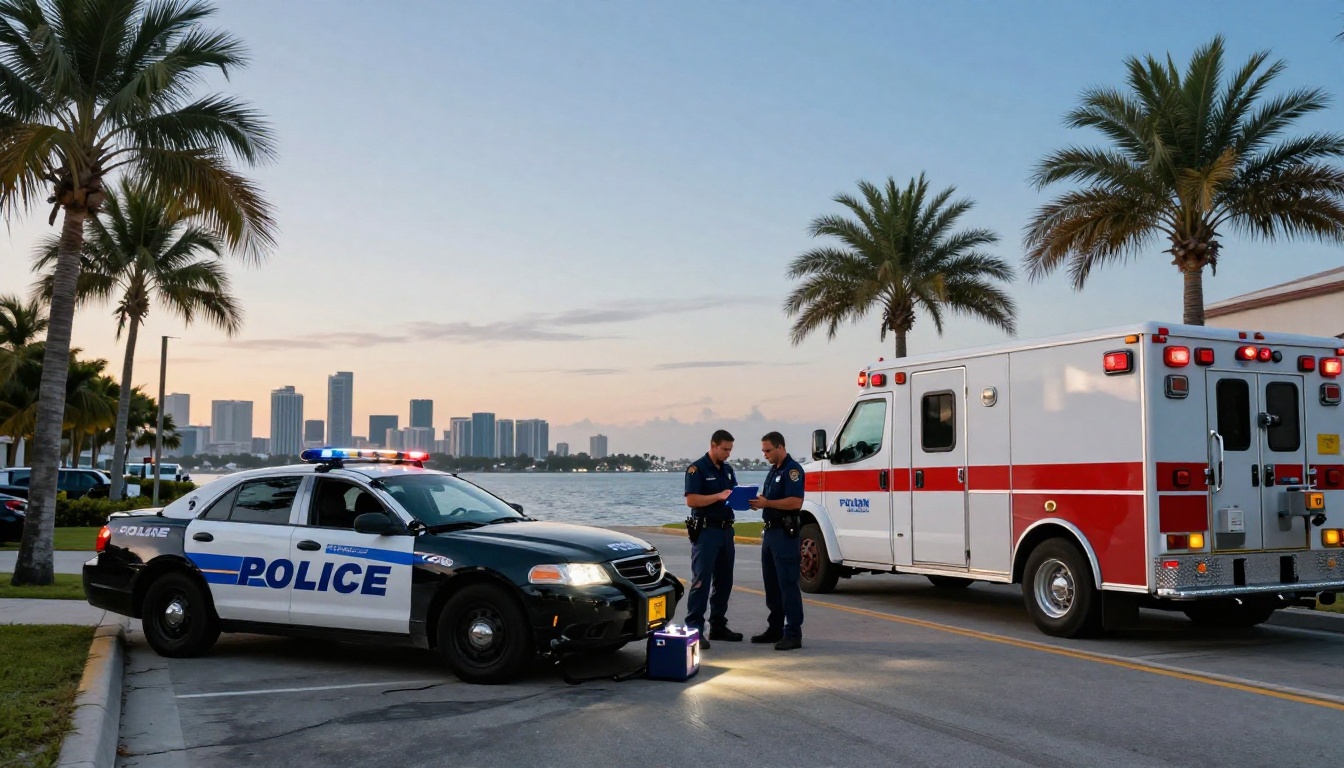
In Cape Coral motor vehicle crashes, the first medical notes often matter more than people expect. Not because they’re dramatic, but because they’re early. An EMS run report from emergency medical services can capture what you said you felt at the scene, what the paramedics saw, your vitals, and why you were transported (or why you refused). That “first snapshot” can shape an insurance claim months later.
If you’re trying to get a complete Cape Coral EMS report, the hard part usually isn’t proving you need it. It’s figuring out who has it, what to ask for, and how to avoid the delays that happen when the request is missing one small detail.
What the EMS run report includes (and why insurers take it seriously)
An EMS run report is the first responders’ patient care record, containing sensitive medical information. You might hear it called a run sheet, PCR (patient care report), or prehospital care report. Whatever the label, it’s the document created by the first responders who evaluated you before you ever reached the ER.
A full report commonly includes:
- The dispatch and arrival times, plus where you were picked up.
- Your complaints (neck pain, dizziness, nausea, numbness), in your words.
- Objective findings (blood pressure, pulse, oxygen level, mental status).
- Treatment given (cervical collar, IV, meds, oxygen).
- Level of care provided (Basic Life Support or Advanced Life Support).
- Mechanism details (seat belt use, airbag deployment, vehicle damage notes).
- Transport decision, including refusals and signatures if you declined care.
These reports follow documentation standards set by the National Highway Traffic Safety Administration for roadway safety.
Why does it matter? Because it’s often the first neutral record tying your symptoms to the crash. Think of it like the first page in a long book. If page one is missing, insurance adjusters often argue the story “started later,” and that can become a fight over whether injuries were caused by the collision or something else.
If you’re still gathering time-sensitive records, it helps to organize everything early. This Cape Coral car crash evidence checklist lays out the core documents people often miss in the first week, including EMS records.
Cape Coral Fire Department vs private ambulance in Cape Coral: who holds the report and what rules control access
In Cape Coral, the report is held by the agency that treated you:
- Cape Coral Fire Department (public EMS) if the response was handled by the city’s fire department.
- A private ambulance company if a private provider transported you or handled the call.
That difference changes the request process.
Public Cape Coral Fire Department EMS reports
When the Cape Coral Fire Department responds, the city is usually the records custodian. Florida has strong public records laws, but EMS reports still contain medical information. Federal guidelines, including the FAST Act, prioritize emergency medical services documentation for roadway safety initiatives, yet in practice, patients and legal representatives have the cleanest path to getting the full, unredacted record. Third parties often receive a redacted version, or they may be told the record can’t be released without authorization or legal process.
Private ambulance EMS reports
Private ambulance services are healthcare providers. That means HIPAA and medical privacy rules often control the release of patient health records. The shortcut is simple: the patient signs an authorization, or a legal representative provides proof of authority. Without that, many companies won’t release the full report.
If you want a helpful “what good looks like” example of how Florida agencies describe EMS record requests, see Indian River County’s guidance on Fire and EMS record requests. The details differ by county, but the same theme repeats everywhere: the request needs strong identifiers, and medical privacy affects what gets released.
Quick comparison for crash victims
| Issue | Cape Coral Fire Department (public) | Private ambulance (medical provider) |
|---|---|---|
| Who to contact | Department or city records custodian | Ambulance company records or billing office |
| What to ask for | “EMS run report” or “patient care report (PCR)” | “Prehospital care report,” “PCR,” or “run sheet” |
| Best way to get full version | Patient request or signed authorization | Patient request or signed authorization |
| Common delay | Redaction review, unclear incident details | Missing authorization, identity verification |
How to request a Cape Coral EMS report: request steps to get the full run sheet
You’ll get faster results if you treat the request like a delivery address. If one digit is wrong, it doesn’t arrive.
Step 1: Confirm who responded and transported you
Start with any of these:
- The police crash report (often lists the responding EMS provider).
- ER intake paperwork (sometimes notes the transporting agency).
- The bill you received (it may show the ambulance provider name).
- A dispatch or call-for-service log, if you requested it.
Step 2: Gather the identifiers the records staff actually uses
Have these ready before you call or email:
- Patient full name (at time of service)
- Date of birth
- Date of incident, approximate time, and location
- Destination hospital (if transported)
- Any incident number, case number, or billing account number
Step 3: Request the report from the correct custodian
If Cape Coral Fire Rescue handled the EMS care:
Ask for the EMS run report or patient care report (PCR) for the Advanced Life Support or Basic Life Support provided on the crash date and location. Request it in electronic format if available. If you need it for a claim, ask whether they can provide a certified copy and what that requires.
For general context on how Florida fire districts accept incident report requests, Fort Myers Beach Fire Control District’s page is a good reference point for what request forms commonly ask for: public records requests.
If a private ambulance transported you:
Call the ambulance company and ask for “medical records” or “patient care report.” Many companies route record requests through billing first. Expect to verify identity and sign a release.
Step 4: Be specific about what you want (to avoid getting a summary)
When people say “EMS report,” they sometimes receive only a billing face sheet or a short transport summary. Use clear wording:
- “Please provide the full EMS patient care report (PCR), including narrative (where an emergency medical technician or paramedic might note factors like distracted driving or impaired driving), vitals, assessments, and treatments.”
- “If there are attachments (refusal form, signatures, monitor strips, or first responders’ notes on items like the Vial of L.I.F.E. from the vehicle accident scene), please include them.”
Step 5: If you’re not the patient, get authorization in writing
If you’re a spouse, parent, or adult child, don’t assume that’s enough. Medical records staff often need one of these:
- A HIPAA authorization signed by the patient
- Proof of legal guardianship
- Power of attorney that covers healthcare records
- Estate or personal representative documents (if the patient died)
When injuries are serious, records requests can become part of a bigger documentation puzzle that includes PIP and billing disputes. This guide on ambulance bills after a Cape Coral crash explains why the run report and the billing codes often need to match for insurers to pay.
Fees, turnaround times, and how to avoid the slow lane
There’s no single “Cape Coral EMS report price,” because it depends on the provider and the request type (electronic copy, paper, certified copy, or extensive staff time). These reports are vital for insurance claims and help local authorities leverage crash data to support the Highway Safety Improvement Program, enabling improvements to road conditions.
Typical fees you might see
- Public Fire Rescue copies: Often low-cost for basic duplication, but fees can apply for copying and staff time if the request is labor-intensive.
- Private ambulance copies: Some providers charge an administrative fee for records, and certified copies can cost more.
Always ask for a written estimate before processing if cost is a concern.
Realistic turnaround times (February 2026 expectations)
Based on how Florida agencies and providers commonly operate, especially as reporting requirements for vehicle accidents evolve to capture more technological data in cases involving autonomous vehicles:
- Straightforward patient requests: often a few business days.
- Requests needing review or redaction: can take a week or longer.
- Private providers waiting on authorizations: the clock usually doesn’t start until they receive a valid release.
Three practical ways to speed it up
- Narrow the time window: “Between 3:10 pm and 4:00 pm” beats “sometime that afternoon.”
- Use the patient’s exact legal name and DOB: small mismatches cause big delays.
- Request the report and the itemized bill together: it helps spot billing errors and supports PIP processing. If you’re dealing with PIP paperwork, this resource on Florida PIP after a Cape Coral crash can help you avoid denials tied to missing records.
Conclusion
A Cape Coral EMS report is one of the few records created at the scene of motor vehicle crashes, before anyone has time to second-guess what happened, even in tragic cases of traffic fatalities. Getting the full run sheet comes down to two things: identifying whether Fire Rescue or a private ambulance has it, and making a precise request with the right identifiers and authorization.
If your crash claim is disputed, the EMS run report, containing sensitive medical information, can be a quiet piece of proof that keeps the timeline honest, especially when symptoms and treatment become an insurance argument later. Its value extends across accident types to support pedestrian safety and may document details such as ignition interlocks on the involved vehicle.