
Cape Coral Car Crash Claim: How to Get a Full Copy of the At-Fault Driver’s Insurance Policy
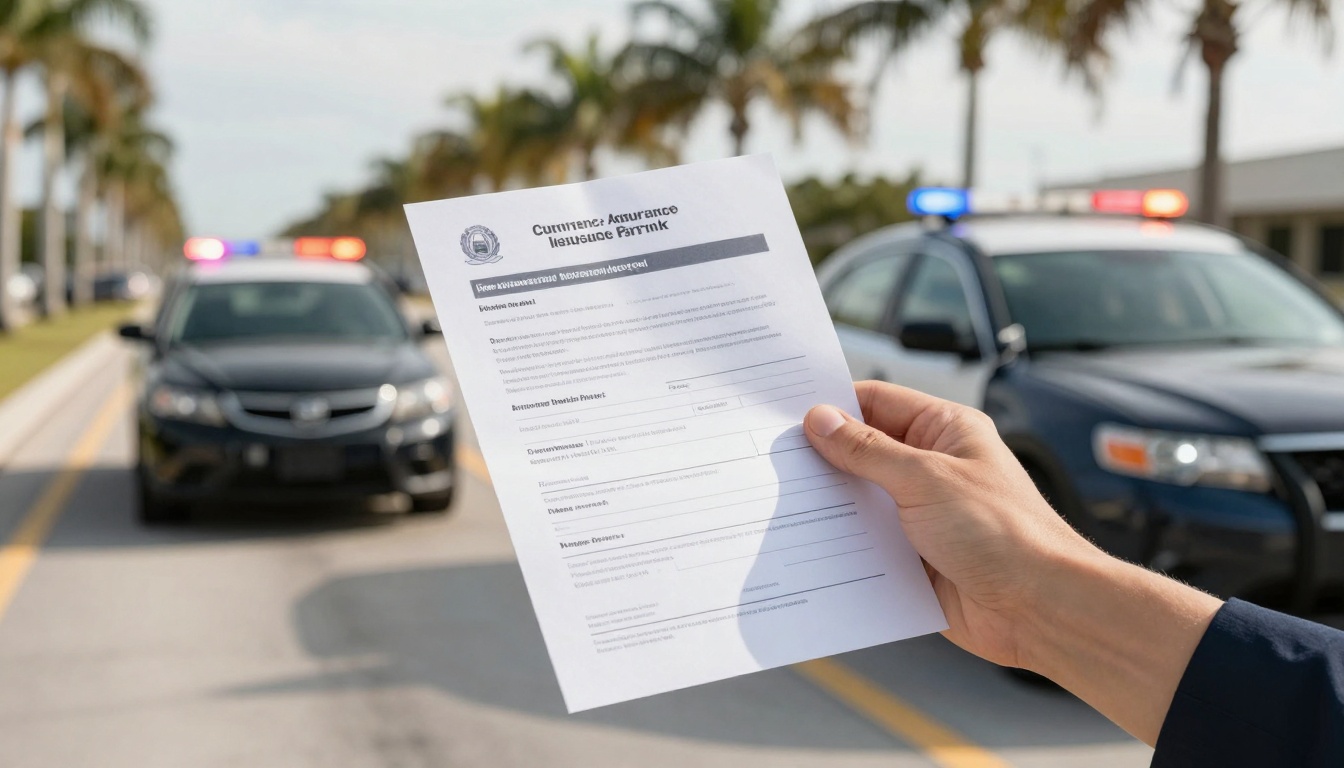
After a Cape Coral crash, the other driver’s insurer may sound helpful, then give you one neat number: “They have $100,000 in coverage.” That’s not the same as having the policy.
If you’re trying to settle an injury claim, you need the whole book, not the cover. While your Personal Injury Protection PIP covers initial medical costs, the at-fault driver’s insurance policy is needed for additional damages. A Florida insurance policy copy (declarations, endorsements, and exclusions) can reveal coverage gaps in bodily injury liability and property damage liability, hidden conditions, and defenses the carrier may raise later.
Remember to seek medical treatment within 14 days to preserve PIP eligibility when initiating your Cape Coral car crash claim. This guide explains what those documents are, why they matter, and how to request a complete copy the right way.
Why a Full Policy Copy Matters More Than a Quick “Bodily Injury Liability Limits” Answer
Insurance policies are written like a set of rules for when money gets paid. The declarations page is the “front label” (who’s insured, what cars, what limits, what dates). Endorsements are the “add-ons and edits” that change the base contract. Exclusions are the “we don’t cover this” list.
A fast phone call often gets you only the limits. That can be misleading.
What can change once you see declarations, endorsements, and exclusions
A few examples that come up in real claims:
- Named driver exclusion: The policy might list a household member who’s specifically excluded. If that excluded person was driving, the insurer may deny liability coverage.
- Permissive use disputes: The driver might not be a named insured. Coverage can turn on whether they had permission to use the car.
- Vehicle mismatch: The declarations page might show a different vehicle than the one that hit you, which raises questions about coverage.
- Business use exclusions: Some policies limit coverage when the vehicle is being used for certain work purposes.
- Coverage defenses: The insurer may claim late notice, misrepresentation, or another defense that challenges proving liability and negligence. Those arguments often tie back to policy language.
In Florida, your claim also sits inside a Florida no-fault insurance system at the start, which provides Personal Injury Protection (PIP) and can affect who pays what and when. If you need a refresher on how that works locally, read how Florida’s no-fault law impacts Cape Coral car accident claims.
The short version: if your injuries are serious and you’re pursuing the at-fault driver, getting a complete Florida insurance policy copy early helps you avoid settling in the dark.
What Florida law lets you request (and what to ask for)
Florida’s Financial Responsibility Law provides specific disclosure requirements for third-party claimants through statutes like Florida Statutes Section 324.242 and Section 627.4137. In many cases, it requires a liability insurer to provide key coverage information within a set time after a written request.
You can review the language in Florida Statutes section 627.4137 on insurance disclosure. The statute is often discussed as a way to confirm available policies, limits, and known coverage defenses, and it references providing a copy of the policy.
Don’t ask for “proof of insurance,” ask for the full policy packet
When you request documents, be precise. A “policy copy” should include more than one page.
Ask for:
- Insurance policy declarations page for the policy in effect on the crash date
- All endorsements (including an endorsement schedule, if one exists)
- All exclusions and limitations (often in the base form plus endorsements)
- Any renewal declarations that apply to the date of loss
- A statement of known coverage defenses or reservation-of-rights position, if they’re asserting one
- Umbrella or excess policies, if any, and how they apply
Before providing a recorded statement to the insurance adjuster, ideally review these policy documents first.
If the insurer sends a “coverage summary,” treat it like a brochure. It’s not a contract.
Where to send the request
If you already have the claim number and adjuster contact, send your written request directly to the liability carrier handling the at-fault driver’s claim. To formalize the inquiry, use Insurance Request Form HSMV 83392. If you don’t have that info yet, you may need to start with the crash exchange details, the police report, or a claim opening call.
If you’re still in the early stages of the process, filing a car accident claim in Cape Coral, FL can help you line up the basic paperwork before you press for policy documents.
Step-by-step: How to request declarations, endorsements, and exclusions in a Cape Coral car crash claim
You don’t need fancy language. You do need a clean, traceable request that’s hard to “misplace.”
Step 1: Gather the minimum details first
Before you write, collect:
- At-fault driver’s full name and driver’s license number (as shown on the exchange of information or official crash report)
- Date and location of crash (Cape Coral, plus cross streets if known)
- Claim number (if assigned)
- Adjuster name, email, mailing address, and fax (if available)
- Your name and contact info
- Your vehicle info and any passenger names (if relevant)
- Witness statements (if available)
The official crash report can be obtained from the Cape Coral Police Department, Lee County Sheriff’s Office, or the Florida Crash Portal.
Step 2: Write a direct request that asks for the complete policy
Your request should say, in plain terms, that you want a complete copy of the liability policy in effect on the date of loss, including:
- declarations page
- all endorsements
- all exclusions and limitation language
- all applicable renewals
- any umbrella or excess coverage
Add one sentence that you want the documents sent electronically and by mail, if possible. The goal is redundancy.
Step 3: Send it in a way you can prove
Email is fast, but it’s also easy to ignore. Use at least one method that creates a record:
- Certified mail (or another tracked mailing option)
- Email with a “read receipt” request (if your system allows)
- Fax with a confirmation page (if available)
Keep a simple file: your request, delivery confirmation, and any replies.
Step 4: Watch for common “partial compliance” responses
Many people get one of these:
- “Here’s the declarations page.”
- “Here’s a policy limits letter.”
- “We can’t release the policy; only an attorney can get it.”
If you receive only the declarations page, respond the same day (in writing) and list what’s missing: endorsement schedule, policy form, all endorsements, and exclusions. Stay calm and specific.
If they claim they can’t release it, ask them to point to the rule they’re relying on, and restate your written request. Don’t argue on the phone. Paper wins these fights.
Step 5: Use the policy to spot issues that affect settlement value
Once you receive the packet, look for:
- Policy period (does it cover the crash date?)
- Named insured(s) (is the driver listed, or only a household member?)
- Vehicle schedule (is the car listed?)
- Liability limits (split limits vs combined single limit)
- Endorsements that change coverage (excluded driver, step-down limits, special conditions)
- Defense language (any stated coverage defenses)
Reviewing the policy also helps when organizing medical records and bills to account for lost wages and suffering. This is also where a lawyer can add value quickly. Policy language can be technical, and insurers know how to use it.
If you want a clear breakdown of what compensation may be on the table beyond the policy limits discussion, see what damages you can claim after a Cape Coral motor vehicle accident claim.
Conclusion
A Cape Coral motor vehicle accident claim can turn on one document set: the at-fault driver’s policy, including declarations, endorsements, and exclusions. Don’t settle based on a limits quote alone. Get the Florida insurance policy copy in writing, track your request, and push back if the insurer sends only part of the packet.
If the carrier stalls, denies, or hints at exclusions, that’s usually the moment to get a personal injury attorney, before your claim value gets boxed in by missing information. Remember the statute of limitations Florida; act quickly to protect your rights. Securing proof of financial responsibility is a vital step in any Cape Coral car crash claim.