
Concussion After a Florida Car Crash: A Cape Coral Guide to Getting the Right Diagnosis
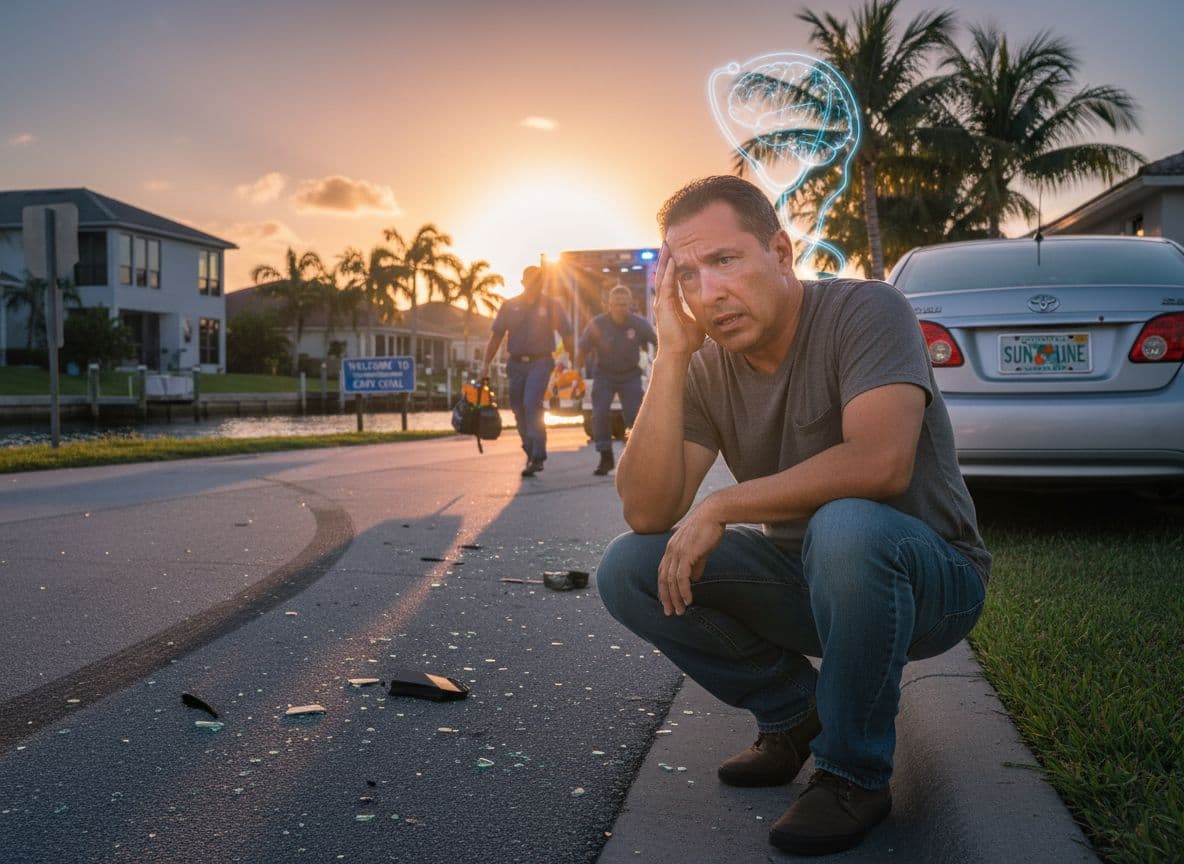
Your car is towed, the police report is written, and you walk away from the crash. You feel shaken, maybe a little dizzy, but you tell everyone you are fine.
Hours or days later, your head is pounding, lights hurt your eyes, and you keep losing your train of thought.
That is how a concussion often looks after a Cape Coral wreck. After any concussion car accident florida victims face two problems at once: protecting their brain and proving what really happened to insurers. This guide explains how to spot warning signs, get the right diagnosis, and know when to call a local lawyer for help.
Why Concussions Are So Easy to Miss After a Cape Coral Crash

Photo by Gustavo Fring
A concussion is a mild traumatic brain injury. In a crash, your brain moves inside your skull, like gelatin in a jar that gets shaken hard. You do not need to hit your head or lose consciousness to be hurt.
Right after a wreck on Del Prado Boulevard or Pine Island Road, adrenaline floods your body. Your heart races, your hands shake, and your focus is on your car, your passengers, and the other driver. That rush can hide early concussion symptoms.
Many people skip the hospital because they are worried about cost or think they are just “stressed.” Others focus on obvious injuries, like cuts or a sore neck, and assume foggy thinking is just shock. By the time symptoms grow worse, important proof can already be missing from your medical records.
Common Signs of a Concussion After a Car Accident
Concussion symptoms are not always dramatic. Some are quiet, slow changes that creep in after a Cape Coral crash.
Physical signs can include:
- Headache or pressure in the head
- Nausea or vomiting
- Dizziness or balance problems
- Blurry or double vision
- Sensitivity to light or noise
Thinking and memory changes often show up as:
- Feeling “in a fog” or slowed down
- Trouble focusing on work, reading, or screens
- Short-term memory gaps, like forgetting conversations
- Getting lost on familiar routes around Cape Coral
Mood and sleep problems may look like:
- Irritability or sudden anger
- Anxiety or feeling on edge in traffic
- Sadness or mood swings
- Sleeping far more or far less than usual
Here is a quick guide to common signs and red flags:
| Symptom type | Examples after a crash | Get urgent help if… |
|---|---|---|
| Physical | Headache, dizziness, nausea, light sensitivity | Headache keeps getting worse, repeated vomiting |
| Thinking & memory | Confusion, slow thinking, trouble recalling the impact | You cannot recognize people or places |
| Vision & balance | Blurry vision, seeing “stars,” unsteady walking | One pupil looks larger, you cannot stand safely |
| Mood & behavior | Irritability, unusual fear, acting “not yourself” | You show very odd behavior or have seizures |
If you notice any of the urgent signs in the right column, call 911 or get to an emergency room immediately.
Getting the Right Diagnosis in Florida: Steps to Take Today
The single best move after a suspected concussion is simple: see a doctor the same day if possible. In Florida, you also have 14 days to seek medical care for no-fault Personal Injury Protection (PIP) benefits, so waiting can hurt both your health and your claim.
For a useful checklist of what to do right after a wreck, review this essential post‑accident checklist for Cape Coral drivers.
When you see a doctor, be very clear that you were in a car crash and suspect a concussion. A thorough evaluation should include:
- Questions about the crash and your symptoms
- Basic neurological tests, like checking strength, reflexes, and balance
- Short memory and concentration checks
- A discussion of your work, school, and daily tasks
You may or may not need a CT scan or MRI. Many concussions will not show up on imaging, so a “normal” scan does not mean your brain is fine. The diagnosis often rests on your story and the exam.
To protect both your health and your future case:
- Tell the doctor every symptom, even if it feels small or embarrassing
- Ask for written instructions on rest, screen time, driving, and work
- Keep a daily symptom journal, including headaches, sleep, and mood
- Go to all follow-up visits and specialist referrals, such as neurology
Clear, early medical records are your proof that the concussion came from the crash, not from something that happened later.
How a Missed Concussion Can Affect Your Injury Claim
A missed or delayed concussion diagnosis can cause long-term problems. You might struggle with work, school, or family life for months. You may need therapy, medication, or time away from driving.
From a legal point of view, thin medical records give the insurance company an excuse to argue that:
- You were only “stressed,” not injured
- Your headaches or memory issues are from age, past problems, or something else
- You are exaggerating because a claim is pending
Florida’s no-fault rules mean your own PIP coverage pays first. For more serious cases, you may seek compensation from the at-fault driver. There, clear proof of brain injury and ongoing symptoms can affect how adjusters view your case and any future settlement talks.
To see how different injuries can change case value, you can look at how injury severity affects Florida auto settlement values. While every case is unique, one theme repeats: documented, well-treated injuries usually draw more respect than vague complaints with gaps in care.
When to Talk With a Cape Coral Personal Injury Attorney
Not every bump on the head needs a lawyer. But you should speak with one if:
- A doctor diagnosed you with a concussion or traumatic brain injury
- Symptoms last longer than 10 to 14 days
- You miss work or school or cannot do your regular job
- You feel unsafe driving or your license restrictions change
- The insurer is pressuring you to settle fast or says you “were not really hurt”
A seasoned personal injury attorney can review your records, explain how Florida law applies, and deal with the insurance companies so you can focus on recovery. To connect with local help, you can hire a Cape Coral personal injury attorney for crash claims.
In concussion cases, timing matters. The sooner a lawyer gets involved, the easier it is to secure evidence, track your care, and avoid mistakes in recorded statements.
Practical Steps You Can Take Right Now
If you are reading this after a recent Cape Coral crash, consider taking these actions today:
- Schedule a same-day or next-day medical visit, even if you “just feel off.”
- Start a simple notebook or phone log for symptoms, missed work, and pain levels.
- Gather photos of the crash scene, your vehicle, and any visible injuries.
- Keep all discharge papers, prescriptions, and medical bills in one folder.
- Avoid posting about the crash or your health on social media.
- Talk with a local attorney before giving detailed statements to insurers.
Small, steady steps like these can make a large difference in both your recovery and any future claim.
Protect Your Brain, Protect Your Case
A concussion after a Florida car crash is not “just a headache.” It is a brain injury that can change how you think, work, and relate to your family. The sooner you get a proper diagnosis, the better your chances of healing fully and building a strong case record.
If a Cape Coral collision left you with lingering symptoms, do not shrug it off or hope it fades on its own. Get checked, follow your doctor’s advice, and ask questions until you understand what is happening. When you are ready, reach out to a qualified local attorney who can explain your rights and help you pursue the support you need to move forward.