
Concussion and Post-Concussion Syndrome After a Florida Car Crash: Building a Strong Injury Claim in Cape Coral
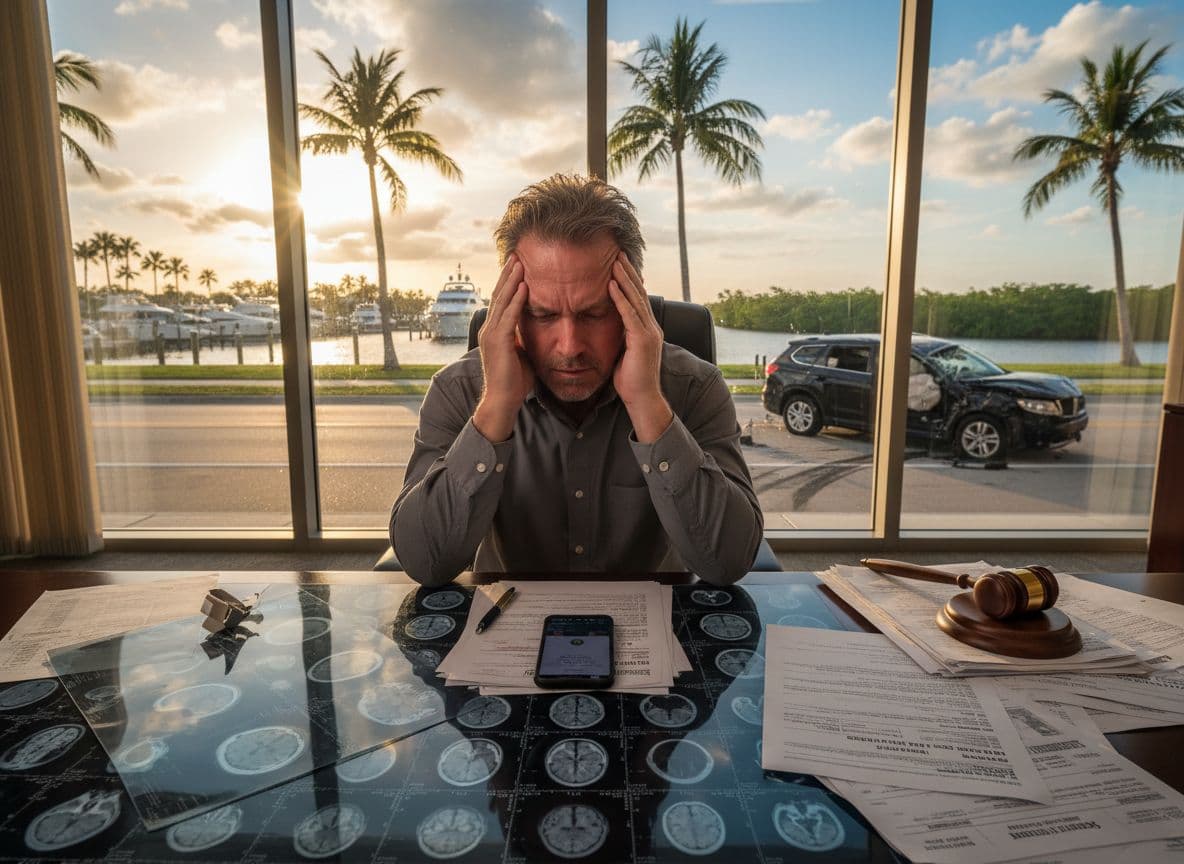
A quiet drive along Del Prado or Veterans Parkway can change in seconds when another driver slams into you. In many cases, the most dangerous injury is the one no one can see: a concussion from a car crash.
If you are dealing with headaches, dizziness, or brain fog after a Cape Coral collision, you may already be living with post-concussion problems. When those symptoms drag on for weeks or months, they can lead to post-concussion syndrome and a complex injury claim.
This guide explains how a concussion car accident affects your brain, what post-concussion syndrome looks like, and how to build a strong claim with the help of a skilled personal injury attorney in Cape Coral.
Concussions After a Cape Coral Car Crash: Why They Are Easy To Miss

Photo by Gustavo Fring
Florida sees hundreds of thousands of crashes each year, and many include some form of head injury. A concussion is a mild traumatic brain injury that happens when your brain moves quickly inside the skull after a jolt, blow, or whiplash-type motion.
You do not have to hit your head on the window or steering wheel to get a concussion. Sudden acceleration and deceleration, which are common in rear-end and side-impact collisions, are enough to injure the brain.
Many people walk away from a wreck feeling “shaken up” but not “hurt.” Then the symptoms creep in over the next 24 to 72 hours. That delay is one reason concussion injuries are often dismissed or underplayed by insurance companies.
Common early signs include:
- Headache or pressure in the head
- Nausea or dizziness
- Feeling slow, foggy, or confused
- Trouble focusing, reading, or remembering simple things
- Sensitivity to light or noise
When you link these symptoms to a concussion car accident in Cape Coral, you create the first building block for your injury claim.
From Concussion To Post-Concussion Syndrome
Most people with a concussion recover in a few weeks with proper rest and treatment. For a significant minority, symptoms linger or even worsen over time. That long-lasting pattern is known as post-concussion syndrome.
Post-concussion syndrome can affect almost every part of daily life:
- Physical: persistent headaches, balance problems, fatigue, ringing in the ears
- Cognitive: memory gaps, slow thinking, trouble multitasking, poor concentration
- Emotional: anxiety, irritability, depression, sudden mood swings
- Sleep: insomnia, waking often, or sleeping far more than usual
These problems are very real, even when brain scans look normal. That gap between how you feel and what tests show is exactly what insurance adjusters try to exploit. They may say you are exaggerating, or that stress, not the crash, is to blame.
Connecting your ongoing symptoms back to the original concussion is central to a strong post-concussion claim.
First Steps After A Suspected Concussion In A Florida Crash
The choices you make in the hours and days after a crash can help protect both your health and your case.
Key steps include:
- Get emergency or urgent care immediately. Tell the doctor it was a car crash and describe every symptom, even if it seems minor. Florida’s no-fault Personal Injury Protection (PIP) rules require you to seek care within 14 days to unlock full benefits.
- Follow medical advice closely. Rest from work, school, sports, and screens if your doctors say so. Skipping appointments gives insurers an excuse to argue you are fine.
- Watch for late-emerging symptoms. Keep a short log of headaches, dizziness, memory slips, and mood changes, and share it with your providers.
- Avoid quick settlements. Early offers often come before the full impact of a brain injury is clear.
If you want a detailed step-by-step checklist, the firm’s guide on essential steps after a Cape Coral car crash explains how to protect your rights from day one.
Once your immediate safety is under control, you can start thinking about the legal side of your concussion and possible post-concussion syndrome.
Proving Concussion And PCS In Your Cape Coral Injury Claim
Insurance companies like “visible” injuries, such as broken bones on X-rays. Concussions and post-concussion syndrome are different. They often require a mix of medical and non-medical proof.
Strong evidence can include:
- ER and clinic records noting head trauma, confusion, or loss of consciousness
- Neurology or concussion clinic notes describing ongoing cognitive and balance issues
- Neuropsychological testing that documents problems with memory, speed, and focus
- Therapy records, such as physical, vestibular, or vision therapy for concussion rehab
- A symptom diary, where you track headaches, sleep, and mental fatigue over time
- Witness accounts from family, friends, and co-workers who see changes in your mood or abilities
Your lawyer can gather, organize, and present this material in a way that shows a clear story: you were healthy before the collision, you suffered a concussion in the crash, and you now live with long-term post-concussion effects.
Damages You Can Claim For Concussion And PCS
A serious brain injury affects far more than your medical bills. In a concussion or post-concussion syndrome case, your claim may cover several categories of loss.
Common damages include:
- Medical costs: ER visits, imaging, specialist care, therapy, medications, and future treatment
- Lost income: missed days at work, reduced hours, job changes, or lost career opportunities
- Support services: help with childcare, driving, or housekeeping when you cannot safely manage them
- Pain and suffering: daily headaches, dizziness, and physical discomfort
- Loss of quality of life: giving up hobbies, social activities, or independence because of your symptoms
For a deeper look at how these categories work, review this guide to car accident compensation types explained.
In Florida, you generally have two years from the crash date to file a personal injury lawsuit, so waiting too long can cut off your right to seek full compensation.
How A Cape Coral Personal Injury Attorney Strengthens Your PCS Case
Trying to manage a complex brain injury claim while battling fatigue and brain fog is like trying to drive across the state with a cracked windshield and no GPS. It can be done, but it is risky and exhausting.
An experienced Cape Coral personal injury attorney can:
- Coordinate with your medical team to document concussion and PCS correctly
- Secure expert opinions from neurologists and neuropsychologists
- Track all deadlines, including Florida’s PIP rules and two-year lawsuit window
- Push back when insurers say your problems are “just stress” or “not from the crash”
- Calculate fair value for future treatment, lost earning capacity, and non-economic harm
- Prepare your case for trial if the insurer refuses to pay a fair amount
To learn how a focused injury firm approaches these cases across Southwest Florida, see Avard Law personal injury services in Cape Coral.
Good legal help lets you put your energy where it belongs: on healing and rebuilding your life.
Protect Your Health And Your Claim After A Concussion
A concussion from a Florida car crash is not “just a bump on the head.” When symptoms linger, post-concussion syndrome can affect every part of your life, from your paycheck to your closest relationships.
If a Cape Coral collision has left you dealing with headaches, brain fog, or mood changes, do not ignore them. Get thorough medical care, keep records, and speak with a knowledgeable local attorney before talking to the other driver’s insurer or agreeing to any settlement.
You do not have to go through this alone. With the right support and a well-built claim, you can protect your future and hold the at-fault driver accountable for the harm their choices caused.