
Florida Bouncy House Injury Claims: A Proof Checklist for Parents
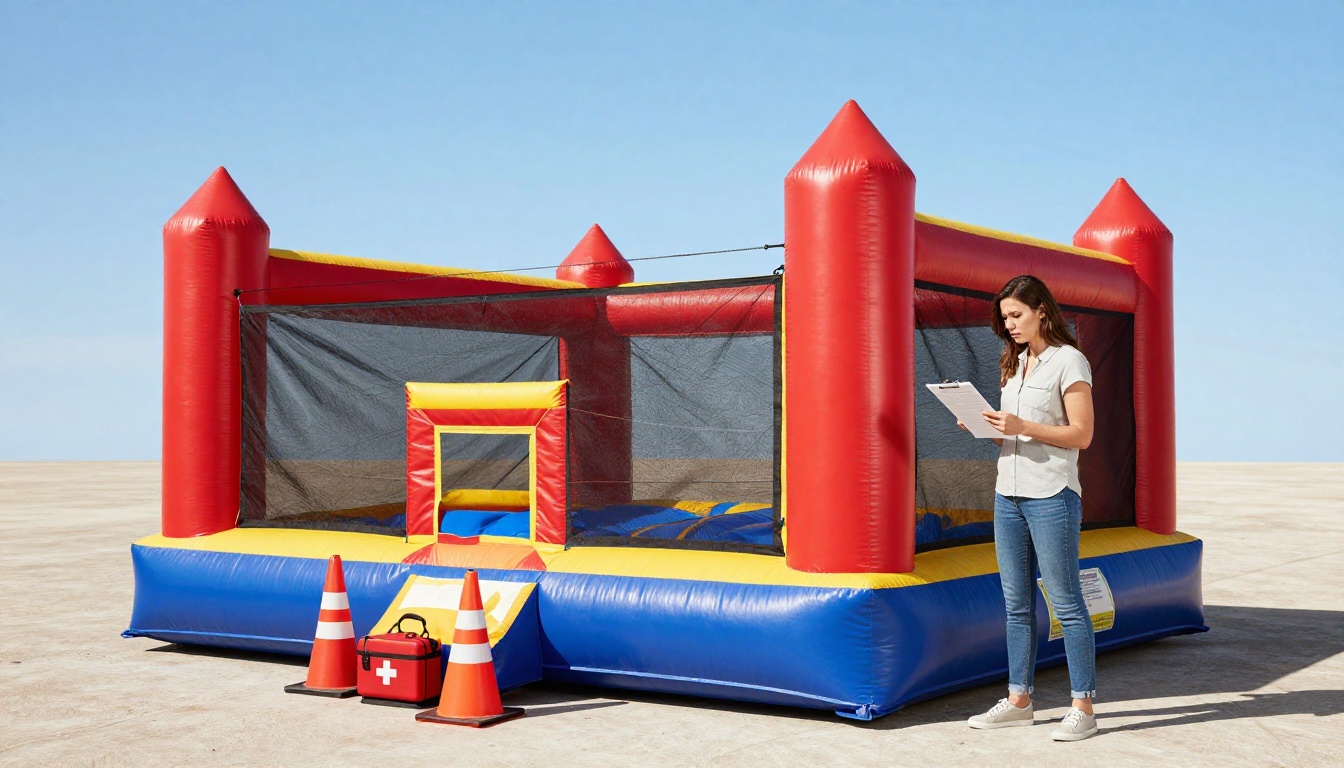
A bouncy house can turn a birthday party into an ER visit in minutes. When that happens, Florida bouncy house injury claims often rise or fall on the proof parents save in the first day.
Memories blur fast. Staff change shifts, the inflatable gets packed away, and phone videos vanish. That is why parents need a clear checklist, not guesswork.
Start with your child’s safety, then build a record that shows what happened and who failed to prevent it.
Why proof matters more than parents think
Bounce house injuries are not rare. National reports have logged more than 100,000 injuries over the past decade. About 30 children a day are treated for these accidents. Broken bones, sprains, bruises, and head injuries show up again and again.
In Florida, parents face another problem. The state has no single statewide safety code for bounce houses, and local rules can differ. So a claim often depends on simple facts, such as whether the unit was anchored, whether older kids were mixed with toddlers, and whether anyone watched the line.
The scene changes fast. If you don’t save proof early, the rental company or event host may shape the story first.
Think of the claim like a puzzle. One photo or one witness may not prove the whole case, but several pieces together can show negligence. The goal is to answer four questions, what happened, why it happened, how badly your child got hurt, and what that harm cost your family.
That same rule applies at other family attractions. If you want a related example of how fast evidence matters, Avard Law’s guide on proving negligence in Florida trampoline park claims shows how photos, witnesses, and medical records can make or break an injury case.
What to collect before the inflatable comes down
After you get medical help, document the scene. Use your phone like it’s your backup memory. Wide shots show the whole setup. Close shots show the loose stake, torn net, soft wall, wet ground, or extension cord running across the grass.
Next, identify the people tied to the event. Get the rental company name, the event host, the property address, and the names of any workers on site. If a school, church, fair, or city event was involved, save that detail too because more than one party may share fault.
Try to save these items before the unit is removed:
- Photos and video of the inflatable, anchors, blower, warning labels, and surrounding area.
- Witness names and phone numbers, especially other parents who saw the fall or rough play.
- The date, time, and weather, including strong wind, rain, or sudden deflation.
- Tickets, receipts, online booking emails, and any waiver screen you signed.
- The incident report number, if staff or the host wrote one.
- Your child’s clothing and shoes, if they show dirt, tears, or blood.
Also save digital proof. Ask other parents to text you their videos before they delete them. If the accident happened at a public venue, request that security footage be kept. Video systems often overwrite files fast.
Don’t coach your child into a polished version of events. Write down what your child says in simple words while the memory is fresh. Short notes are better than a story that changes later.
Medical proof that connects the injury to the accident
A claim is not only about how the fall happened. It’s also about linking the injury to that fall. That link gets stronger when your child receives same-day medical care and the records describe the bounce house accident clearly.
Tell each provider the same basic facts. Keep it short and accurate. For example, say your child was thrown into a side wall, landed on an arm, or was hit after a double bounce. Small changes in the history can give insurers room to argue.
The key records usually fit into five buckets:
| Proof | What it helps show | Best source |
|---|---|---|
| Scene photos | Hazard, crowding, setup problems | Phone images taken right away |
| Witness contacts | Independent support | Parents, staff, vendors |
| Medical records | Diagnosis and causation | ER, urgent care, pediatrician, orthopedist |
| Bills and missed time | Financial loss | Receipts, mileage, work and school records |
| Contracts and messages | Who controlled the event | Rental agreement, texts, emails |
That mix of proof gives the claim both a story and a paper trail.
After the first visit, keep going. Save imaging reports, discharge papers, referrals, therapy notes, prescription records, and follow up instructions. If your child misses school, sports, or sleep, write it down. A short daily log can show pain, fear, and limits that do not appear on an X-ray.
This matters even more with head injuries. A concussion may look mild at first, yet headaches, light sensitivity, or mood changes can show up later. When parents track symptoms, the claim has a cleaner timeline.
Waivers, fault, and what can make a Florida claim stronger
Many inflatable rentals come with a waiver. That paper may matter, but it doesn’t answer every question. A claim can still turn on unsafe setup, poor supervision, overloading, worn equipment, or ignoring weather warnings.
Commercial inflatable standards, including ASTM guidance, focus on anchoring, capacity limits, adult monitoring, and weather checks. Those points matter because they often match the facts behind serious injuries. If the unit shifted in wind, held too many kids, or mixed big kids with small ones, your proof starts to tell a stronger story.
Parents should also think beyond the rental company. The event host, property owner, school group, church, festival organizer, or setup crew may each hold part of the responsibility. In some cases, one party supplied the inflatable while another allowed unsafe use.
Speed matters here because evidence fades. Contracts get misplaced. Social media posts disappear. Employees forget what they saw. Getting legal help early can help preserve records, identify the right defendants, and stop the blame from landing on your child by default.
A bouncy house injury claim is built on proof, not on outrage alone. The strongest cases usually start with quick photos, clear medical records, and the names of everyone tied to the event.
If your child was hurt, act before the inflatable is packed away and the story hardens. Good evidence gives your family a fair shot at answers, accountability, and full compensation.