
Florida Brake-Check Crash Claims: Evidence That Shows Intentional Driving
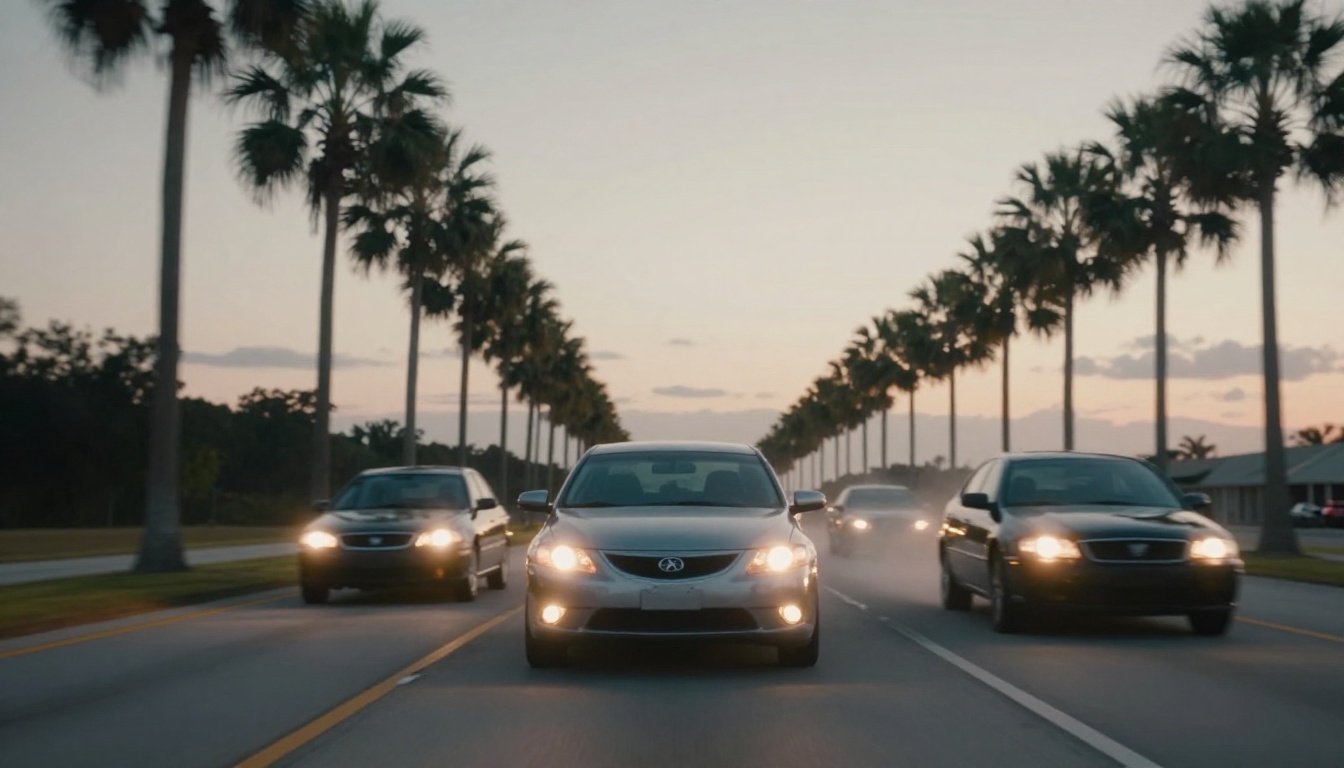
A rear-end crash often looks open-and-shut. In Florida, insurers usually start by blaming the rear driver and calling it a following-too-closely case. But brake check crash claims don’t fit that neat story.
When a driver slams the brakes to punish, scare, or trap the car behind, the case turns on intent. The real question isn’t only who hit whom. It’s whether the lead driver created the crash on purpose, without a real traffic reason to stop. That proof can change fault, damages, and settlement value.
Why brake-check cases are harder than they look
As of March 2026, Florida still doesn’t have a stand-alone law that says “brake checking.” Still, the conduct can support careless driving, reckless driving, or aggressive driving claims when the facts fit. In a civil case, you don’t need a criminal conviction. You need evidence that the other driver acted unreasonably and caused the wreck.
These cases are tough because rear-end crashes come with built-in skepticism. Insurance adjusters often assume the rear driver was tailgating, distracted, or speeding. That starting point matters. Florida’s modified comparative fault rule can reduce your recovery, and if you’re found more than 50 percent at fault, you may recover nothing in a negligence claim.
PIP may cover some early bills, but serious injury claims still rise or fall on fault proof. So the case becomes a two-front fight. First, you have to show the lead driver braked on purpose. Second, you have to show your own driving was reasonable for the speed, traffic, and distance involved.
Rear-end damage doesn’t settle a brake-check case. The strongest file explains why the lead driver braked, and why no real hazard required it.
Road rage facts can shift the whole picture. If the lead driver was weaving, gesturing, lane-blocking, or brake-tapping before impact, the crash starts to look less like a mistake and more like intentional driving. In some cases, that kind of proof may also support a punitive damages request, but a hard stop alone usually isn’t enough.
The evidence that can prove intentional driving
Think of the case as a movie, not a snapshot. A single photo shows damage. A timeline shows intent.
Intent rarely gets admitted. Most drivers don’t tell police they wanted to scare someone. Because of that, the best proof comes from neutral sources that capture timing, speed, and the empty roadway ahead.
Here is the evidence that usually matters most:
| Evidence | What it can show |
|---|---|
| Dashcam or surveillance video | A sudden cut-in, mirror glance, no obstacle ahead, or repeated brake taps |
| Event data from the vehicles | Sharp braking, speed changes, and the seconds before impact |
| Witness statements or 911 calls | Road rage, gestures, lane blocking, or prior aggressive moves |
| Scene and damage photos | Impact angles, short following gap after a cut-in, and lack of any real hazard |
Video is often the best piece of proof. A clean dashcam clip can show the lead driver changing lanes in front of you, then braking in an empty lane. Nearby business cameras can do the same. Yet those files disappear fast. The same quick-preservation habits in this Florida merge accident proof checklist matter here too, because lane-position evidence and camera footage may be gone within days.
Vehicle data can also help. Many newer cars store speed, braking, steering, and seat belt data. If the lead car shows a sudden hard brake with no traffic event ahead, that supports your version. Your own car’s data may also show a normal reaction, not reckless tailgating.
If the driver’s behavior suggested impairment or extreme aggression, the record may go beyond the crash report. A focused preservation approach, like the one outlined in this Florida DUI crash evidence checklist, can help identify bodycam video, officer observations, and dispatch records worth securing early.
Facts that separate a brake check from a real emergency stop
Not every hard stop is wrongful. Drivers have to brake for traffic backups, pedestrians, debris, or a car that cuts into their lane. Because of that, strong brake check crash claims remove innocent explanations.
Several facts often point toward intentional driving. The lead driver may change into your lane and brake almost at once. The road ahead may be clear for several car lengths. A witness may describe hand gestures, horn use, or an earlier lane dispute. Sometimes the lead driver looks in the mirror first, then slams the brakes. Other times, the driver taps the brakes more than once before the final hard stop, as if sending a message.
Post-crash statements can matter too. A sentence like “You were riding me” can sound like an admission of motive. So can a claim that they were “teaching you a lesson.” Those remarks don’t win the case by themselves, but they can strengthen the timeline.
A police report helps, but it isn’t the last word. Officers often arrive after the collision. If no one captured the driving just before impact, the report may only repeat both stories. That’s why a missing citation doesn’t kill the claim, and a citation doesn’t automatically win it. Outside proof usually carries more weight.
How to protect your claim before the story changes
After a brake-check collision, time works against you. Cameras overwrite footage. Vehicles get repaired. Memories harden. The first 24 hours can shape the whole case.
If you can act safely, do these things early:
- Save dashcam footage in two places, and keep the original file.
- Photograph both vehicles, the roadway ahead, and any nearby businesses or homes with cameras.
- Get witness names and numbers, especially from people who saw the driving before impact.
- Seek medical care promptly, then describe every symptom in plain words.
- Keep towing bills, repair estimates, work-loss records, and crash-related receipts.
Also, don’t debate fault at the scene or on social media. A rear-end crash looks simple, and insurers use loose statements to lock in blame fast. “I couldn’t stop in time” can sound much worse on paper than it did in the moment.
If your injuries are serious, early legal help matters. A lawyer can send preservation letters, request video before it disappears, inspect both vehicles, and line up the timing proof that turns an accusation into a case.
The bottom line on Florida brake-check crash claims
Brake-check cases are won with timing, not outrage. The goal is to show the stop was intentional, unnecessary, and dangerous, while also proving your own driving was reasonable. If you think the other driver used the brakes as a weapon, move fast. Evidence fades quickly, and once it disappears, the other driver’s story gets much easier to sell.