
Florida Construction Zone Car Crashes Evidence Checklist For Victims
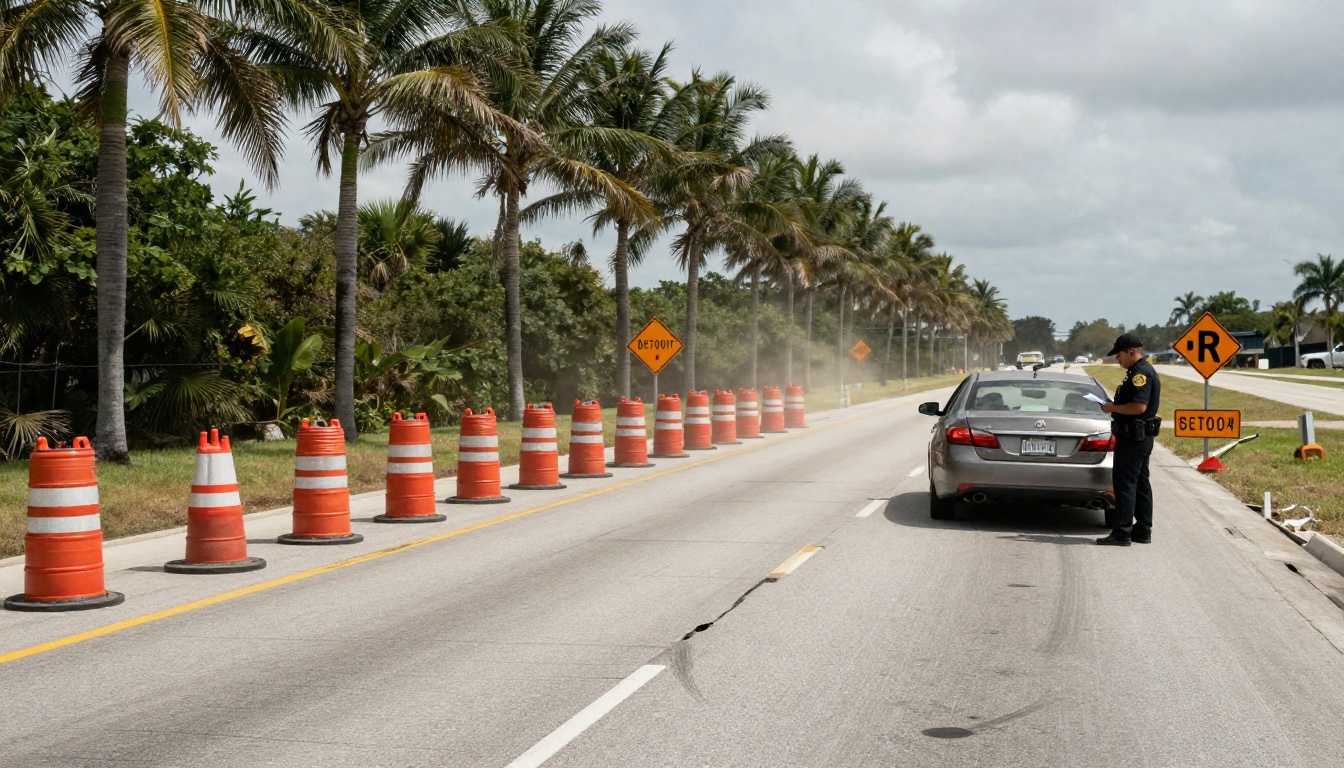
A Florida construction zone crash can feel confusing in the first minutes and frustrating for months after. Cones shift, lanes vanish, and drivers make sudden moves. Then the story changes fast, because signs get moved, barrels disappear, and the crew is gone the next day.
The bottom line is simple: the strongest claims usually come from the people who preserve evidence early. You don’t need to “prove everything” at the roadside, but you do need to protect the facts before they fade.
Below is a practical, victim-focused evidence checklist, written for Florida road work crashes where fault can involve more than one party.
Why evidence matters more in a Florida construction zone crash
Construction zones create “multiple layers” of risk. A driver can cause a rear-end collision, but poor lane taper, confusing signs, or blocked sight lines may have set the trap. Because of that, evidence in these cases often needs to answer two questions at once: what the driver did, and what the work zone looked like at the moment of impact.
Florida agencies track the stakes. FDOT has reported tens of thousands of work zone related crashes in recent statewide data sets, along with serious injuries and fatalities. You can review FDOT’s public guidance on Florida work zone safety to see how the state describes common work zone dangers and prevention efforts.
The hardest part for victims is that the best evidence is also the easiest to lose:
- Temporary signs can be relocated within hours.
- Fresh skid marks fade, then get covered by traffic.
- Witnesses drive off and can’t be found later.
- Video systems overwrite footage in days, sometimes sooner.
That’s why “later” is expensive in a construction zone case. It can push the claim into a he said, she said dispute, even when the crash was avoidable.
If you only do one thing, document the zone itself, not just vehicle damage. The work zone setup is often the hidden argument.
The first 24 hours: scene proof that tends to decide fault
If you can safely do it, collect work zone evidence like you’re photographing a storm that’s about to pass. You’re trying to capture what a careful driver would have seen (or not seen).
Start with wide shots, then move closer. If you’re injured, ask a passenger or a bystander. If nobody can, make notes on your phone as soon as you can.
Here’s what to capture, ideally before vehicles move (but never risk your safety to do it):
Work zone layout and warnings
- Advance warning signs (or missing signs) leading up to the zone
- Speed limit signs and any “fines doubled” postings
- Lane shift arrows, merge warnings, and “road work ahead” notices
- Cones, barrels, barricades, and their spacing
- Open trenches, plates, uneven pavement, debris, or loose gravel
The collision story
- Final rest positions of vehicles (wide angles from multiple sides)
- Skid marks, yaw marks, or gouges in pavement
- Point of impact cues (plastic, broken lights, paint transfer)
- Weather, lighting, glare, and visibility conditions
- Nearby business cameras, traffic cameras, and dashcams (note their locations)
A quick way to stay organized is to gather evidence in three buckets:
| Evidence type | What to save | Why it matters |
|---|---|---|
| Zone warnings | Photos and video of signs, cones, barrels | Shows whether drivers had fair notice |
| Road surface | Uneven pavement, debris, lane edges | Helps explain loss of control or sudden braking |
| Timing proof | Screenshot of time, location, weather app | Locks in conditions before they’re disputed |
| Witness info | Names, numbers, short voice memo | Witnesses are hard to track later |
Also request the crash report, but don’t assume it will capture the work zone details you need. Police reports can be helpful, yet they often focus on drivers, not traffic control design.
If the other driver flees, treat it like a hit-and-run immediately. Write down the direction of travel and any identifying features. For more on protecting a claim when a driver disappears, see Florida hit-and-run claim strategies.
Medical and financial records: the proof insurers actually pay for
Photos win attention. Medical records and billing records drive settlement value.
Get checked out as soon as possible, even if you think it’s “just sore.” Symptoms in work zone crashes often show up later, especially with neck, back, and concussion injuries. Also, Florida’s no-fault rules can be unforgiving about delays. If you wait too long to seek care, an insurer may argue you weren’t really hurt, or that something else caused your pain.
As you treat, build a clean paper trail:
- ER or urgent care notes, imaging, discharge paperwork
- Follow-up visits, referrals, and physical therapy notes
- Prescriptions and over-the-counter medication receipts
- Mileage to medical appointments and parking costs
- Work status notes, pay stubs, and missed-time confirmations
Keep a short daily log too. Two sentences is enough. Note pain level, sleep problems, and what you couldn’t do that day. Think of it like a weather report for your recovery. It adds context your charts may not show.
Preexisting conditions come up a lot in Florida injury claims, especially with back and neck injuries. The key is documenting what changed after the crash. If you’re worried an insurer will try the “you were already hurt” defense, this guide on proving aggravation in Florida car accident claims explains the records and wording that tend to matter.
For statewide context on crash reporting and how Florida tracks injuries and fatalities, you can also review the Florida Traffic Crash Facts Annual Report (2023).
Work zone liability: who could be responsible, and what evidence points to each
Many victims assume a construction zone crash is always “just the other driver.” Sometimes it is. Still, work zone cases often involve overlapping responsibility, and the evidence you save can point to the right target.
Common liability paths include:
Another driver’s negligence Distraction, speeding, tailgating, or unsafe lane changes cause many work zone rear-end and sideswipe crashes. Dashcam video, phone metadata (if later obtained), witness statements, and vehicle damage patterns can help prove it.
A contractor or subcontractor Poor traffic control can create sudden merges and surprise stops. Evidence here includes missing or confusing signs, cones placed too late, blocked sight lines, or unsafe entry points for construction vehicles. Your photos become the starting point for investigating plans, permits, and daily setup logs.
A truck or commercial vehicle Work zones often squeeze traffic and reduce reaction time. If a commercial driver is involved, extra evidence may exist, like electronic logging data, onboard cameras, inspection records, and maintenance history. This page on who’s responsible in Florida truck collisions gives a practical look at how fault evidence differs in truck cases.
Government entities Some cases involve a public agency’s role in design, maintenance, or oversight. These claims can have strict notice rules and shorter deadlines. That’s one reason victims should speak with counsel quickly, even when injuries seem manageable at first.
As of March 2026, timing matters more than people expect because Florida changed its negligence lawsuit deadline for many cases (often to two years, depending on when the crash occurred). Waiting can also mean losing video, work zone documentation, and witnesses.
Evidence doesn’t just prove what happened, it prevents the other side from rewriting the work zone after the fact.
Conclusion
After a Florida construction zone crash, the road can look normal again in a day, but your case doesn’t. Save proof of the zone setup, lock in witnesses, and get medical care early so your records match your reality. When several parties may share fault, fast evidence collection gives you options later. If you can’t gather everything yourself, getting legal help quickly can preserve the details that matter most.