
Head-On Collision In Florida: Proof Checklist For Not-At-Fault Drivers
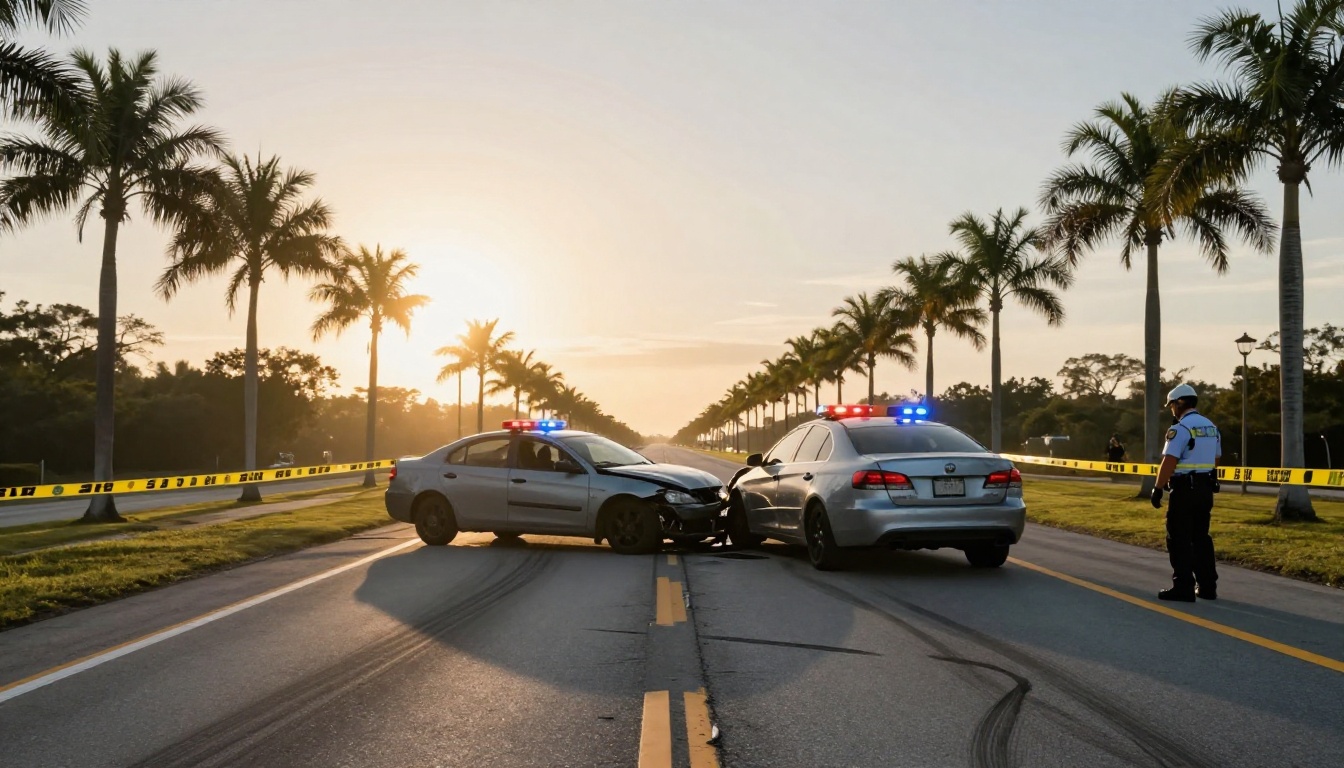
A Florida head-on collision can flip your life in seconds. It also creates a fast-moving fight over fault, injuries, and insurance money.
If you didn’t cause the crash, your job is simple to say but hard to do: prove it. Evidence fades like footprints in wet sand. Cars get towed, skid marks wash away, and stories change after everyone talks to their insurer.
This guide gives a practical proof checklist you can use from the roadside through the first few weeks, so you don’t get blamed for a wreck you didn’t cause.
The first 30 minutes: protect people, then protect the facts
In a head-on crash, adrenaline lies. You may feel “okay” and still have a serious injury. Start with safety, then lock in the scene while it still exists.
- Call 911 and accept medical help. Even if you think it’s “just soreness,” get checked. The medical record often becomes your first neutral proof of harm.
- Get out of danger if you can. If vehicles can move and it’s safe, pull to a safer spot. If not, stay buckled until help arrives.
- Make sure law enforcement responds. A head-on collision almost always needs an officer and a written report. Florida’s crash reporting rules appear in Florida Statutes section 316.066.
- Exchange the right information, not opinions. Florida law requires drivers to provide identifying and insurance details and render reasonable aid, see Florida Statutes section 316.062. Keep it polite and brief.
- Don’t say “I’m sorry” or “I didn’t see you.” In the moment, those words feel human. Later, they can sound like an admission.
- Start documenting before vehicles disappear. If you’re physically able, take quick photos and a short video sweep.
Florida also has its own official guidance on what to do after a crash. It’s worth bookmarking FLHSMV’s “Involved in a Crash?” page and reviewing it while the details are still fresh. For a local, step-by-step response plan, see what to do immediately after a car accident in Cape Coral.
The proof checklist that shows you didn’t cross the center line
Most head-on cases come down to one key point: which vehicle left its lane. Think of the scene like a chalk outline that rain can erase. Your goal is to capture lane position, direction of travel, and impact location using simple, boring evidence that holds up later.
Here’s the proof that tends to matter most, with the “why” next to it.
| Proof to gather | How to get it fast | Why it matters in a head-on claim |
|---|---|---|
| Scene “map” photos | Wide shots from both directions, showing center line and lane markings | Shows where each car ended up and which lane they occupied |
| Point of impact clues | Debris field, gouge marks, fluid trails, and tire marks | Often reveals where impact occurred, not just where cars stopped |
| Vehicle damage angles | Photos of front ends, corners, and side scrapes | Helps reconstruct angles, offset impacts, and lane drift |
| Witness info | Names, phone numbers, short recorded statement if they agree | A neutral witness can break a tie when drivers disagree |
| Video sources | Dashcam files, nearby business cameras, doorbell cams | Video can settle fault disputes in minutes |
| Driver behavior evidence | Photos of open alcohol containers, admissions captured in notes | Supports careless driving theories (but stay safe and non-confrontational) |
If you can only do one thing well, do this: take wide photos that show lanes and orientation, then move closer.
A strong crash photo set works like a map, not a scrapbook. Wide shots first, then medium shots, then close-ups with context.
For a detailed, field-ready shot list (including skid marks, signs, and lighting), use Avard Law’s guide to Cape Coral crash scene photos for proving fault. The same approach applies across Florida, whether the crash happened in Fort Myers, Naples, Orlando, or on a rural two-lane road.
Also, document the road itself. Head-on impacts often happen near curves, faded striping, construction shifts, or poor lighting. A quick photo of a “No passing zone” sign or a worn center line can later explain why the other driver’s story doesn’t fit the roadway.
Medical and insurance proof: the paperwork that makes your case real
Head-on collisions cause some of the worst injuries because force hits straight through the cabin. That makes medical proof just as important as scene proof.
Start medical care right away, and stick with it. Gaps in treatment let insurers claim you weren’t really hurt, or that something else caused the pain. Keep every discharge paper, imaging report, prescription receipt, and work restriction note.
Florida still follows a no-fault system as of March 2026, so your own Personal Injury Protection (PIP) coverage often pays first, even when the other driver caused the crash. The catch is timing.
Miss the medical deadline and you can lose access to PIP benefits, even with a clear not-at-fault case.
To understand how PIP and the serious injury threshold affect a head-on claim, read understanding Florida’s no-fault law after a car accident in Cape Coral. It explains when a case can move beyond no-fault into a liability claim for full damages.
Insurance rules also shape what proof you’ll need. Florida’s basic coverage requirements are summarized on FLHSMV’s insurance requirements page. In addition, lawmakers have continued to adjust PIP-related rules and disputes in recent sessions, see the Florida Senate’s bill analysis PDF on PIP benefits and related litigation issues. Because the system can shift, the safest move is to build a claim file that would still stand up under a fault-based review: clear photos, neutral witnesses, prompt care, and complete records.
Finally, track your losses in plain language. Save pay stubs, towing and rental receipts, and a short weekly note about what you can’t do now (sleep, driving, lifting, childcare). These details turn medical codes into a human story.
Conclusion: build proof early, because fault fights start early
After a Florida head-on collision, the other driver’s insurer may look for any reason to split blame. The strongest protection is a clean timeline backed by photos, witnesses, a police report, and consistent medical care.
If you’re not at fault, treat evidence like perishable food. Gather it fast, store it safely, and don’t assume it’ll be there later. When the facts are clear, it’s much harder for anyone to rewrite what happened.