
Florida Jackknife Truck Crash Claims: Black Box And Brake Proof
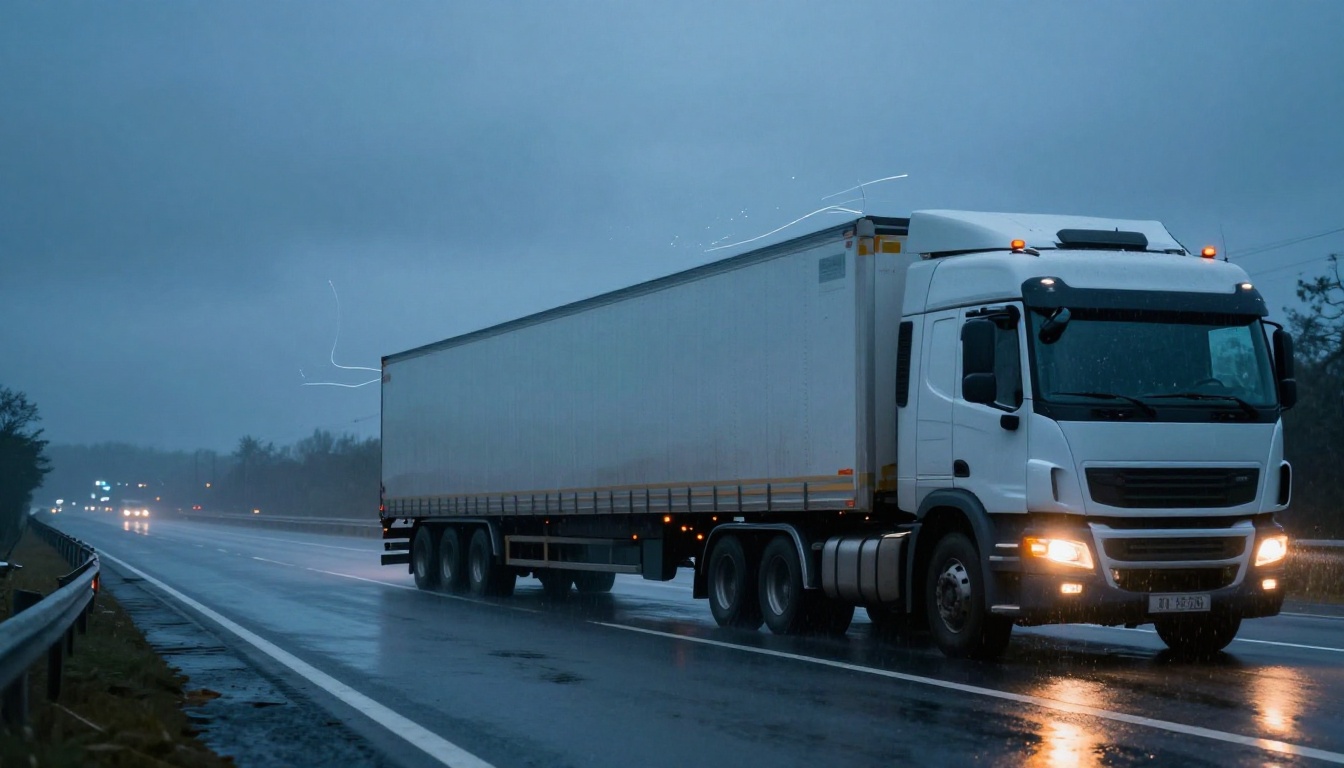
A jackknife crash can turn a normal drive into a chain-reaction disaster in seconds. One moment the truck is moving straight, the next the trailer swings wide like a folding knife and blocks the road. In many Florida truck accident claims, the hardest fight starts after the wreckage is cleared.
That fight often comes down to two kinds of proof, black box data and brake evidence. When they line up, they can show whether the truck was speeding, braking too late, losing traction, or running with bad brakes long before impact.
Why jackknife truck crashes are so hard to dispute without solid proof
A jackknife happens when the tractor and trailer fold toward each other. Most often, the trailer loses grip and pushes sideways. Wet pavement, sudden braking, bad tires, overloaded cargo, and brake defects can all set that in motion.
Public 2026 Florida numbers for jackknife-only crashes are not available yet. Florida also does not break out jackknifes as a separate crash category in routine public reporting. Still, recent state data shows how common major truck wrecks are. Florida recorded 10,178 semi-truck crashes in 2024. In 2023, the state reported 47,197 commercial vehicle crashes, including 248 fatal crashes and 8,582 injury crashes involving large trucks.
That matters because jackknife wrecks often block several lanes at once. One truck can trigger a pileup, crush smaller cars, and scatter debris across an interstate. As a result, blame gets messy fast.
The carrier may say the driver of the car cut off the truck. The insurer may argue the victim stopped short or changed lanes. Because Florida uses modified comparative negligence in most injury cases, every percentage point of fault can affect the value of the claim.
That is why early action matters. If the crash just happened, these steps after a Florida truck crash can help protect both your health and your evidence.
What black box data can show after a Florida jackknife crash
People call it the truck’s black box, but the system may be an ECM, EDR, or another onboard module. Names differ by truck and model year. The key point is simple, the truck may have stored data from the seconds before impact.
That data can show speed, throttle use, brake application timing, engine RPM, cruise control status, and sudden deceleration. In some cases, it can also reveal whether the driver braked hard, braked too late, or did not brake at all before the trailer swung out.
For jackknife cases, timing is everything. If the truck was traveling too fast for rain-soaked pavement, the data may show it. If the driver hit the brakes hard and the tractor slowed while the trailer pushed forward, the download can support that sequence. When a company claims the truck was under control, electronic data may say otherwise.
If the tractor is repaired, powered down, or inspected without proper notice, some of the best proof can disappear in days.
Still, black box data is not magic. Not every truck records the same fields. Some systems save only a short event window. Others need a trained technician to extract and read the information the right way. That is why preservation letters and prompt inspections matter so much in serious Florida truck accident claims.
Black box proof also works best when it is paired with scene evidence. Skid marks, dash camera footage, witness statements, and roadway gouges help confirm what the module recorded. On its own, data tells part of the story. When it fits the physical evidence, it becomes far harder for an insurer to explain away.
Brake evidence often tells the deeper story
A jackknife crash may look like a driver error case, but brake proof often tells the deeper story. If the brakes were worn, uneven, out of adjustment, or poorly maintained, the trailer may have pushed the tractor into a fold even before the driver could recover.
Here is how the most common proof fits together:
| Evidence | What it may show | Why it matters |
|---|---|---|
| Black box download | Speed, braking, throttle, timing | Rebuilds the last seconds |
| Brake inspection | Wear, imbalance, air leaks, defects | Points to a mechanical cause |
| Maintenance records | Missed repairs, repeat complaints | Shows poor upkeep |
| Post-crash reports | Out-of-service violations, failed parts | Links condition to the wreck |
This mix matters because brakes do not fail in only one way. One axle may grab harder than another. A brake chamber may leak air. Slack adjusters may be out of spec. ABS faults can also reduce stability under hard braking. When that happens, the trailer can shove sideways and start the jackknife.
A public NTSB vehicle factors report from an Alachua County crash shows the kind of mechanical review investigators perform in major truck cases. They do not rely on guesswork. They inspect hardware, measurements, and vehicle condition.
In many claims, a lawyer will also seek repair orders, annual inspection files, driver vehicle inspection reports, towing photos, and post-crash maintenance records. Cargo records can matter too. If the load shifted or the trailer was badly balanced, braking force could turn a hard stop into a sideways slide.
That is also why fault may reach beyond the driver. The trucking company, a maintenance vendor, or another party may share blame. Questions like those often shape determining fault in Florida truck crashes after a serious wreck.
The bottom line for Florida truck accident claims
Black box data shows what the truck did. Brake evidence helps explain why it happened. Put together, they can cut through blame-shifting and strengthen Florida truck accident claims after a jackknife wreck.
If you are dealing with severe injuries, lost income, or a trucking insurer that keeps pointing fingers, quick evidence work matters. Speaking with Florida truck accident attorneys early can help preserve the tractor, the trailer, the data, and the maintenance history before they are lost. In these cases, the strongest claim is usually the one built first.