
Florida Medication Error Claims After Hospital Discharge: What To Save
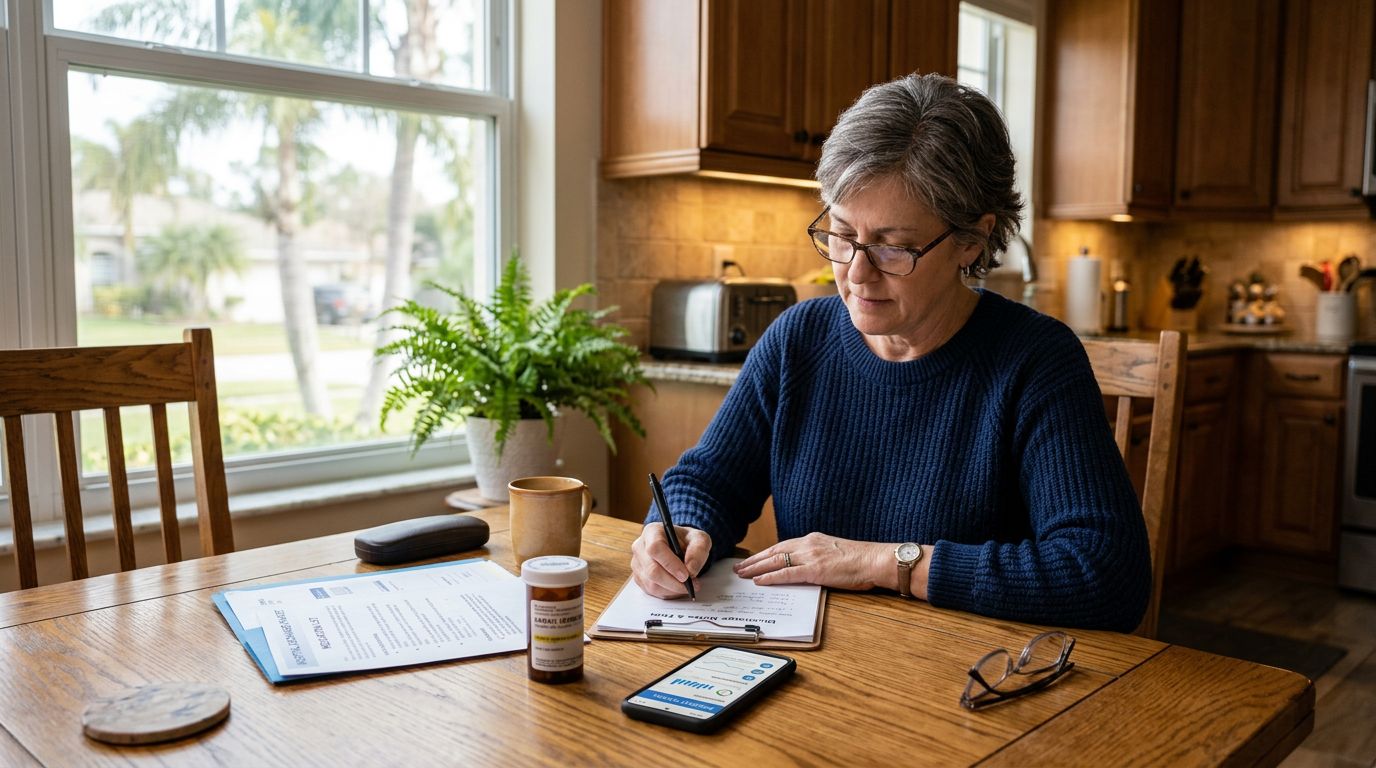
You made it home from the hospital, then something feels off. A new pill causes a scary reaction, your symptoms spike, or you learn you were told the wrong dose. When that happens, Florida medication error claims often rise or fall on one thing: what you can still prove after discharge.
The hard part is timing. Discharge days blur together, bags get tossed, and patient portal messages disappear in the scroll. Still, the evidence is usually right in front of you, if you know what to keep.
This guide explains what to save, how to store it, and why each item matters if you suspect a medication mistake.
Why discharge medication errors are hard to prove later
Medication mistakes after a hospital stay often come from a handoff problem. One team treated you inpatient, another team handles follow-up, and a retail pharmacy may fill what the hospital ordered. In that shuffle, a single wrong entry can snowball.
Many cases involve medication reconciliation errors, meaning your “home meds” list and your discharge list don’t match. Other cases involve a dose that’s too high for kidney function, a missed allergy, or a dangerous drug interaction. Sometimes the prescription is correct, but the instructions you received are not.
Proving a claim usually requires showing more than “I felt bad after taking it.” You’ll need a clear timeline that connects (1) what you were told to take, (2) what you actually took, and (3) what harm followed. That’s why paperwork and packaging matter. They function like breadcrumbs in a forest. Without them, it’s easier for the hospital or insurer to argue your complications came from your underlying condition.
In Florida, medical negligence cases also depend on the standard of care, and that often means expert review. If you want a deeper look at the kind of documentation that tends to matter most, see Avard Law’s guide on evidence required for Florida medical malpractice claims.
A common mistake is waiting until you “feel better” to gather documents. By then, labels fade, portals update, and memories get fuzzy.
What to save for Florida medication error claims (a practical list)
Start with this mindset: save anything that shows names, doses, dates, and instructions. Then save anything that proves harm and cost. You’re building a before-and-after record.
Here’s a quick reference table you can use as you collect items.
| What to save | Where it usually is | Why it matters |
|---|---|---|
| Discharge instructions and after-visit summary | Printed packet, patient portal | Shows what the hospital told you to do, including med changes |
| Full discharge medication list | Discharge packet, portal | Establishes the official plan, including start and stop orders |
| Prescription bottles and boxes (with labels) | Your medicine cabinet, the bag from the pharmacy | Proves what was dispensed and the exact directions you were given |
| Pharmacy leaflets and receipts | Stapled to the bag, email receipt | Helps confirm fill date, NDC details, and payment trail |
| Photos of pills (front and back) | Your phone | Useful if pills were mixed, split, or later discarded |
| Symptom diary with dates and times | Notes app, notebook | Helps connect the medication timeline to reactions and decline |
| Follow-up visit notes and labs | Primary care, ER, urgent care, specialists | Documents the injury, treatment, and medical opinions after discharge |
| Insurance EOBs and hospital bills | Insurer portal, mail | Proves financial loss and supports damages |
The takeaway is simple: keep originals when you can, and make copies right away. Take photos of every page in the discharge packet, even if it seems repetitive. Those pages often contain the first mention of a dose change or a medication that should’ve been stopped.
Also save all written communication. Patient portal messages, texts with a caregiver, emails to a nurse line, and voicemail transcripts can show notice and response time. If a provider later claims, “We told the patient to discontinue,” your saved message history may prove otherwise.
One more item that’s easy to miss is your baseline medication list from before hospitalization. If you have it, save prior prescription labels, an old printed med list, and your usual pharmacy profile. That “before” snapshot can help show the discharge plan created a new risk.
Don’t “clean up” the evidence. Keep bottles, labels, and packaging as-is, even if you’re upset or embarrassed.
If you think the error involved a mislabeled or wrong medication, you can also consider reporting it through the FDA’s program for adverse events, which explains what information is helpful to include in a report: MedWatch reporting guidance.
How to protect your case in the first days after discharge
After a suspected medication error, your first goal is safety, and your second goal is preserving proof. Those goals can work together.
Seek medical care right away if symptoms feel urgent. Then ask the treating provider to document what you took, when you took it, and why they believe it caused your reaction or decline. Clear chart notes can carry a lot of weight later.
Next, request records sooner than later. Ask for:
- The discharge summary and medication administration record (MAR) from the hospital stay
- The physician orders tied to your discharge prescriptions
- Pharmacy profile and counseling notes, if any exist
While you gather documents, keep your timeline tight. Write down when you were discharged, when prescriptions were picked up, your first dose time, and when symptoms started. Even a simple note like “took 2 tablets at 8 pm, dizzy by 9 pm” helps anchor the story to real events.
Florida medical malpractice cases also involve strict timing rules, and delay can cost you options. For a plain-language overview, review Avard Law’s explanation of Florida medical malpractice filing deadlines. The earlier you act, the easier it is to preserve records and locate witnesses.
If the issue appears tied to a dispensing error or pharmacy practice concern, Florida’s licensing resources can help you identify the right regulatory body: Florida Board of Pharmacy.
Finally, learn what the process can look like before you commit time and energy. It reduces stress, and it can prevent mistakes like giving a recorded statement too early. Avard Law also outlines the usual stages in what to expect when filing a medical malpractice claim.
Conclusion
Medication problems after discharge can feel like a bad dream, because you trusted the plan and followed it. If you suspect negligence, the strongest Florida medication error claims usually start with simple steps: save the discharge packet, keep the labeled bottles, and document symptoms in real time.
Good records can’t undo the harm, but they can keep the facts clear. If you’re not sure what matters, gather everything first, then get guidance on what to use.