
Florida Motorcycle Crash Without PIP How Medical Bills Get Paid
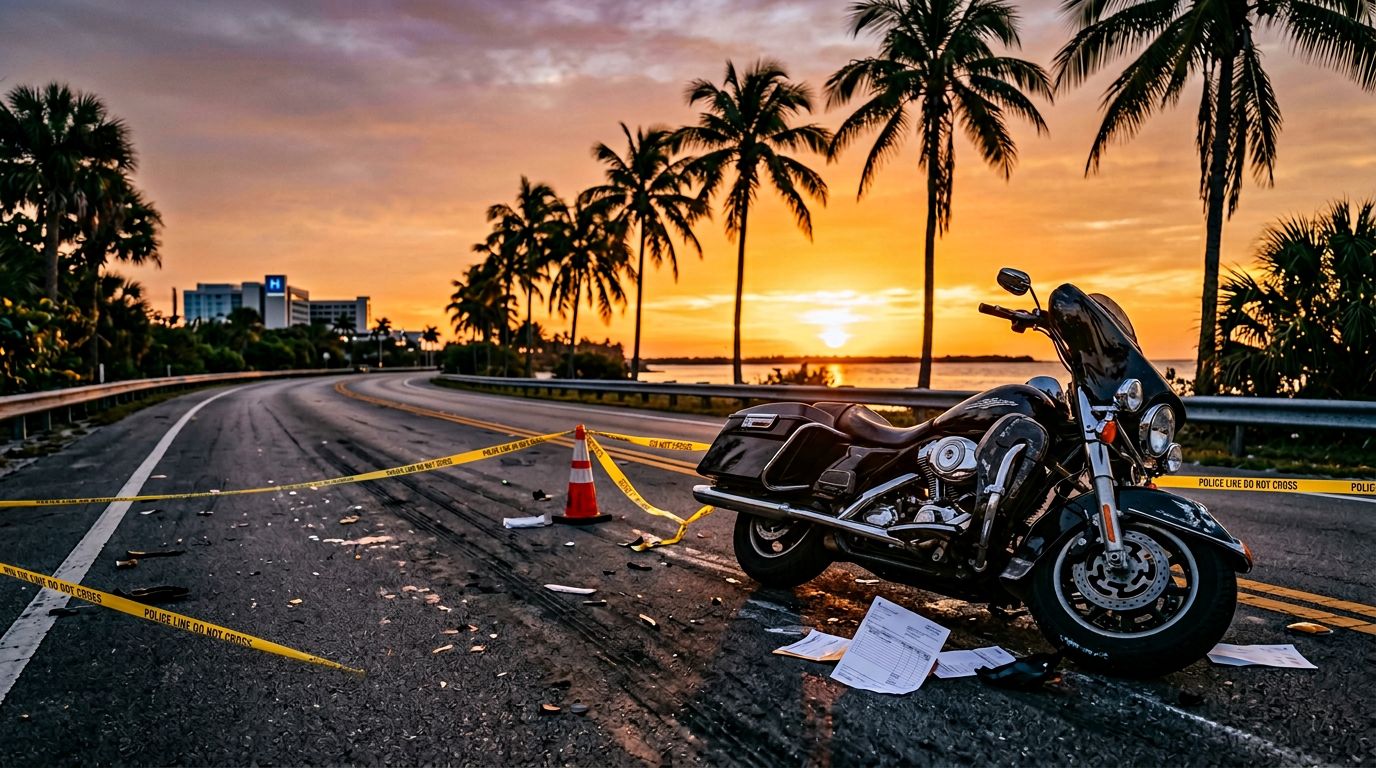
A motorcycle wreck can flip your life in seconds. After the ambulance ride and the ER, the next hit is often the same question: how will I pay for this?
If you’re staring at Florida motorcycle crash medical bills and you don’t have PIP, you’re not alone. In Florida, motorcycles sit outside the no-fault system that many drivers assume covers every crash. That gap changes how treatment gets funded, and it changes how injury claims get built.
Below is a clear breakdown of where payment can come from, what to watch for, and how to protect your options.
Why motorcycles usually don’t have PIP in Florida
Florida’s no-fault rules are tied to motor vehicles, not every type of roadway risk. Many riders find out the hard way that PIP is not automatic for motorcycles. In other words, the “pay first, argue fault later” model that helps car occupants often doesn’t apply when you’re on two wheels.
Florida’s insurance rules can be confusing because riders may also own a car that has PIP. Still, that does not mean the bike crash will be handled like a car crash. For a state overview of insurance requirements, see the Florida insurance requirements page from FLHSMV.
It also helps to understand what Florida’s no-fault law covers and how the state defines key terms. You can read the statutory section commonly cited in PIP discussions at the Florida Senate statute page for 627.730.
Gotcha: Having PIP on your car policy doesn’t automatically mean you have PIP for a motorcycle crash.
Because PIP is usually not the first payer, riders often need a “stack” of solutions at the start. Think of it like keeping the lights on during a storm. You don’t rely on one candle. You use whatever works until power returns.
For a deeper look at injuries and insurance issues that come up in Florida bike wrecks, this guide on Cape Coral motorcycle crash injuries lays out common pressure points insurers use.
The first wave of medical bills: what pays right away
Right after a crash, providers want a payer. If there’s no PIP, payment often comes from some combination of health insurance, MedPay, and liability coverage later. The order matters because early billing mistakes can snowball into collections or treatment delays.
Here are the most common “first pay” options in Florida motorcycle cases.
Health insurance (often the fastest path to treatment)
If you have health insurance, it typically becomes the main way to keep care moving. You may still owe deductibles and co-pays. Also, your health insurer may later seek reimbursement if you recover money from an at-fault driver. That payback process is often called subrogation.
Even so, using health insurance can prevent big gaps in care, and gaps are exactly what insurers like to point at.
MedPay or optional medical benefits on a motorcycle policy
Many riders carry Medical Payments coverage (often called MedPay). MedPay can help with ER bills, imaging, and follow-up visits while the fault claim develops. It usually pays regardless of who caused the crash, up to the purchased limit.
Helmet choice and the $10,000 medical coverage rule
Florida’s helmet rule is tied to medical coverage. Riders 21 and older can ride without a helmet only if they carry at least $10,000 in medical benefits coverage. That requirement can be met through certain coverage types, depending on the policy and circumstances.
This matters for two reasons. First, it can affect whether you had coverage available for your own injuries. Second, insurers may try to use helmet issues to argue about damages.
Here’s a quick comparison of common payers riders use early on:
| Potential payer | What it can cover | Main tradeoff |
|---|---|---|
| Health insurance | Most treatment, subject to plan rules | Deductibles, and reimbursement claims later |
| MedPay | Early bills quickly, regardless of fault | Low limits can run out fast |
| Your own funds or payment plans | Anything a provider accepts | High financial strain, risk of collections |
The practical takeaway is simple: don’t delay care while you wait for the liability claim. Liability cases take time, and medical offices bill on their schedule, not the insurance company’s.
When another driver caused the crash: liability, UM, and the “who pays” timeline
If a car or truck driver caused the wreck, their bodily injury liability insurance may ultimately pay your damages. That includes medical expenses, lost income, and pain and suffering. The problem is timing. Liability insurers rarely pay the full value early, and they often wait until treatment stabilizes.
So how do Florida motorcycle crash medical bills get handled while the claim is pending?
Bodily injury liability insurance (the other driver’s coverage)
If fault is clear and coverage is available, the at-fault driver’s insurer is a primary source of recovery. Still, you may see delays if:
- The insurer disputes fault or claims you share blame.
- The policy limits are too low for serious injuries.
- The adjuster wants a recorded statement before accepting liability.
Florida uses a modified comparative fault system, so insurers often push some blame onto riders. They may point to speed, lane position, visibility, or “came out of nowhere” arguments. Solid documentation and consistent medical care make those tactics harder to sell.
Uninsured or underinsured motorist coverage (UM/UIM)
If the driver has no insurance, not enough insurance, or it’s a hit-and-run, UM/UIM coverage can be the difference between getting paid and getting stuck. UM/UIM usually lives on your own policy, and the fine print matters.
What about passengers on motorcycles?
Passengers have their own injury rights, and their coverage sources can be different from the operator’s. If you were riding as a passenger, or your loved one was, see this breakdown on injured motorcycle passenger claims in Florida.
Medical liens and letters of protection (why settlements feel smaller than expected)
In bigger cases, providers may treat on a lien, meaning they agree to get paid from the settlement later. That can keep care going, but it also reduces what ends up in your pocket.
The same is true when health insurance, Medicare, or Medicaid pays and then asserts reimbursement rights. The end result can surprise people because the settlement has to cover more than just today’s bills.
A settlement isn’t “extra money.” It often has to repay the people who kept your treatment going.
Steps that protect your health and your claim (and help bills get paid)
After a motorcycle crash, it’s easy to focus only on the bike and the bruises. However, the paper trail often decides whether coverage opens up or shuts down.
These steps tend to help in nearly every case:
First, get checked even if you feel “fine.” Adrenaline hides injuries, especially head and internal trauma.
Next, keep appointments and follow the treatment plan. Missed visits give insurers room to argue you healed quickly, or you weren’t really hurt.
Also, gather documents early. Medical records, itemized bills, pharmacy receipts, discharge papers, and wage records all matter. This checklist of evidence needed for Florida injury cases is a solid starting point when you’re overwhelmed.
Finally, be careful with insurer calls. Adjusters may sound friendly, but their job is to limit payouts. If you’re unsure, pause the conversation and get advice before you lock in statements that don’t match the medical reality later.
As you look at the bigger picture, it helps to track legal and policy changes around auto insurance. For context on recent proposals involving PIP in Florida’s broader motor vehicle system, you can review the Florida Senate bill analysis for HB 1181 (PDF). It’s not motorcycle-specific, but it shows how actively these rules get debated.
Conclusion
A Florida motorcycle crash without PIP creates a payment puzzle. Most riders rely on health insurance and MedPay first, then pursue the at-fault driver’s liability coverage, or UM/UIM when the driver can’t pay. Along the way, liens and reimbursement claims can shape what you actually keep.
If you’re facing Florida motorcycle crash medical bills, focus on treatment first, then protect the evidence that connects every diagnosis to the wreck. The strongest claims are the ones built like a clean timeline, with no missing chapters.