
Florida Motorcycle Dooring Crashes: The Proof Injured Riders Need
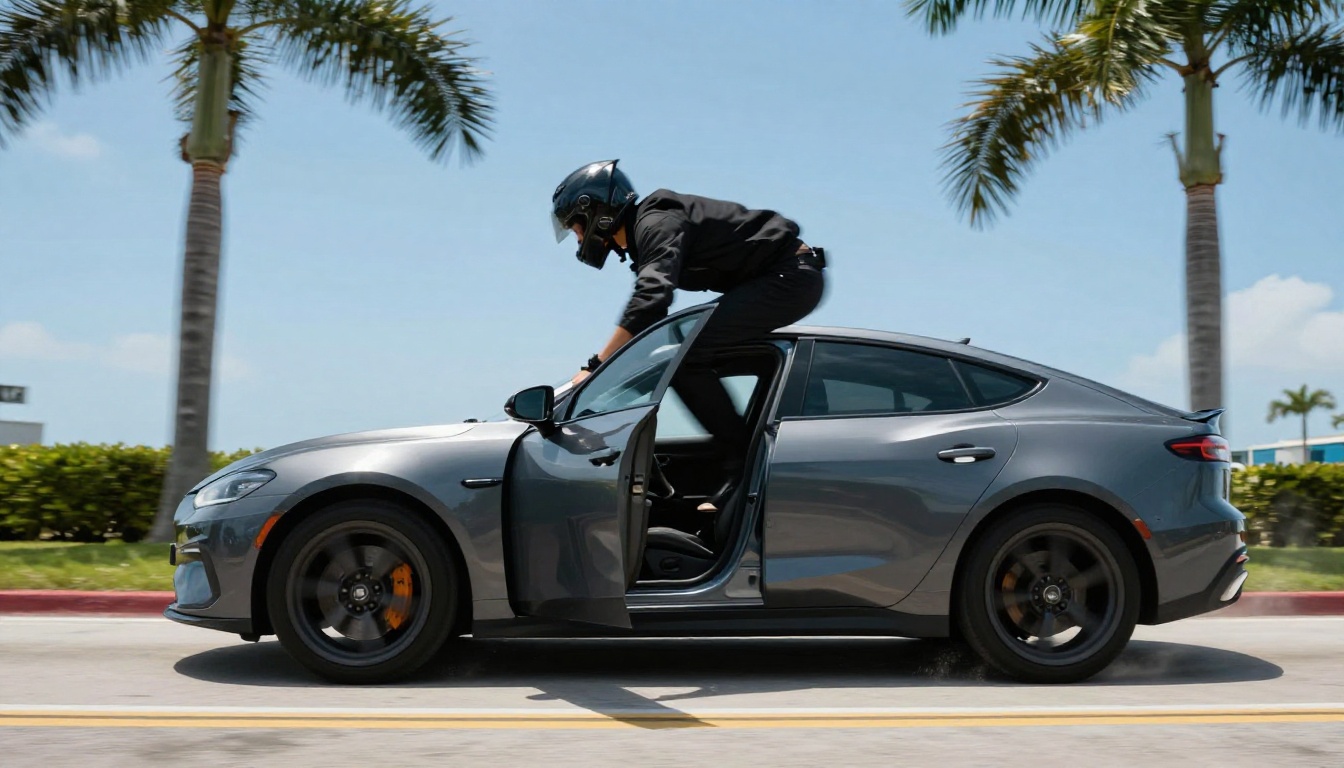
A parked car can turn into a trap in one second. In a Florida motorcycle dooring crash, a rider may have no time to brake, swerve, or stay upright.
That speed is what makes these cases dangerous, and hard to prove. The person who opened the door may say you were going too fast, too close, or came out of nowhere. Because of that, the first proof collected after the crash often shapes the whole claim.
Why Dooring Cases Get Disputed So Fast
Florida law does not let someone open a vehicle door unless it is reasonably safe to do so. On paper, that sounds simple. In real claims, though, the fight often shifts from the door to your riding.
An insurer may argue you were hugging parked cars, changing lanes, or speeding through a tight street. Sometimes they claim the rider never hit the door at all, but lost control alone. That matters because a dooring crash can still happen even if the bike clips the door, lays down, or swerves into another lane.
Statewide crash data shows why careful proof matters. Florida tracks motorcycle crashes in its Traffic Crash Facts annual report, but dooring is not broken out as a stand-alone category. As a result, your own evidence often tells the story better than any database can.
Time also works against riders. Cars get moved. Doors get closed. Witnesses leave for work. Nearby video may be overwritten within days, or hours. If you’re able, follow the first steps after a Cape Coral motorcycle accident right away, because those same early actions help in dooring cases across Florida.
In a dooring claim, the scene changes fast. If the proof disappears, blame gets easier to shift.
The Proof Checklist for a Florida Motorcycle Dooring Claim
A strong claim is like a street map. Each piece of proof marks where the crash started, how it unfolded, and who caused it. Keep this checklist in mind:
- Scene photos before anything moves: Take wide shots and close-ups. Show the open door, the parked car, your bike, road position, skid marks, broken parts, and the traffic lane. If the door stuck out into your path, that image can matter more than a later statement.
- The identity of the person who opened the door: Don’t assume it was the driver. A passenger, rideshare customer, delivery worker, or child may have opened it. Get names, phone numbers, license details, plate number, and insurance information for the vehicle involved.
- Independent witnesses and nearby cameras: A neutral witness can break a blame dispute. Ask nearby businesses, homes, or parking garages about security footage. Also check for dashcams from other drivers. For more on preserving scene evidence, see this guide on evidence for motorcycle claims in Florida.
- The police report and 911 record: Call law enforcement if there’s any injury or property damage. The report may note the door position, location of impact, and statements made at the scene. If the other side changes their story later, the first report can expose it.
- Damage to the bike, gear, and the door: Keep the motorcycle in its post-crash condition until it has been documented well. Save your helmet, jacket, gloves, boots, and any torn clothing. The scrape pattern on a fairing or handlebar can match the door edge and help show how contact happened.
- Medical records that start right away: Dooring crashes often cause wrist fractures, shoulder injuries, knee damage, road rash, and head trauma. Get checked the same day if you can. Early records tie your injuries to the crash and make it harder for an insurer to say they came from something else.
- Your own account while it’s still fresh: As soon as you can, write down what you saw. Note the parked car’s position, whether brake lights were on, how far the door swung open, traffic speed, weather, and lighting. Memory fades faster than most people expect.
- Digital evidence that may vanish: If the car was a rideshare or delivery vehicle, app data may help show who was in the car and when the stop happened. In some cases, phone use by the door opener may also matter. A lawyer can send preservation letters before this data disappears.
Mistakes That Can Shrink or Sink Your Case
Some riders hurt their own claim without knowing it. The most common mistake is letting the scene get cleaned up before the proof is saved. Another is repairing the motorcycle too soon. Once the physical damage changes, a key part of the case may be gone.
Recorded statements can also cause trouble. Insurance adjusters often ask questions that sound harmless. Still, a rough answer about speed, lane position, or visibility can be used against you later. Social media creates the same risk. A single post about “feeling okay” can get pulled into a claim file.
Florida negligence cases also involve fault sharing. If the insurer can pin more than 50 percent of the blame on you, recovery may be barred. Because of that, they may compare your conduct to Florida’s motorcycle operation rules, especially if they claim you passed unsafely or moved between lanes.
Early legal help often makes a real difference here. A lawyer can lock down video, inspect the motorcycle, gather witness statements, and deal with adjusters before the record gets muddy. If your injuries are serious, speaking with Florida motorcycle accident attorneys can help protect the proof while you focus on treatment.
A door opens in a second, but the evidence fades even faster. In Florida motorcycle dooring cases, the rider who acts early usually stands on firmer ground.
Save the scene, get medical care, and don’t let the other side define what happened. If your crash involved an open car door, move fast, because proof is what turns a painful event into a strong claim.