
Florida Negligent Security Claims 2026 Proof Checklist For Assault Cases
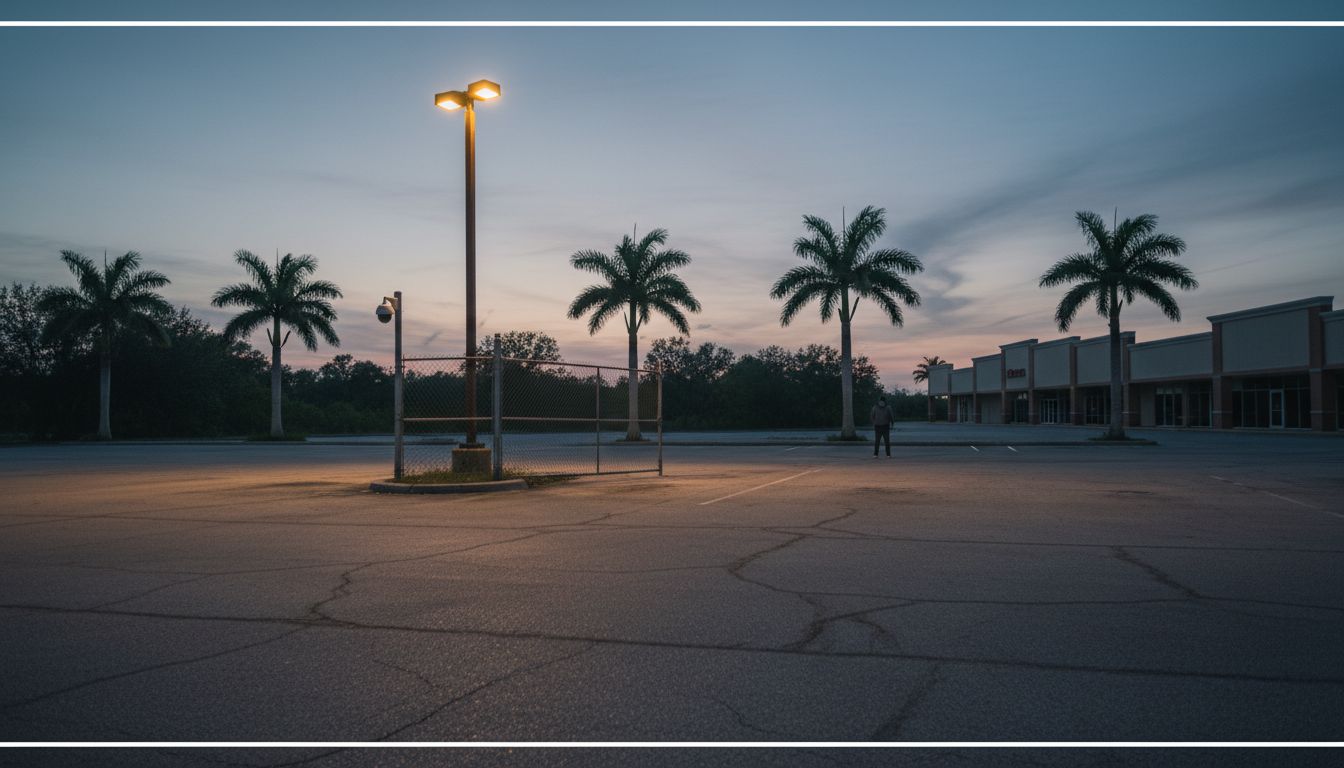
An assault can happen in seconds, yet the warning signs often build for months. A broken gate that never gets fixed, a parking lot light that stays dark, a history of calls to police, or a bar that keeps serving past the point of control.
Florida negligent security cases focus on one core idea: when a property owner knows crime is a real risk, they must take reasonable steps to reduce it. If they don’t, and you’re attacked, the owner may share responsibility for your injuries.
What matters most in 2026 is proof. Evidence fades fast, video gets overwritten, and witnesses disappear. The checklist below explains what you need to show, and what to gather early, if you’re considering a negligent security claim after an assault in Florida.
How Florida negligent security claims work after an assault (2026 basics)
Negligent security is usually a type of premises liability case. The claim is not that the owner committed the assault. The claim is that the owner failed to take reasonable safety steps when violence was predictable.
Most cases still come down to the same building blocks:
- Duty: The property owner owed you a duty of reasonable care because you were lawfully on the property (customer, guest, resident, invited visitor).
- Breach: The owner did not provide reasonable security for the location and risk level.
- Causation: That security failure played a real part in allowing the assault to happen.
- Damages: You suffered measurable harm, like medical bills, lost income, and pain.
Foreseeability is the pressure point. Owners don’t have to prevent every crime, but they can’t ignore a pattern. Prior incidents on the property often matter most, although nearby incidents can also help show risk.
Florida law also includes statutory rules that can affect these cases depending on the setting. For example, some businesses may argue they met certain security measures and should get a presumption in their favor under Florida Statute 768.0701. Multifamily housing claims (like many apartment cases) also face extra hurdles discussed below.
For broader context on negligence rules and fault in Florida, it helps to review Florida’s Chapter 768 negligence statutes.
Evidence that wins Florida negligent security cases: a practical proof checklist
In a strong negligent security case, the evidence tells a simple story: the owner saw the risk (or should’ve), failed to act, and that failure left you exposed.
Gathering proof is easier if you think in four buckets: (1) what happened, (2) what security was missing, (3) what the owner knew, and (4) what the assault cost you.
Here’s a quick way to organize it.
| Proof category | What to request or capture | Why it matters |
|---|---|---|
| Assault documentation | Incident report, police report, 911 call details, EMS run sheet | Anchors date, time, location, and initial injuries |
| Video evidence | Surveillance footage, body-worn camera video (if any), nearby business footage | Shows lighting, visibility, crowding, and how the attacker entered or escaped |
| Scene conditions | Photos of broken locks, open gates, dark lights, missing cameras, no signage | Shows security failures in a way juries understand |
| Foreseeability | Prior police calls, prior incident reports, complaints by tenants or patrons | Supports the argument the owner should’ve expected violence |
| Security practices | Guard schedules, staffing rosters, training materials, maintenance logs | Proves what the owner did, and what they skipped |
| Medical and financial losses | ER records, surgery notes, therapy notes, wage records | Connects the assault to damages and future needs |
If there’s video, time is your enemy. Many systems overwrite footage within days, sometimes sooner.
Also pay attention to medical history. Insurers often claim your pain was “already there.” That doesn’t end your case, but it changes what you must prove. Clear records can show a baseline and then a sharp change after the assault. The same logic used in other injury claims applies here, which is why documentation guidance like proving aggravation of pre-existing conditions in Florida injury cases can be helpful when an insurer tries to shift blame to old records.
Finally, keep your own timeline. Write down when you arrived, what you noticed (or didn’t notice), how long help took, and what staff did. Small details can later explain why better lighting, a working lock, or a present guard would’ve changed the outcome.
2026 gotchas: deadlines, new presumptions, and defenses insurers use
In 2026, timing and legal defenses can decide a case before it starts.
First, the filing window for many negligence lawsuits is shorter than people expect. Florida’s tort reform changed deadlines and fault rules for many injury cases, and those changes can affect how quickly you need to act after a negligent security assault. A plain-English overview is here: Florida tort reform changes to injury settlements.
Second, apartment cases can trigger a special presumption in the owner’s favor under Florida Statute 768.0706. As of February 2026, this statute can affect multifamily residential negligent security claims and can turn the fight into a records battle about prior incidents and what was reported to the property.
Third, expect insurers to argue causation hard. They often say the attacker’s criminal act “broke the chain.” In Florida negligent security cases, that argument can fail when the attack was foreseeable and the missing security is tied to how the attacker got access, stayed hidden, or avoided interruption.
A few common defenses show up again and again:
- “No notice”: They claim there were no prior similar incidents.
- “Reasonable security”: They point to some measures, even if they were poorly maintained.
- Trespass: They argue you weren’t allowed on the property.
- Comparative fault: They claim your choices caused the harm, like staying in a risky area.
One more crossover issue matters for many people: workplace assaults. If you were attacked on the job, you might have a workers’ compensation claim along with, or instead of, a negligent security claim against a property owner or third party. Start with workers’ comp benefits for workplace violence in Florida to understand the difference.
Conclusion
A strong Florida negligent security claim isn’t built on outrage, it’s built on proof. You need evidence that the risk was foreseeable, the security was not reasonable for the location, and that failure helped the assault happen. Act fast to preserve video, document conditions, and lock in medical records before gaps appear. If the property was an apartment complex or a business covered by special statutes, the right paperwork can make or break the case.