
Florida Nightclub Assault Claims and the Proof That Matters
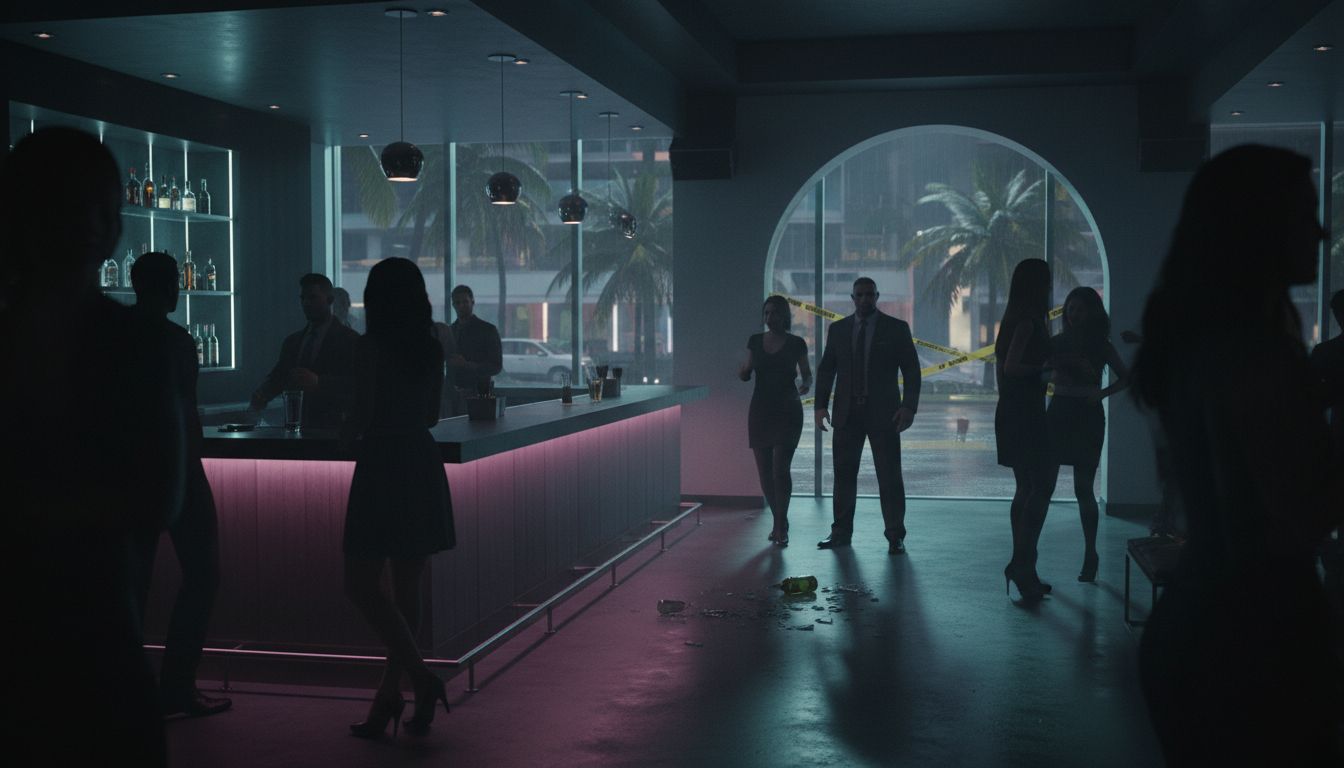
A fun night can end in an ambulance ride. Public reports from spring 2026 described more than 130 arrests in Miami Beach during spring break, many tied to battery and assault near bars and clubs.
If you were hurt, anger alone won’t build a case. Florida nightclub assault claims often turn on proof, and the strongest proof can disappear fast. That makes the first days after the attack far more important than most people realize.
When a nightclub may be liable after an assault
A nightclub isn’t automatically liable because violence happened on its property. In many cases, the attacker is the obvious wrongdoer. Still, the club may also share blame if it failed to take reasonable steps to protect guests.
That usually means a negligent security or premises liability claim. Put simply, you must show the danger was foreseeable and the business didn’t respond the way a careful nightclub should. A club with a history of fights, poor crowd control, weak security staffing, broken cameras, or dark parking areas may face stronger claims than a club hit by a sudden, isolated act.
Florida criminal law also helps frame what happened. For example, unwanted striking or touching falls under Florida’s battery statute. A criminal case, though, is not the same as a civil injury claim. Prosecutors focus on guilt. Your civil case focuses on damages and whether the nightclub’s conduct helped create the danger.
If a bouncer or other employee used too much force, the case can look different. Then the claim may involve direct staff misconduct, poor training, careless hiring, or weak supervision. In those cases, you may not need to prove the club failed to stop another patron. You may need to prove its own employee crossed the line.
The key question isn’t only who threw the punch. It’s whether the club had warning signs and failed to act.
The law doesn’t ask clubs to promise perfect safety. It asks them to act reasonably in a setting where alcohol, crowds, and late-night tension can ignite fast. That point matters because many strong cases are lost when people focus only on the fight itself and ignore the club’s failures before it happened.
The proof that carries the most weight
In Florida nightclub assault claims, not all evidence has equal value. Some proof shows the assault happened. Other proof shows the nightclub should pay for it. You usually need both.
Here’s a quick look at the evidence that often matters most:
| Evidence | Why it matters |
|---|---|
| Surveillance video | Shows the fight, staff response, crowd conditions, and timing |
| Incident reports and 911 records | Helps confirm what was reported and when |
| Witness statements | Can support your version and identify warning signs before the attack |
| Medical records and photos | Connects the event to your injuries and pain |
| Prior complaints or police calls | May show the club knew violence was a recurring problem |
Video is often the strongest piece. It can show whether security ignored rising tension, whether a bouncer escalated the fight, or whether staff stood back too long. Yet many systems overwrite footage quickly. Because of that, a prompt preservation letter can make a real difference.
Witnesses matter too, especially when the club claims the attack came out of nowhere. A bartender, server, door worker, or nearby guest may have seen threats, shoving, or a patron getting more aggressive for several minutes before the assault. That kind of detail helps prove foreseeability.
Medical proof does more than show you got hurt. Timing matters. If you seek care soon after the incident, the records can tie the injuries to the assault and reduce room for the defense to argue something else caused them. Photos of bruises, cuts, torn clothes, and broken personal items also help fill gaps.
Then there’s the proof the public rarely sees, such as staffing schedules, training records, prior incident logs, security contracts, and communication between managers and guards. If the club cut staff on a busy night, ignored past fights, or kept an untrained bouncer on the floor, that can move a case forward.
Phone videos, rideshare receipts, texts, and time-stamped social posts can help as well. Think of the case like a puzzle. One missing piece may not sink it. Still, the clearer the picture, the harder it is for the nightclub to deny what happened.
What can strengthen or weaken your claim
Your own actions after the assault can help your case, or hand the defense room to argue. First, get medical care. Even if the injury seems minor, adrenaline can mask pain. A same-night or next-day visit also creates a record that juries understand.
Next, report the event. Tell management. Call law enforcement when needed. Ask for the incident number. If you can do so safely, get names and contact details for witnesses. Save receipts, rideshare logs, and any messages sent that night. If a friend took photos, get copies before they vanish from a phone.
At the same time, be careful with social media. A smiling photo the next day can be pulled out of context. So can a post made while you were upset or medicated. Keep your discussion private until you get legal advice.
Nightclubs and their insurers often defend these cases in familiar ways. They may say the attack was sudden and impossible to prevent. They may claim you started the fight, ignored warnings, or were too intoxicated to be believed. Florida fault rules can reduce damages and, in some cases, block recovery. That’s why clean proof matters so much.
Delay also hurts. Memories fade. Staff members leave. Video loops over itself. A stained shirt gets washed. Bruises heal. The case may still exist, but the sharpest proof disappears. If the assault happened in a parking lot, near an entrance line, or during ejection by security, quick action becomes even more important because outside footage and third-party witnesses are often lost first.
When people search for a lawyer after an attack, they’re often asking the wrong question. They ask, “Can I sue?” A better question is, “What proof can still be saved today?” That answer often tells you how strong the case may become.
When a night out turns violent, the facts start slipping away almost at once. The strongest claims usually belong to people who get treatment, preserve records, and move fast to lock down video and witness names.
If you believe a nightclub’s poor security or staff conduct played a role, get legal advice early. In these cases, proof isn’t a side issue. It’s the case.