
Florida Medication Overdose Claims: What Records Matter
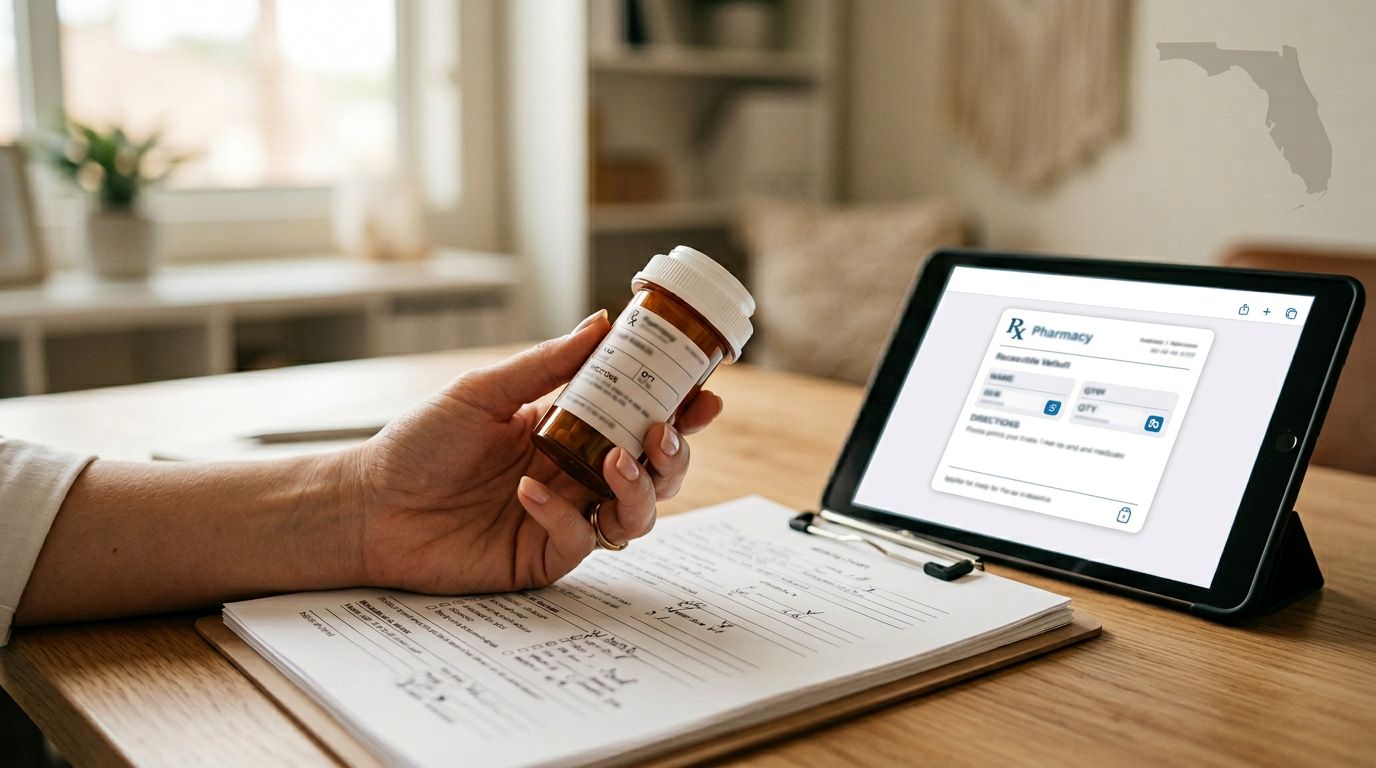
One pill can change a life in an hour. Florida’s latest fatal drug overdose monitoring shows overdose deaths fell in 2024, yet medication harm still sends patients and families looking for answers.
If a doctor ordered the wrong dose, a hospital missed a dangerous interaction, or a pharmacy dispensed the wrong drug, the case will often rise or fall on proof. In many Florida overdose claims, memory fades fast, but the paper trail doesn’t.
That’s why the first days matter so much. The records you save can show what was prescribed, what was given, and how the overdose changed your health.
When a medication overdose may support a Florida claim
Not every overdose leads to a legal claim. Some medicines carry known risks, even when a provider does everything right. A case usually starts when someone made a preventable mistake.
That mistake can take many forms. A doctor may prescribe too much for a patient’s age, weight, or kidney function. A hospital may fail to stop an older drug before adding a new one. A pharmacy may fill the wrong strength or miss a clear interaction warning. Sometimes the discharge sheet tells the patient to keep taking something that should’ve ended.
Medication cases also involve more than one player. A prescriber, nurse, hospital, clinic, or pharmacist may each control part of the process. Because of that, Florida overdose claims often depend on a tight timeline that shows where the breakdown happened.
You also need proof of harm. An ER visit, ICU stay, breathing trouble, brain injury, lost income, added treatment, or death can all matter. Without that link between the error and the injury, the defense will often argue the overdose came from the patient’s underlying condition or from misuse.
For a broader look at how negligence gets proven in patient injury cases, see Avard Law’s Florida medical malpractice basics guide.
Florida also tracks many controlled substance prescriptions through the state’s Prescription Drug Monitoring Program. Those records can become relevant when a case involves overlapping prescriptions, early refills, or multiple prescribers.
The records that carry the most weight
Build your file like a flight recorder. Each record should show what was ordered, what was dispensed, and what happened next.
Here are the records that usually matter most:
| Record | Why it matters | Common source |
|---|---|---|
| Prescription orders and discharge instructions | Shows the intended drug, dose, and start-stop directions | Hospital, clinic, patient portal |
| Bottle labels, boxes, and pharmacy receipts | Shows what was actually dispensed and when | Pharmacy bag, home medicine cabinet |
| EMS and ER records | Shows symptoms, suspected substances, and naloxone use | Ambulance service, emergency room |
| Toxicology and lab results | Helps connect the overdose event to the medication involved | Hospital, medical examiner |
| Portal messages and call logs | Shows warnings, refill requests, and reports of side effects | Portal, email, phone records |
| Bills, wage loss, and follow-up records | Helps prove damages | Insurer, employer, later providers |
Together, these records tell the story from prescription to injury.
Save originals when you can. Keep pill bottles, blister packs, pharmacy leaflets, and even the paper bag. A bottle label often answers the first defense question, what exactly did the patient receive?
Don’t throw out the container. The label, refill date, prescriber name, and dosing instructions may matter as much as the pills inside.
Next, request full medical records, not a short summary. Ask for physician orders, nursing notes, medication administration records, discharge papers, lab work, toxicology, and follow-up notes. If the overdose happened after a hospital stay, Avard Law’s guide to Florida medication error evidence after discharge explains why those handoff records can make or break a case.
Your own notes matter too. Write down when the prescription was filled, when the first dose was taken, when symptoms started, and when you called for help. Save screenshots of portal messages and photos of pills or packaging. If EMS gave naloxone, get that report.
If the overdose was fatal, the family should also request the death certificate, toxicology report, and medical examiner file. In controlled substance cases, lawyers often compare the pharmacy history with Florida’s E-FORCSE monitoring system, which tracks many Schedule II through V prescriptions.
Steps that protect your case before records disappear
Evidence has a shelf life. So does memory. Act early, and keep the process simple.
- Get medical care first, then tell providers exactly what was taken, when, and in what amount.
- Request records before portal messages scroll away or systems update.
- Keep the medication and packaging as-is. Don’t mix pills, rewrite labels, or toss partial bottles.
- Avoid detailed statements to insurers or facilities until you understand what the records show.
Meanwhile, keep your timeline factual. Write down names, dates, times, and what each person told you. If you don’t know something, don’t guess. A plain timeline usually carries more weight than a dramatic story.
Timing matters for another reason. Many overdose cases tied to hospitals or doctors raise medical malpractice deadline issues. Those rules can start running before a family feels ready to act. Avard Law’s overview of the Florida med mal statute of limitations shows why waiting can cost you options.
Also, stay off social media about the event. Posts made in anger often leave gaps, and the other side may use them later. Save your energy for the records instead. In other words, protect your health, protect the timeline, and protect the evidence.
When one pill changes everything, the strongest case often begins with ordinary records. A label, a portal message, an EMS note, and a toxicology report can show how the overdose happened and who may be responsible.
If you suspect negligence, start gathering the file now. Good records don’t erase the harm, but they can turn confusion into a clear claim.