
Florida Pool Deck Slip And Fall Claims Proof Checklist
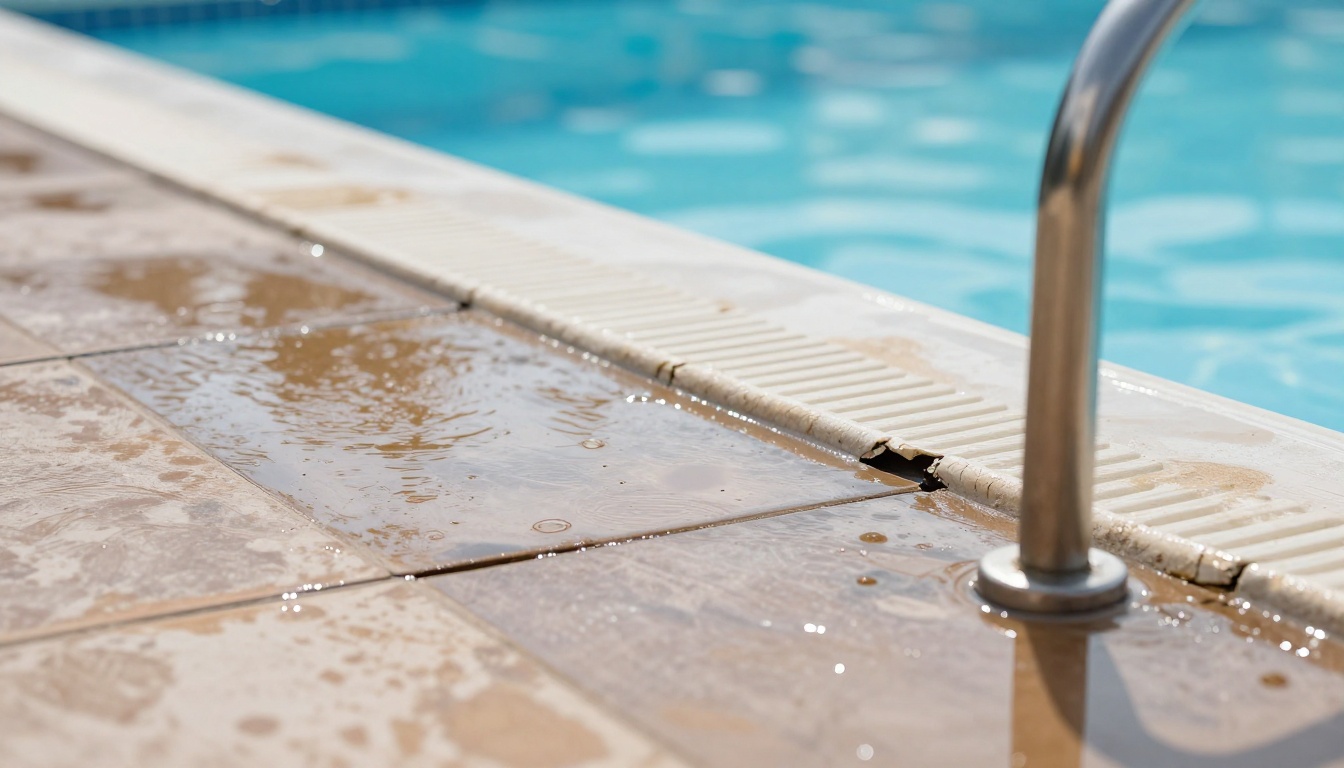
A pool deck can turn slick in seconds. One patch of algae, one worn tile, or one puddle with no warning can send you down hard.
In a Florida pool deck slip fall claim, pain alone won’t carry the case. Proof does. The harder truth is that proof fades fast, so the first hours matter more than most people think.
What a Florida pool deck slip and fall claim must prove
Not every fall leads to a case. First, you need to show a dangerous condition existed. On pool decks, that might be standing water, algae, cracked pavers, poor drainage, broken handrails, or a surface that lost its slip-resistant coating.
Next, you have to show the person or business in control of the property knew, or should have known, about the danger. In business settings, that notice rule often controls the whole case. Florida still applies section 768.0755 to many slip-and-fall claims involving temporary hazards, such as tracked water or spilled drinks near a pool bar.
Actual notice means staff knew about the danger. Constructive notice means the condition lasted long enough, or happened often enough, that reasonable inspections should have caught it. Near pools, recurring puddles by drains, repeated algae growth, or old maintenance complaints can help prove that point.
However, pool deck claims are not always about a temporary spill. Many are about poor upkeep. If the deck stayed slick for weeks, if drainage failed, or if the surface was worn smooth, that pattern can show notice without a witness seeing the exact moment the hazard formed.
Control matters, too. A hotel, condo association, apartment complex, or property manager may be the right defendant, not only the titled owner. At a private home, the homeowner’s insurance may come into play. If you want a plain-language look at that legal duty, this guide to Florida premises liability duty of care explains who may owe safety duties and why.
The duty can shift with the setting. A resort guest is usually treated differently than a social guest at a backyard pool. Still, owners cannot ignore hazards they know about, and they cannot leave common pool areas unsafe for invited visitors.
For residential pools, code issues can matter as well. Florida’s Chapter 515 pool safety rules focus on barriers and safety devices, but violations can still help paint a wider picture of careless maintenance. As of March 2026, the core rules have not changed much. Strong claims still come down to hazard, notice, injury, and losses.
The proof checklist that carries the most weight
Right after a fall, think like a camera, not a narrator. Save what the scene shows before anyone gets time to clean it up.
Here is the proof that usually matters most:
| Proof | Why it matters | Best source |
|---|---|---|
| Scene photos and video | Shows water, algae, worn coating, lighting, drains, and warning signs | Your phone or a witness’s phone |
| Witness names | Helps prove how long the hazard was there | Guests, staff, lifeguards, vendors |
| Incident report | Creates a time-stamped record of the fall | Hotel, HOA, apartment, or homeowner |
| Surveillance footage | May show notice, cleanup delays, or prior near-falls | Security cameras nearby |
| Medical records | Links the fall to the injury | ER, urgent care, doctors, therapy |
| Shoes and clothing | Can preserve water, algae, or surface residue | Keep them unwashed |
The table shows a simple theme: the best evidence ties the hazard to the fall and the fall to your injury.
If the deck gets cleaned before it’s documented, the hardest part of the case may disappear with the mop water.
Start with wide photos, then get close shots. Show the whole pool area, then the exact spot where you slipped. Include the drain, the slope of the deck, nearby chairs, and any missing warning cone. If algae, residue, or worn texture is visible, capture that clearly.
Also, report the fall before you leave if you can. Ask for the manager’s name, the report number, and the company handling claims. This guide on getting a Florida slip fall incident report can help you lock down that paper trail quickly.
Maintenance records can be gold. Cleaning logs, repair tickets, and prior complaints may show the deck had problems before your fall. If a lifeguard, cleaner, or employee says the area “gets slippery all the time,” write that down as soon as you can.
Meanwhile, ask that video be saved. Many systems overwrite footage within days. A written request, sent fast, can matter a lot later. If the fall happened at a condo or apartment pool, identify who controlled the area that day. Was it the HOA, a management company, or a maintenance vendor?
Then turn to your body. Get medical care the same day when possible. Pool deck falls often cause wrist fractures, torn knees, back injuries, and concussions. Adrenaline can hide pain for hours, so a delayed visit gives the insurer room to argue. For the first-day moves that protect a claim, review this Florida slip and fall evidence checklist.
What hurts a claim, and how lawyers build around it
Small mistakes can weaken good cases. Guessing is one of them. If you don’t know how long the deck was wet, don’t estimate. If you aren’t sure whether algae or plain water caused the fall, say that. Clean facts beat confident guesses.
Delayed treatment also causes trouble. So does saying you’re “fine” before the pain sets in. Insurance companies love gaps, loose language, and missing records. Keep every bill, every receipt, and every follow-up note.
Property owners often fight back by blaming the injured person. They may say you were running, ignored posted rules, wore unsafe footwear, or walked where guests should not walk. Florida’s comparative fault law can reduce recovery if you share blame, and in some cases it can bar recovery altogether. Still, a wet pool deck is not a free pass for poor upkeep.
Social media can also undercut a claim. A smiling photo by the pool does not prove you were unhurt, but an insurer may try to use it that way. Keep the story off the internet and in your records.
Money damages need proof, too. Medical bills, lost wages, future care, and pain all matter, but they need records behind them. This overview of Florida slip and fall damages explains the losses that often shape settlement value.
Time is the thread running through everything. For many negligence claims in Florida, the filing deadline is shorter than it used to be. Yet the legal deadline is not the first one that matters. Video may be erased in a week. Witness memory can fade in days. Maintenance logs can get harder to find once the story starts to shift.
That is why lawyers move fast. They send preservation letters, demand records, identify the right defendant, and frame the case around proof instead of outrage. A strong pool deck case is built piece by piece, like dry tiles forming a safe path.
Pool deck falls often look random at first. Usually, they are not. Proof is what turns a painful accident into a claim with real weight.
If your injuries are serious and the evidence is still fresh, speak with Florida slip and fall attorneys before the deck dries, the footage loops, and the paper trail goes cold.