
Florida Premises Liability In 2026 Duty Of Care Basics
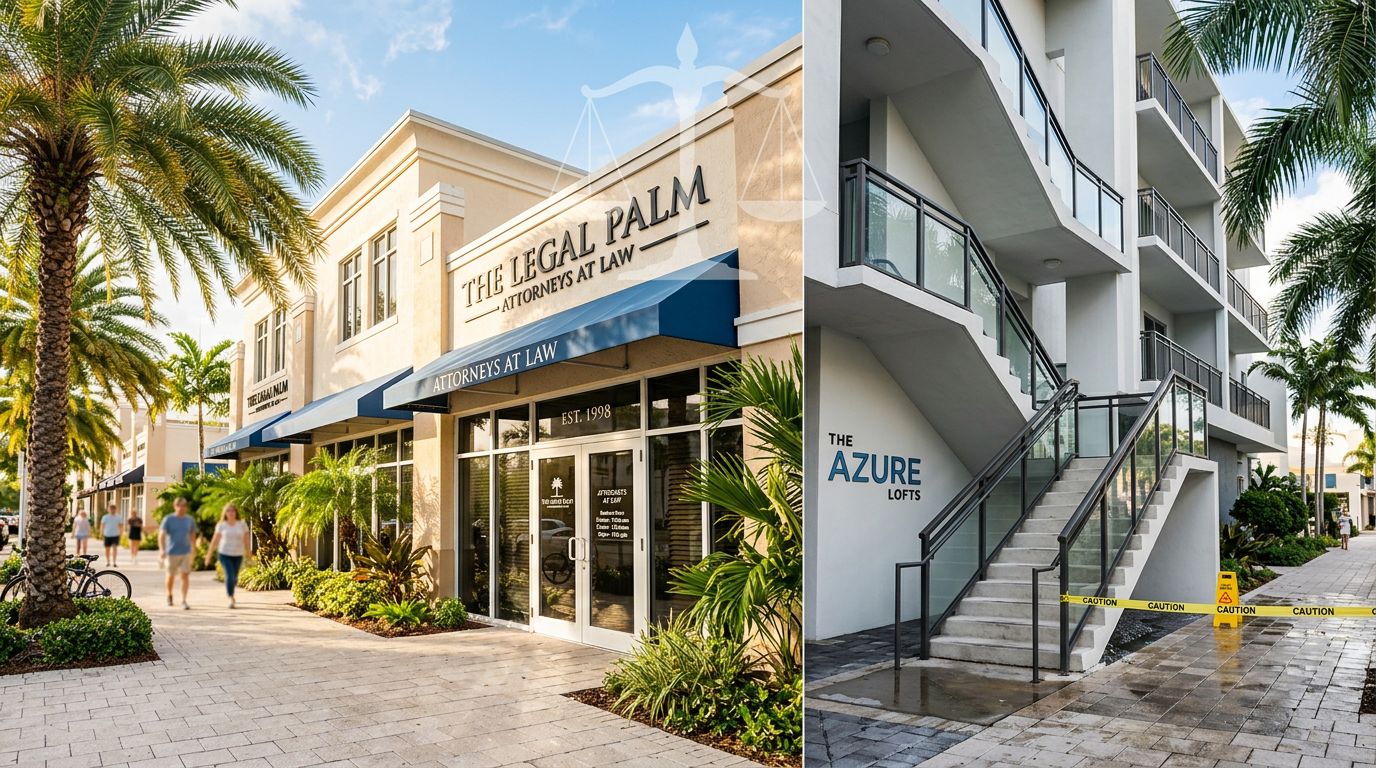
You walk into a store, an apartment stairwell, or a friend’s backyard expecting basic safety. When that trust gets broken, injuries happen fast, and the bills follow even faster. In florida premises liability cases, the legal question is usually simple: did the person in control of the property act with reasonable care?
In 2026, the core duty of care rules are familiar, but the stakes are higher. Deadlines are tighter, fault arguments are tougher, and certain apartment security claims now have an extra wrinkle. This guide breaks down the basics in plain English, so you can spot what matters and protect your claim early.
Duty of care starts with control, not ownership
A common myth is that only the “owner” can be liable. In real life, control matters more than the name on the deed. A landlord, property manager, store tenant, maintenance vendor, or event organizer may owe duties if they controlled the area where you got hurt.
Most florida premises liability claims still track four building blocks:
- Duty: The defendant owed you a duty to use reasonable care.
- Breach: They failed to meet that duty (for example, no warning sign, no repair).
- Causation: That failure caused your injury.
- Damages: You suffered losses like medical bills, wages, or pain.
Reasonable care does not mean “perfect.” It means taking steps a careful property operator would take, given the risk. Think of it like driving. You don’t have to predict every bad outcome, but you do have to pay attention and follow the rules.
Visitor status still affects the duty in Florida
Florida continues to sort visitors into categories, and those categories shape the duty of care. Here’s a quick comparison.
| Visitor type | Typical example | General duty owed |
|---|---|---|
| Invitee | Customer in a store, guest at a hotel | Highest duty, reasonable inspections, fix hazards, or warn |
| Licensee | Social guest at a home | Warn about known dangers, less duty to inspect |
| Trespasser | Person on property without permission | Limited duty, avoid intentional harm, added duties for children in some situations |
Even when categories matter, courts still focus on practical questions: Was the danger foreseeable? Did the defendant have time to fix it? Could a warning have prevented the harm?
If the hazard was predictable and preventable, a “we didn’t mean to” defense usually won’t carry much weight.
Slip and fall duty of care in 2026: notice is the battleground
Slip and fall cases feel straightforward, but they often turn into a fight over one issue: notice. In other words, did the business know, or should it have known, about the hazard?
For many spills and similar conditions, Florida law requires proof of actual or constructive knowledge under Florida Statute 768.0755. Constructive knowledge can be shown in practical ways, such as evidence that:
- The condition existed long enough that staff should’ve found it.
- The condition happened regularly and was therefore foreseeable.
That’s why stores focus on inspection logs, cleaning schedules, and employee statements. It’s also why early evidence helps you. Video can be erased, and witness memories fade.
What “reasonable care” looks like in a slip and fall
Reasonable care changes with the setting. A dim stairwell in an older building raises different risks than a dry aisle in a small boutique. Still, common safety failures show up again and again:
- Wet floors with no cones or signs
- Loose mats at entrances
- Poor lighting in parking lots or hallways
- Broken handrails, uneven steps, or cracked walkways
Sometimes the danger is obvious, but that doesn’t always end the case. Florida law can still allow recovery even if you share some blame, though your compensation may drop.
If you want a plain-language overview of how these injuries happen and what people miss early, see Avard Law’s guide on understanding slip and fall injuries.
Evidence that tends to matter most
A slip and fall claim is like a puzzle. The stronger the edge pieces, the clearer the final picture. Useful proof often includes photos of the hazard, footwear, the exact location, incident reports, witness contacts, and medical records tying the injury to the fall.
Also be careful with quick statements. “I’m fine” can become an exhibit later, even when pain shows up the next day.
Negligent security and apartments: the 2026 update to know
Premises liability is not only about spills and broken steps. It also covers negligent security, when preventable crime causes injury. These cases often involve apartment complexes, hotels, or parking areas with known risks.
Florida created a major legal shield for multifamily housing in recent years, tied to security measures and compliance. The key statute is Florida Statute 768.0706, which can provide a presumption against liability in certain situations.
As of March 2026, a new legislative tweak (HB 1423) adds an important exception discussed widely in the legal and insurance space: if a property had multiple qualifying crimes reported within a defined lookback window, and the owner knew about those reports, the owner may lose that protection. The details can be fact-heavy, so crime history, calls for service, and notice to management can make or break these claims.
Apartment security cases can turn on paper trails, prior incident reports, maintenance requests, and what management knew before the attack.
Deadlines and fault rules shape every 2026 premises case
Even a strong liability story can fail if you miss the clock. For many negligence claims in Florida, the time limit is now shorter than it used to be. The statute of limitations is controlled by Florida Statute 95.11, and delay can cost you the right to recover.
Fault arguments are also more aggressive in 2026. Under Florida’s comparative fault rules, your recovery can shrink based on your share of blame, and in many cases you can be barred if you are more than 50 percent at fault. The framework appears in Florida Statute 768.81.
That’s why early steps matter. If you’re deciding what to do next, avoid common missteps that can hurt credibility later, like gaps in treatment or missing documentation. Avard Law summarizes frequent pitfalls in common errors in personal injury cases. For broader, practical questions, their personal injury FAQs can also help you plan your next move.
Conclusion: the duty of care question is simple, proving it takes work
In florida premises liability claims, duty of care usually comes down to what was foreseeable, what the property controller knew (or should’ve known), and what they did about it. In 2026, security claims involving apartments may have added angles, and shorter deadlines make early action even more important.
If you were injured on someone else’s property, get medical care first, then protect the evidence. A prompt legal review can clarify whether a duty of care was breached, and what your claim may be worth.